
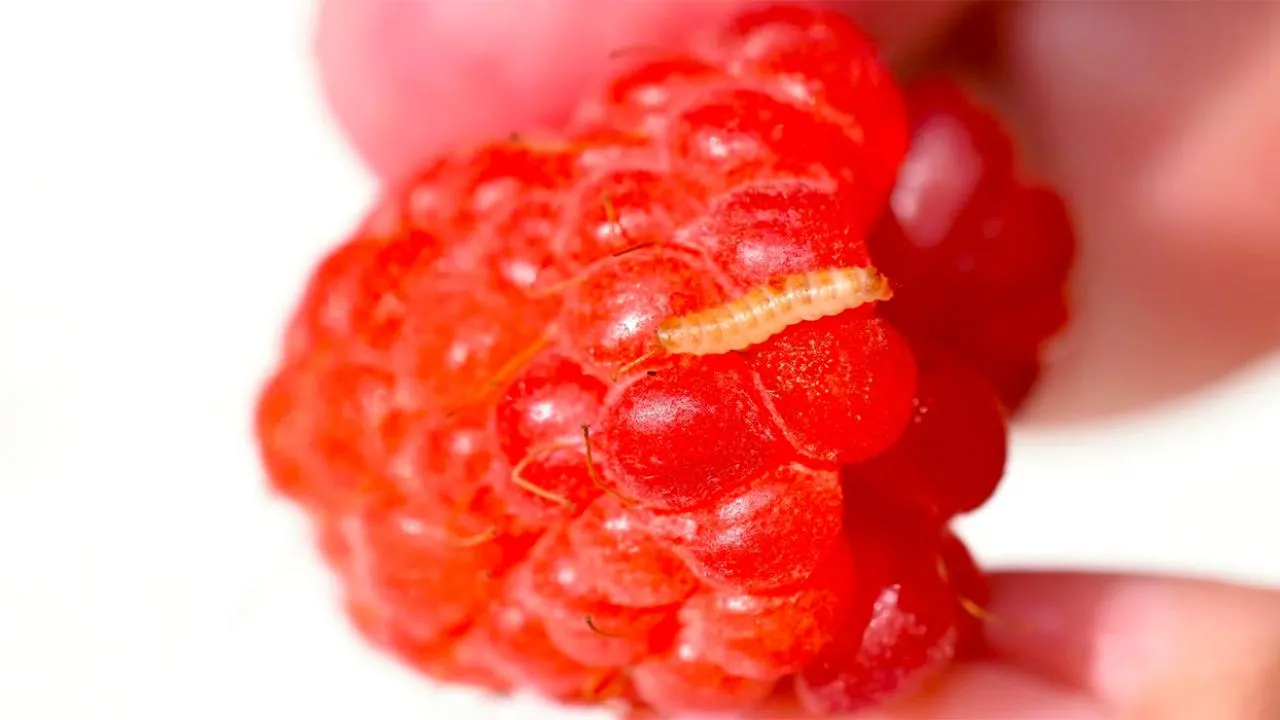
However, many people have recently been surprised after trying a simple cleaning method involving salt water. As fresh raspberries soak in a bowl of salted water, tiny white worm-like creatures may emerge from the fruit, creating a shocking and sometimes unsettling experience.
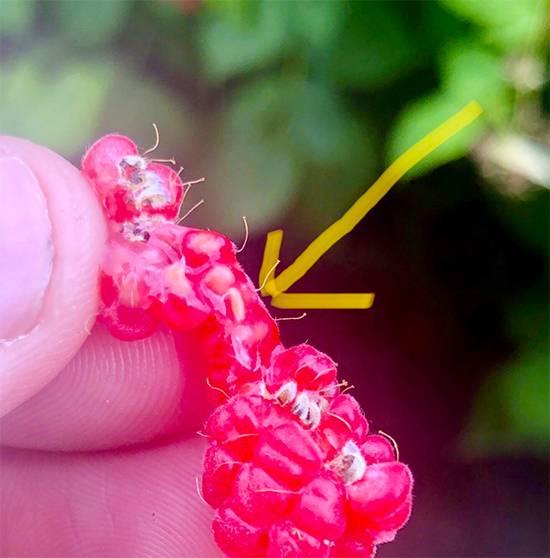
Videos and photos of this phenomenon have spread widely online, causing concern among consumers who wonder whether their berries are safe to eat. While the sight of small larvae leaving the fruit can be unpleasant, experts explain that this is a natural occurrence that can happen in outdoor-grown berries. Understanding why it happens, what these tiny organisms are, and whether they pose a health risk can help consumers make informed decisions about food safety. This article explores the science behind the salt water raspberry test and offers practical advice for handling fresh berries.
What causes tiny white worms to appear in raspberries?
The tiny white worms that sometimes appear during a salt-water soak are typically fruit fly larvae. One of the most common culprits is the spotted wing drosophila, a species of fruit fly known for laying eggs inside ripening fruits.
Unlike many insects that target damaged or overripe produce, spotted wing drosophila females can pierce healthy, ripening fruit and deposit their eggs beneath the skin. Once the eggs hatch, the larvae develop inside the fruit, often remaining unnoticed until the berries are harvested and consumed.
Because raspberries have a soft structure and delicate skin, they provide an ideal environment for these insects. Other berries, including blackberries and blueberries, can also be affected under similar conditions.
How the salt water test works
Many people soak fresh fruit in salt water to remove dirt, debris, pesticide residues, and hidden insects. The process itself does not create larvae or cause an infestation.
Instead, the salt-water solution encourages larvae that are already inside the fruit to exit their hiding places. The change in environment stresses the larvae, causing them to move out of the berries and become visible.
Typically, a bowl of water mixed with a small amount of salt is enough to trigger this reaction. Within several minutes, tiny white thread-like organisms may emerge and float in the water. This visibility often surprises consumers because the larvae were previously hidden inside otherwise normal-looking fruit.
Are raspberries with larvae safe to eat?
Food safety experts generally agree that the presence of small fruit fly larvae does not automatically make raspberries unsafe to eat. In many cases, the berries remain fresh and edible if they are firm, free from mold, and show no signs of spoilage.
Accidental consumption of fruit fly larvae is not uncommon and typically does not pose a significant health risk to healthy individuals. Since fresh produce is grown in natural agricultural environments, occasional insect exposure can occur despite modern farming practices.
However, food safety professionals recommend discarding any berries that show signs of mold, excessive softness, unusual odors, or visible decay. These characteristics indicate spoilage and should not be ignored.
Why raspberries are especially vulnerable
Raspberries are more susceptible to insect activity than many other fruits because of their unique structure. Their delicate surface and clustered shape create small spaces where insects can easily access the fruit.
Outdoor cultivation also increases exposure to insects. Even farms that follow strict pest management practices cannot completely eliminate every insect from agricultural environments. Weather conditions, growing methods, and regional insect populations all influence the likelihood of larvae being present.
Organic raspberries may receive particular attention from consumers concerned about insects. However, both conventional and organic farming operations can experience fruit fly activity because insects are a natural part of the ecosystem.
How to properly wash fresh berries
Proper fruit washing is one of the best ways to improve food safety and reduce contamination risks. Experts recommend rinsing berries gently under cool running water before consumption.
If using a salt-water soak, follow the process with a thorough rinse to remove any remaining salt and dislodged debris. Carefully inspect the fruit and remove berries that appear damaged, overly soft, or moldy.
It is also important to avoid soaking berries for extended periods because excessive moisture can shorten shelf life and accelerate spoilage. Washing berries immediately before eating is often the best approach for maintaining freshness.
Storage tips for maintaining berry freshness
Proper storage plays a major role in preserving the quality of raspberries and other fresh fruits. Refrigeration helps slow the growth of microorganisms and extends freshness.
Store berries in a breathable container and avoid crushing them under heavy items. Excess moisture should be minimized, as damp conditions encourage mold growth. If possible, place a paper towel in the container to absorb extra moisture.
Consumers should also inspect berries regularly and remove any spoiled fruit promptly. A single moldy raspberry can quickly affect neighboring berries, reducing the overall quality of the container.
What this reveals about fresh produce
The discovery of tiny white larvae in raspberries serves as a reminder that fresh produce comes from natural farming environments rather than sterile manufacturing facilities. Fruits and vegetables are exposed to weather, soil, insects, and other elements throughout the growing process.
Modern agriculture employs advanced pest management strategies, improved crop monitoring systems, and innovative farming technologies to reduce contamination risks. However, completely eliminating all insect contact remains extremely difficult.
As consumer demand for organic foods, sustainable agriculture, pesticide-free produce, and healthy eating continues to grow, farmers and researchers are constantly developing better methods to protect crops while maintaining nutritional quality and environmental responsibility.
Why consumers should not panic
Although seeing tiny white worms emerge from raspberries can be unsettling, experts emphasize that this phenomenon is usually a natural result of insect activity in outdoor-grown fruit. The salt-water method simply reveals what may already be present rather than creating a new problem.
Consumers can reduce concerns by purchasing fresh, high-quality produce, inspecting berries carefully, washing them properly, and storing them correctly. Understanding the source of these larvae helps put the issue into perspective and allows shoppers to make informed decisions about their food.
Ultimately, raspberries remain a nutritious and delicious fruit packed with vitamins, antioxidants, and fiber. With proper handling and storage, they can continue to be a healthy part of a balanced diet while reminding us of the natural processes involved in bringing fresh produce from farm to table.






Yorumlar
Kalan Karakter: