
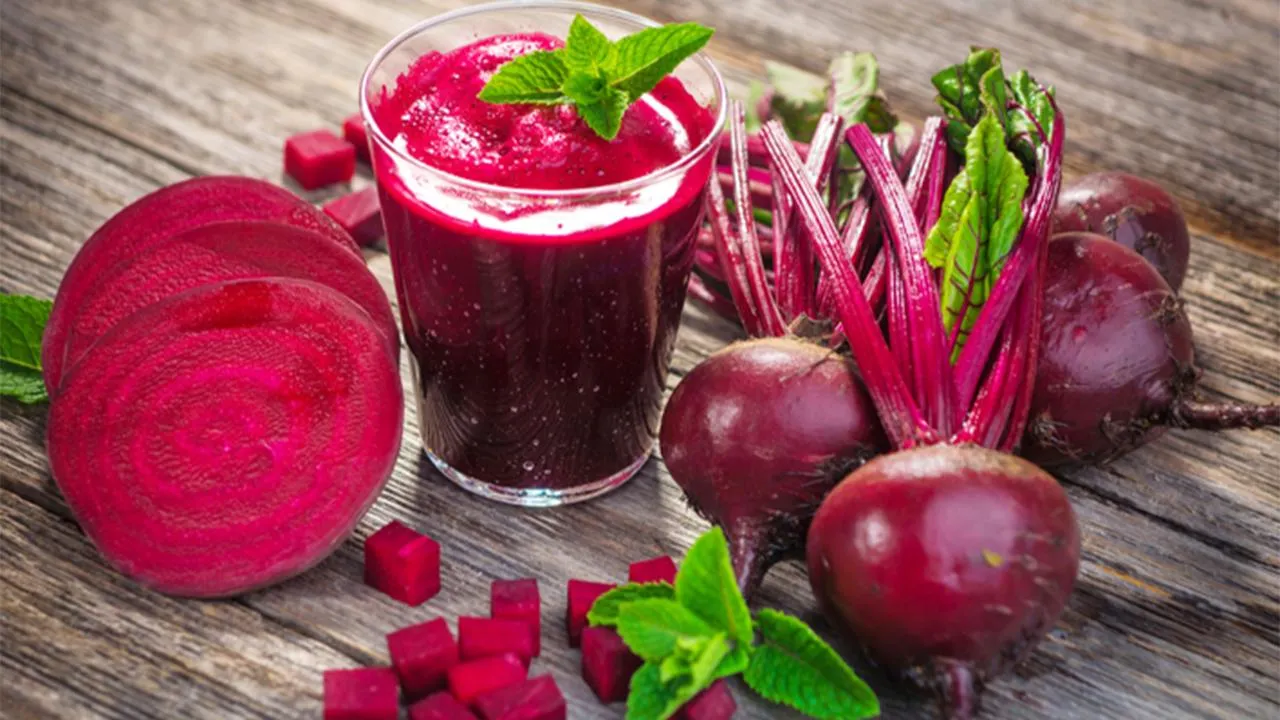
Their vibrant red color, naturally sweet flavor, and impressive nutritional profile make them a valuable addition to a balanced diet. Rich in essential vitamins, minerals, antioxidants, and dietary fiber, beets offer a variety of potential health benefits that extend far beyond basic nutrition. Whether you enjoy them roasted, steamed, pickled, blended into smoothies, or pressed into fresh juice, this versatile root vegetable can easily fit into almost any eating plan. From supporting cardiovascular health and exercise performance to promoting healthy digestion and protecting cells from oxidative stress, beets provide nutrients that benefit the body in multiple ways. In this guide, we'll explore why nutrition experts recommend eating beets regularly, the science behind their health benefits, and simple ways to include them in your daily meals.
What makes beets so nutritious
Beets are packed with vitamins, minerals, and naturally occurring plant compounds that contribute to overall health. Despite being relatively low in calories, they provide a significant amount of nutrition in every serving.
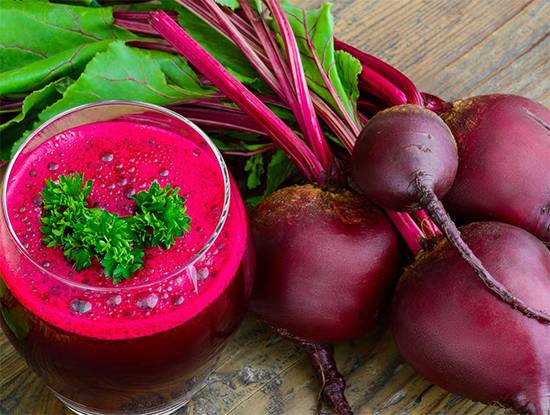
One of the standout nutrients found in beets is folate, also known as vitamin B9. Folate plays a crucial role in DNA production, cell growth, and the formation of healthy red blood cells. It is particularly important during pregnancy because it supports proper fetal development.
Beets are also an excellent source of potassium, a mineral that helps regulate muscle function, nerve signaling, and healthy blood pressure. In addition, they provide manganese, vitamin C, iron, magnesium, and small amounts of several other essential nutrients.
Their combination of vitamins, minerals, fiber, and antioxidants makes beets a highly nutritious vegetable suitable for many healthy eating patterns.
How beets support heart health
One of the most widely studied health benefits of beets is their positive effect on cardiovascular health.
Beets naturally contain dietary nitrates, which the body converts into nitric oxide. Nitric oxide helps relax and widen blood vessels, improving blood flow throughout the body. Better circulation may support healthy blood pressure and improve the delivery of oxygen and nutrients to muscles and organs.
Several studies suggest that consuming nitrate-rich vegetables such as beets may contribute to maintaining healthy blood pressure in some individuals when combined with an overall balanced lifestyle.
Since heart disease remains one of the leading causes of illness worldwide, incorporating nutrient-rich vegetables like beets into a healthy diet is one simple way to support long-term cardiovascular wellness.
Why athletes often choose beet juice
Beets have become especially popular among athletes and fitness enthusiasts because of their potential to improve exercise performance.
The increased production of nitric oxide allows blood vessels to deliver oxygen more efficiently to working muscles. This improved circulation may help muscles perform more effectively during endurance activities.
Research has found that drinking beet juice before exercise may improve stamina, increase exercise efficiency, and reduce fatigue during prolonged physical activity for some individuals.
These benefits are not limited to elite athletes. Recreational exercisers and physically active adults may also experience improvements in endurance and overall workout performance.
Although results vary from person to person, beet juice remains one of the most researched natural foods for supporting physical performance.
How antioxidants in beets protect your cells
The deep red-purple color of beets comes from naturally occurring pigments called betalains.
Betalains are powerful antioxidants that help protect the body's cells from oxidative stress caused by unstable molecules known as free radicals. Oxidative stress has been linked to aging and the development of various chronic health conditions.
Antioxidants work by neutralizing free radicals before they can damage healthy cells. Eating a diet rich in colorful fruits and vegetables, including beets, helps increase antioxidant intake naturally.
In addition to betalains, beets contain vitamin C and other beneficial plant compounds that contribute to the body's overall antioxidant defenses.
How beets improve digestive health
Beets are an excellent source of dietary fiber, making them beneficial for digestive health.
Fiber supports regular bowel movements by adding bulk to stool and helping food move efficiently through the digestive system. A fiber-rich diet may reduce the likelihood of constipation while promoting overall digestive comfort.
The fiber found in beets also nourishes beneficial bacteria living in the gut. A healthy gut microbiome plays an important role in digestion, immune function, and even overall metabolic health.
Unlike refined carbohydrates, fiber helps slow digestion, which may contribute to steadier energy levels after meals and improved feelings of fullness.
Including beets alongside other high-fiber foods can help many people meet their daily fiber requirements more easily.
Easy ways to add beets to your diet
One of the greatest advantages of beets is their versatility in the kitchen.
Roasting beets enhances their natural sweetness and creates a tender texture that pairs well with salads, grain bowls, roasted vegetables, and lean proteins.
Fresh beets can be shredded into salads for added crunch and color, while cooked beets blend smoothly into soups and purees.
Many people enjoy beet juice or add cooked beets to fruit smoothies to increase nutrient intake without dramatically changing flavor.
Pickled beets provide another popular option and can serve as a flavorful side dish or sandwich topping.
Even beet greens should not be overlooked. The leafy tops are edible and contain valuable nutrients similar to spinach or Swiss chard.
Are there any side effects of eating beets?
For most healthy adults, beets are considered a safe and nutritious food. One harmless effect that surprises many people is a condition called beeturia. After eating beets, urine or stool may temporarily appear pink or reddish. While this can be alarming if unexpected, it is generally harmless and disappears naturally.
Beets also contain oxalates, naturally occurring compounds that may contribute to kidney stone formation in susceptible individuals. People with a history of calcium oxalate kidney stones should consult a healthcare professional before substantially increasing their beet consumption.
Because dietary nitrates may support lower blood pressure, individuals who already have naturally low blood pressure or take medications for hypertension should also seek medical advice before consuming large amounts of beet juice on a regular basis.
For most people, moderate consumption of whole beets as part of a balanced diet presents very little risk.
Why nutrition experts recommend eating beets regularly
Nutrition experts encourage eating a wide variety of colorful vegetables because each provides unique nutrients and protective plant compounds.
Beets stand out because they combine several valuable nutritional qualities in one food. They offer heart-friendly nitrates, antioxidant-rich betalains, digestive-supporting fiber, and essential vitamins and minerals, all while remaining affordable and widely available.
Rather than relying on supplements or highly processed health products, many dietitians recommend obtaining nutrients from whole foods whenever possible. Adding beets to weekly meals is an easy way to increase vegetable intake while enjoying a naturally delicious and satisfying food.
Beets are much more than a colorful root vegetable—they are a nutritional powerhouse that supports multiple aspects of health. Rich in dietary nitrates, fiber, antioxidants, folate, potassium, and other essential nutrients, they may promote healthy blood circulation, support cardiovascular wellness, improve digestive health, and enhance exercise performance. Their versatility makes them easy to include in salads, soups, smoothies, roasted dishes, and fresh juices. While certain individuals with kidney stone concerns or low blood pressure should consult a healthcare provider before significantly increasing their intake, most people can safely enjoy beets as part of a balanced diet. By making this vibrant vegetable a regular part of your meals, you can enjoy both its delicious flavor and its impressive range of health benefits.







Yorumlar
Kalan Karakter: