
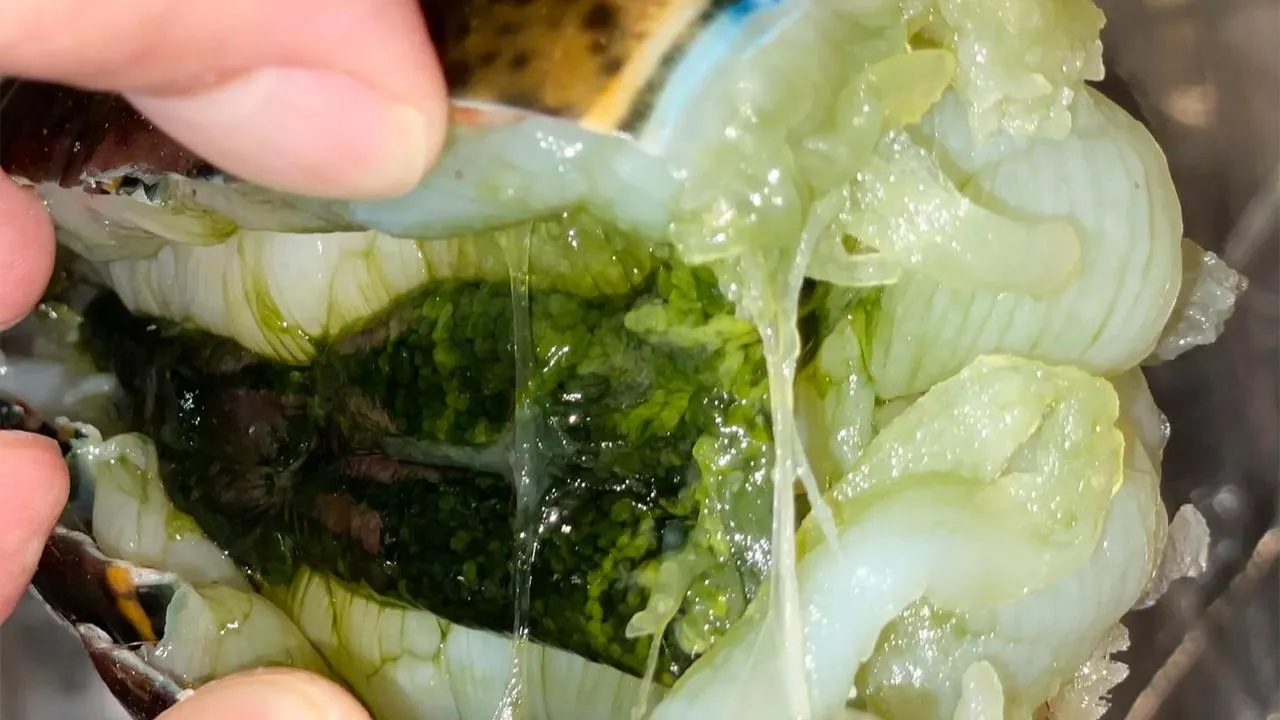
Many first-time lobster eaters mistake it for something unusual or assume it's a sign that the seafood has gone bad. In reality, this green material is known as tomalley, a natural part of the lobster's anatomy that has sparked debate among seafood lovers for decades. Some consider it the most flavorful part of the lobster, while others avoid it because of health concerns. Understanding what lobster tomalley is, how it functions, and what experts say about eating it can help you decide whether it deserves a place on your plate. In this guide, we'll explore the science behind tomalley, its culinary appeal, potential safety concerns, and the best practices for enjoying lobster responsibly.
What lobster tomalley really is
Tomalley is the soft green organ found inside the body cavity of a lobster. It serves as the lobster's digestive gland, performing functions similar to those of the liver and pancreas in humans.
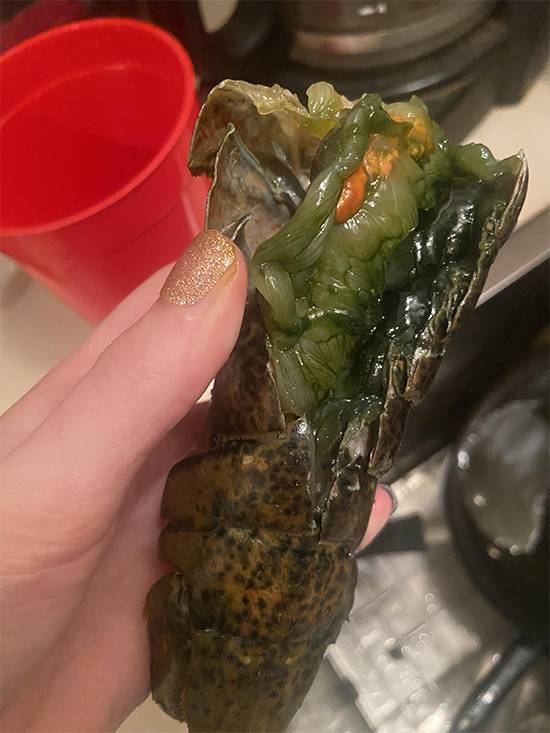
This organ produces digestive enzymes that help break down food while also storing nutrients and processing waste products. Because of its essential role in the lobster's digestive system, tomalley is naturally rich in fats, vitamins, and other compounds that contribute to its distinctive texture and flavor.
The green color comes from natural pigments and the contents of the digestive gland. Depending on the lobster's diet and the season, the color may range from pale green to deep olive.
Finding tomalley inside a cooked lobster is completely normal and does not indicate spoilage or poor quality.
Why many seafood lovers consider it a delicacy
For generations, lobster enthusiasts have prized tomalley for its rich, creamy consistency and concentrated seafood flavor.
Unlike the sweet and delicate taste of lobster meat, tomalley delivers a bold, savory profile with intense ocean notes. Some people describe it as buttery, while others compare it to seafood pâté because of its smooth texture.
Professional chefs sometimes incorporate tomalley into seafood sauces, lobster bisque, compound butter, or pasta dishes to enhance depth of flavor. It may also be spread on toasted bread or mixed into melted butter for dipping lobster meat.
Its unique taste is highly polarizing. Those who appreciate strong seafood flavors often consider it one of the finest parts of the lobster, while others find the richness overwhelming.
How tomalley differs from lobster roe
One common misconception is that the green substance inside a lobster is the same as lobster roe. In reality, they are entirely different. Tomalley is the digestive gland found in both male and female lobsters.
Lobster roe, sometimes called coral, consists of unfertilized eggs found only in female lobsters. Before cooking, the roe appears dark or nearly black. Once cooked, it turns a vibrant red or orange and is considered another seafood delicacy in many cuisines.
Because both tomalley and roe are found in the body cavity, they are often mistaken for one another, especially by people eating lobster for the first time.
Why food safety experts recommend caution
Although tomalley is edible, food safety authorities advise moderation because it can accumulate substances that are present in the lobster's environment.
As the lobster's digestive gland, tomalley filters and processes everything the animal consumes. This means it can contain higher concentrations of certain contaminants than the muscle meat.
Potential contaminants include heavy metals, industrial pollutants, and naturally occurring marine toxins produced during harmful algae blooms. While these substances are generally present in low amounts, they can become concentrated within the digestive gland.
Several health agencies, including organizations in North America, recommend avoiding or limiting tomalley consumption, particularly during periods when shellfish advisories are issued.
These recommendations are precautionary and reflect efforts to minimize long-term exposure to environmental contaminants.
Is lobster meat still safe to eat?
The presence of tomalley does not mean the lobster itself is unsafe.
The white meat found in the claws, tail, and legs remains the primary edible portion and is widely recognized as a nutritious seafood choice.
Lobster meat is naturally high in lean protein while providing essential nutrients such as vitamin B12, selenium, zinc, copper, phosphorus, and omega-3 fatty acids. It is also relatively low in saturated fat compared to many other animal proteins.
When cooked properly and purchased from reputable suppliers, lobster meat continues to be considered safe and healthy for most people.
Removing the tomalley before eating allows diners to enjoy the lobster while avoiding the digestive gland if they prefer.
How to enjoy lobster safely
If you decide to eat tomalley, choosing high-quality seafood is especially important.
Purchase lobster from trusted seafood markets, restaurants, or suppliers that source their shellfish from waters monitored by regulatory agencies. These waters undergo routine testing for harmful algae blooms and environmental contaminants.
Moderation is generally encouraged rather than frequent consumption of large amounts of tomalley.
People who are pregnant, breastfeeding, young children, older adults, or individuals with weakened immune systems may wish to avoid eating tomalley altogether as an added precaution.
Proper refrigeration and thorough cooking are also essential for reducing the risk of foodborne illness from lobster and other shellfish.
Common myths about the green substance inside lobster
Several myths continue to circulate regarding lobster tomalley. One common belief is that the green material is waste or partially digested food. While the digestive gland processes nutrients, tomalley itself is an organ rather than waste material.
Another misconception is that its presence indicates the lobster was not cleaned correctly before cooking. In reality, tomalley naturally remains inside the body unless it is intentionally removed during preparation.
Some people also assume tomalley is always dangerous to eat. While health agencies recommend caution because of possible contaminant accumulation, occasional consumption from reputable sources is not automatically considered hazardous for healthy adults.
Understanding these facts helps consumers make informed decisions instead of relying on misconceptions.
Should you eat lobster tomalley?
Whether or not to eat lobster tomalley ultimately comes down to personal preference and individual risk tolerance.
Many seafood enthusiasts continue to enjoy its distinctive flavor and creamy texture as part of the traditional lobster dining experience. Others choose to remove it simply because they prefer the mild sweetness of lobster meat or wish to avoid any potential exposure to contaminants.
There is no universal rule requiring diners to eat or discard tomalley. The most important factors are purchasing high-quality seafood, staying informed about local shellfish advisories, and understanding what the green substance actually is.
The green substance inside a lobster, known as tomalley, has fascinated seafood lovers for generations. As the lobster's digestive gland, it plays an important biological role and offers a bold, creamy flavor that many consider a culinary delicacy. At the same time, because it can accumulate environmental contaminants and naturally occurring marine toxins, health experts recommend eating it only in moderation or avoiding it altogether, particularly when shellfish advisories are in effect. By understanding both the culinary appeal and the potential health considerations, you can confidently decide whether lobster tomalley belongs on your plate. Whether you savor every part of the lobster or stick to its tender white meat, making an informed choice is the key to enjoying this prized seafood safely.






Yorumlar
Kalan Karakter: