
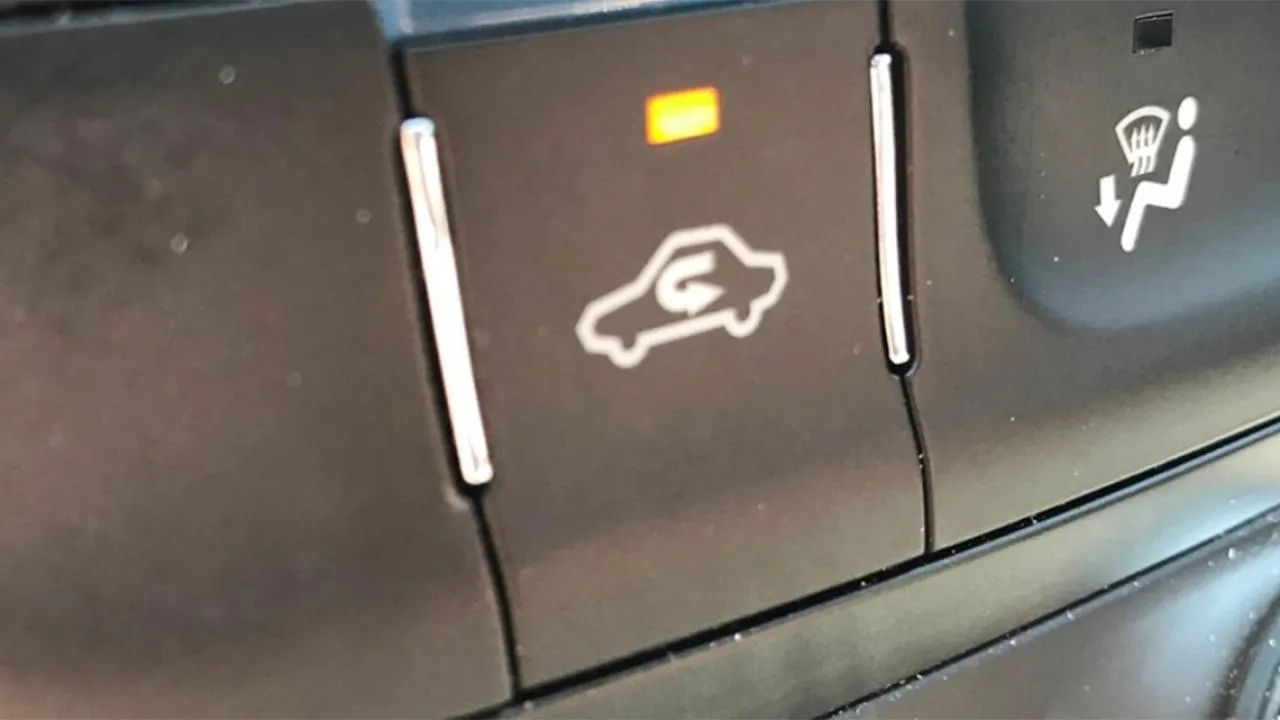
Represented by a car icon with a circular arrow inside, this small control can have a surprisingly large impact on your driving comfort, fuel efficiency, and cabin air quality. Whether you're driving on a scorching summer day, stuck in traffic behind smoky vehicles, or traveling through dusty roads, understanding how the air recirculation system works can help you make smarter decisions behind the wheel. However, using it at the wrong time may also create problems such as fogged-up windows or stale cabin air. In this guide, you'll learn exactly what the air recirculation button does, when it should be activated, when it should remain off, and how to get the most from your vehicle's climate control system throughout the year.
What the air recirculation button actually does
The air recirculation button controls how air enters your vehicle's cabin. When the feature is turned off, the climate control system continuously draws fresh air from outside the vehicle. That air passes through the cabin air filter before being heated or cooled and distributed throughout the interior.
When you activate the air recirculation mode, the system closes an internal vent that normally allows outside air to enter. Instead, it continuously recycles the air already inside the cabin. Since the air has already been cooled or heated, the climate control system can reach and maintain the desired temperature more quickly and efficiently.
Although the function appears simple, it plays an important role in maintaining comfort while reducing the workload placed on your vehicle's heating and air conditioning systems.
Why air recirculation improves cooling performance
One of the biggest advantages of using the air recirculation button is faster cooling during hot weather. On a warm summer day, outside temperatures may exceed the temperature inside your vehicle after the air conditioner has been running for a few minutes.
By recirculating already cooled air instead of constantly cooling hot outdoor air, your air conditioning system operates more efficiently. This allows the cabin to reach a comfortable temperature sooner while placing less strain on the compressor.
Improved efficiency may also slightly reduce fuel consumption in gasoline-powered vehicles because the air conditioning system does not need to work as hard. In electric vehicles, reducing air conditioner workload may help preserve battery range during extremely hot conditions.
When you should use the air recirculation button
Knowing the best situations for using recirculation mode can improve both comfort and cabin air quality.
The feature is especially useful when driving in heavy traffic where surrounding vehicles produce significant exhaust fumes. Instead of allowing polluted outside air to enter, the system keeps cleaner interior air circulating.
It is also beneficial when passing construction zones, wildfire smoke, agricultural areas, or dusty roads where airborne particles are more concentrated.
Drivers who suffer from seasonal allergies may appreciate the reduced amount of pollen entering the cabin when recirculation is activated. Although the cabin air filter still plays the primary role in filtering contaminants, limiting outside air can further reduce exposure to allergens.
Long highway tunnels and areas with strong industrial odors are additional situations where activating recirculation can create a much more pleasant driving environment.
When you should turn it off
Despite its many benefits, air recirculation should not remain activated continuously.
During cold or rainy weather, moisture naturally builds up inside the vehicle from passengers breathing and wet clothing. Because fresh outside air is no longer entering the cabin, humidity levels can increase quickly, leading to fogged windows that reduce visibility.
For this reason, most experts recommend switching back to fresh air mode whenever windshield fogging begins to appear.
On long drives, allowing fresh outside air into the cabin can also help maintain better air circulation. While modern vehicles are not airtight and oxygen depletion is generally not a concern, introducing fresh air can make the cabin feel less stuffy and may help occupants remain more alert during extended trips.
Many newer vehicles automatically switch between fresh air and recirculation depending on cabin conditions, helping optimize both comfort and visibility.
How the cabin air filter affects performance
The effectiveness of your air recirculation system depends heavily on the condition of your cabin air filter.
This filter captures dust, pollen, dirt, mold spores, and other airborne particles before they enter the passenger compartment. Over time, however, the filter becomes clogged with debris, reducing airflow and making the heating and cooling system work harder.
A dirty cabin air filter may also cause unpleasant odors, weaker airflow from the vents, and reduced air conditioning performance.
Most manufacturers recommend replacing the cabin air filter approximately every 12,000 to 15,000 miles, although replacement intervals may vary depending on driving conditions. Drivers who frequently travel on dusty roads or in urban environments may benefit from replacing it even sooner.
Regular maintenance helps keep both fresh air mode and recirculation mode operating at their best.
Common misconceptions about air recirculation
Many drivers believe the air recirculation button should remain on all the time because it improves air conditioning performance. While it does increase cooling efficiency, permanent use is not ideal because it can trap humidity inside the cabin under certain weather conditions.
Another common myth is that recirculation eliminates all outside pollutants. In reality, vehicle cabins are not completely sealed, and small amounts of outside air may still enter through various openings. However, the system significantly reduces the amount of contaminated air entering compared to fresh air mode.
Some people also assume the button should never be used during winter. In fact, short periods of recirculation can help warm the cabin faster, provided humidity is monitored and the windows remain clear.
How to use the air recirculation button for the best results
To maximize comfort, many automotive experts recommend a simple approach.
When entering a hot vehicle, begin by opening the windows briefly to release trapped heat. After closing the windows and starting the air conditioner, activate the air recirculation button to cool the cabin more quickly.
In cool or humid weather, use fresh air mode whenever possible to reduce condensation on the windows. If you notice the windshield beginning to fog, switch off recirculation immediately and direct airflow toward the glass.
Making small adjustments based on weather conditions allows the climate control system to perform efficiently while maintaining excellent visibility and healthy cabin air.
The air recirculation button may be one of the most overlooked controls in your vehicle, but knowing how and when to use it can make every drive more comfortable and efficient. By recycling cooled or heated cabin air, the system reduces strain on your climate control system, blocks unpleasant odors, minimizes exposure to pollution and allergens, and improves overall driving comfort. At the same time, recognizing when to switch back to fresh air helps prevent window fogging and keeps the cabin feeling fresh during longer journeys. Combined with regular cabin air filter maintenance, proper use of the air recirculation system is an easy habit that enhances both comfort and safety every time you get behind the wheel.






Yorumlar
Kalan Karakter: