
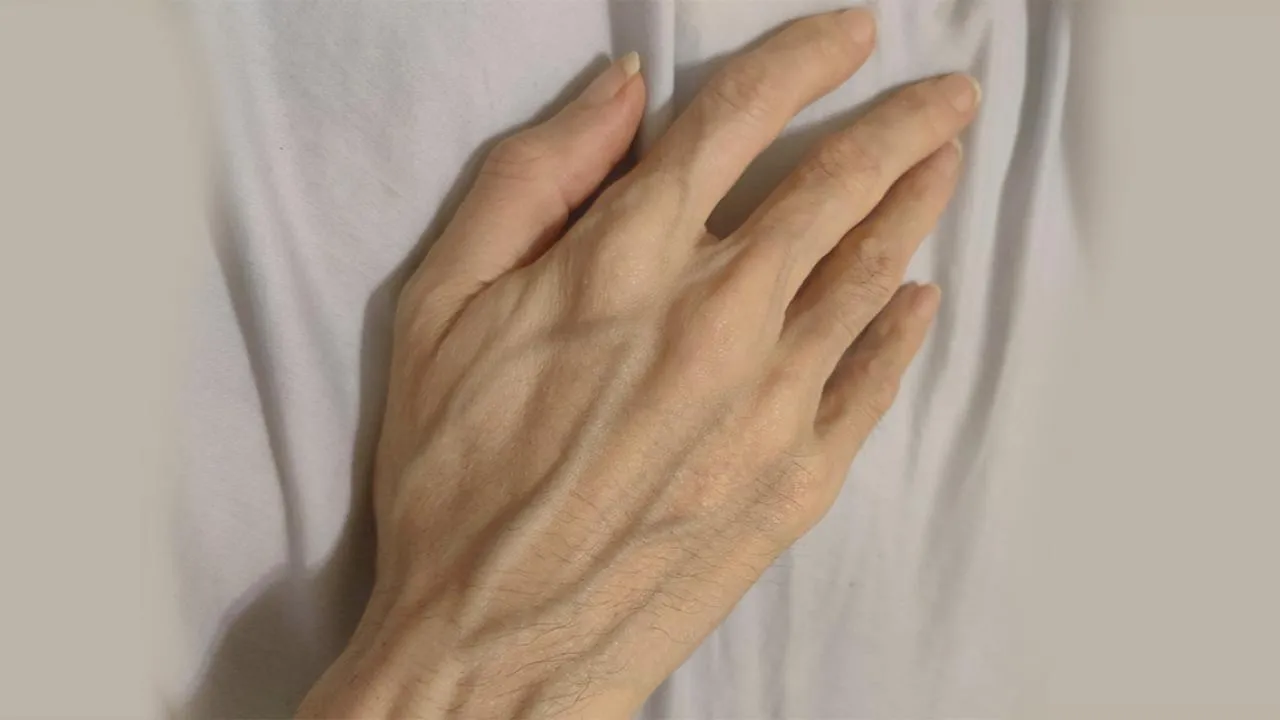
It's understandable to wonder whether these visible veins are simply a natural part of aging or a warning sign of an underlying health problem. The good news is that, in most cases, newly visible veins are harmless and result from perfectly normal changes in your skin, body composition, or circulation. However, there are situations where vein changes deserve prompt medical attention. Understanding the difference can give you peace of mind while helping you recognize symptoms that should never be ignored. This guide explains why veins become more visible, how to evaluate your circulation at home, what warning signs to watch for, and when it's time to speak with a healthcare professional.
Why veins become more visible
Veins are responsible for carrying blood back to the heart after oxygen has been delivered throughout the body. Unlike arteries, veins have thinner walls and contain one-way valves that help prevent blood from flowing backward.
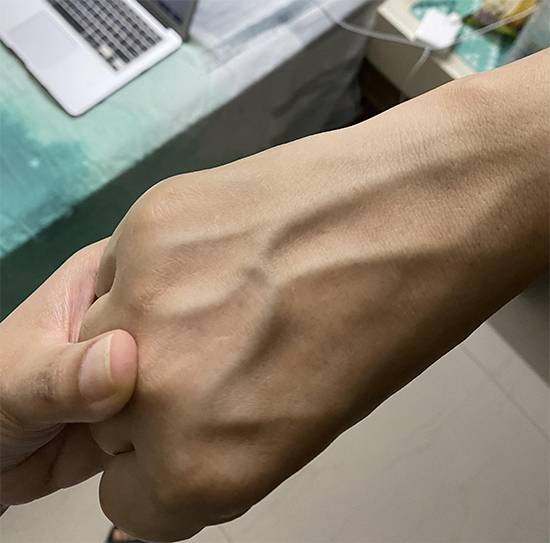
As we age, our skin naturally becomes thinner and loses collagen and elasticity. This makes the veins beneath the skin easier to see, especially on the backs of the hands, forearms, feet, and legs.
Several everyday factors can also make veins appear more prominent, including weight loss, reduced body fat, exercise, warm temperatures, dehydration, and genetics. People with fair or thin skin often notice visible veins sooner than others.
In most healthy adults, increased vein visibility is simply a cosmetic change rather than a medical concern.
Common reasons veins suddenly appear
- Visible veins can seem to appear overnight, but the underlying changes often happen gradually.
- Aging is one of the most common causes. As skin becomes thinner over time, veins that were always present become easier to see.
- Weight loss is another frequent reason. Losing body fat removes some of the tissue that once concealed veins beneath the skin.
- Exercise can temporarily enlarge veins because increased blood flow causes them to expand. Many people notice more visible veins after strength training or vigorous physical activity.
- Hot weather and warm showers can also make veins look larger because heat causes blood vessels to dilate.
Dehydration may contribute by reducing fluid volume, making veins appear more defined in some individuals.
How to check your circulation at home
If you're concerned about newly visible veins, there are two simple circulation checks that may provide reassurance. These are not substitutes for medical evaluation but can offer general information about blood flow.
The first is the fingernail blanch test. Press firmly on the tip of a fingernail until it briefly turns white, then release. In most healthy people, the pink color returns within about two seconds. Delayed color return may suggest reduced blood flow and should be discussed with a healthcare provider, especially if accompanied by other symptoms.
The second is the raise-and-lower arm test. Lift your arm above your head and observe your veins. They should become less visible as blood drains toward the heart. Lower your arm again, and the veins should gradually refill and become more noticeable. This response reflects normal changes in venous blood flow.
These simple observations cannot diagnose vascular disease, but they may help you understand how healthy veins normally respond.
Warning signs that should not be ignored
Although visible veins are usually harmless, certain symptoms may indicate a more serious condition.
A vein that suddenly becomes swollen, hard, painful, or tender deserves medical evaluation. Likewise, redness, warmth, or swelling around a vein may signal inflammation or a blood clot.
Persistent swelling of an entire arm or leg should never be ignored, especially if it develops suddenly.
If you notice unexplained bruising together with new vein changes, it is also worth discussing with your healthcare provider.
Any rapid or unexplained change in your veins accompanied by pain or discomfort should be evaluated promptly rather than monitored at home.
Leg veins that may need medical attention
Visible veins are especially common in the legs because gravity places additional pressure on the veins responsible for returning blood to the heart.
Bulging, twisted veins may indicate varicose veins, which develop when vein valves weaken and allow blood to pool.
Symptoms such as aching, heaviness, cramping, swelling, itching, or skin discoloration around the ankles may suggest chronic venous insufficiency, a condition that benefits from medical evaluation and treatment.
Sudden swelling of one leg, particularly when accompanied by pain, warmth, or redness, could indicate deep vein thrombosis (DVT). Because DVT can lead to a life-threatening pulmonary embolism, it requires urgent medical attention.
What visible veins on the chest or abdomen could mean
Veins on the chest or abdomen are often more noticeable in people with low body fat or after significant weight loss. In many cases, they are completely normal.
However, veins that suddenly become enlarged or appear alongside abdominal swelling, persistent pain, jaundice, or unexplained digestive symptoms should be assessed by a healthcare professional. These findings may occasionally be associated with liver disease or increased pressure within abdominal veins.
While these conditions are far less common than normal age-related vein changes, they should not be ignored when accompanied by other symptoms.
Understanding purple blotches on the arms
Many older adults notice purple patches on the forearms or hands and mistake them for circulation problems.
These patches are often caused by actinic purpura, sometimes called senile purpura. This harmless condition develops because aging skin loses collagen and becomes thinner, allowing tiny blood vessels to break more easily after minor bumps.
Years of sun exposure increase the likelihood of developing these purple bruises.
Although they can look alarming, actinic purpura is generally not dangerous and usually resolves on its own. Protecting the skin from sun damage and keeping it moisturized may reduce future episodes.
How to keep your veins healthy
- Healthy lifestyle habits can support normal circulation and reduce your risk of vein problems.
- Regular physical activity encourages healthy blood flow and strengthens the muscles that help pump blood back toward the heart.
- Maintaining a healthy weight reduces pressure on leg veins, while staying hydrated supports normal blood circulation.
- Avoid standing or sitting in one position for extended periods. Taking short walks and stretching throughout the day encourages healthy venous return.
Protecting your skin from excessive sun exposure may also help preserve collagen and reduce age-related skin thinning that makes veins more noticeable.
Frequently asked questions
Many people wonder whether visible veins are simply a sign of aging. In most cases, the answer is yes. As skin naturally thins and elasticity decreases, veins become easier to see.
Others ask whether dehydration causes visible veins. Mild dehydration may temporarily make veins appear more prominent, although several factors usually contribute.
Spider veins are another common concern. These small, web-like veins are generally harmless and are often treated only for cosmetic reasons unless they cause discomfort.
Finally, many people ask when they should seek medical advice. Pain, redness, warmth, swelling, sudden enlargement of a vein, or significant changes in only one limb should always be evaluated by a healthcare professional.
Visible veins often appear gradually as a normal part of aging, weight changes, exercise, or genetics. In most cases, they are simply more noticeable because the skin has become thinner, not because circulation has become worse. Knowing the difference between harmless vein changes and warning signs such as pain, redness, swelling, or sudden enlargement can help you respond appropriately. If your veins are visible but otherwise painless and unchanged, they are usually nothing to worry about. However, if new vein changes are accompanied by concerning symptoms, seeking prompt medical evaluation is the safest course of action. Paying attention to your body's signals while maintaining healthy lifestyle habits is one of the best ways to support good circulation throughout life.



Yorumlar
Kalan Karakter: