
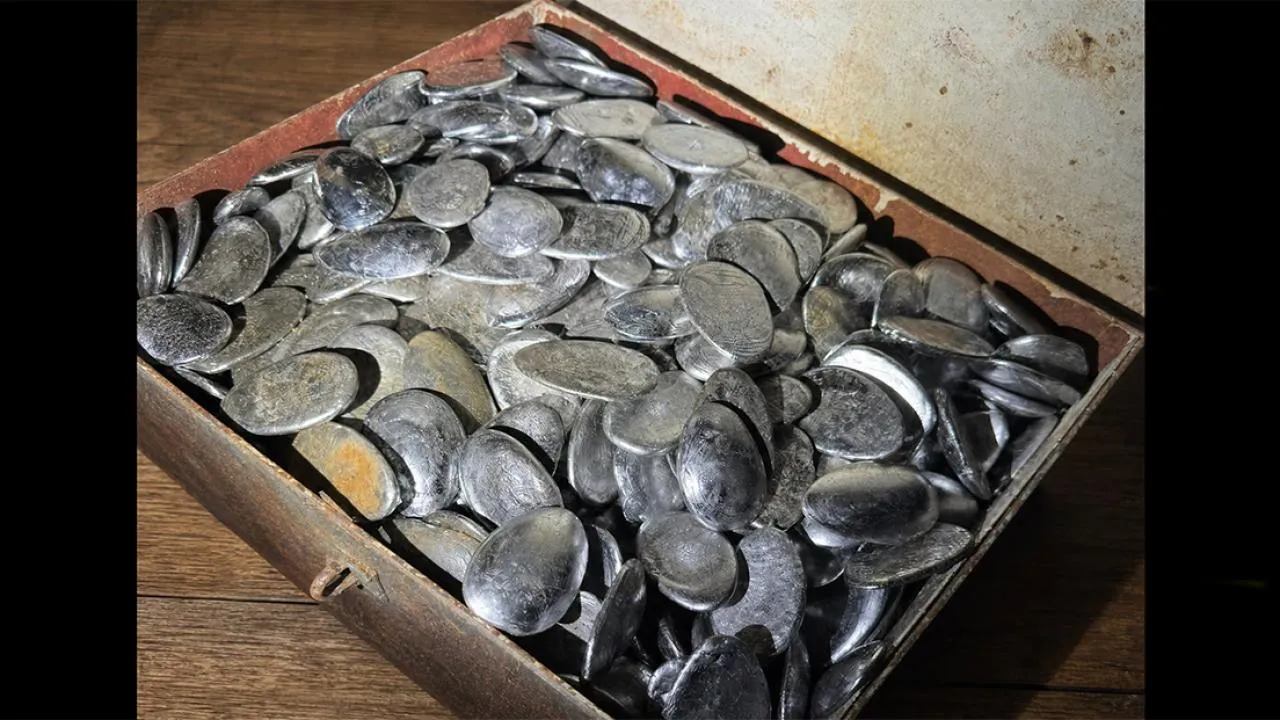
Among these mysterious relics is the cast iron spoon bullet mold, a heavy, unusual-looking tool that many people mistake for an ordinary kitchen utensil. However, its true purpose tells a remarkable story about life before modern manufacturing. Long before factory-made ammunition and mass-produced fishing gear became widely available, families often created essential items with their own hands. The cast iron spoon bullet mold played an important role in this tradition, allowing people to cast bullets and fishing sinkers using melted lead. More than just a practical tool, it represented resourcefulness, craftsmanship, and the ability to provide for one's household. In this article, we'll explore what a cast iron spoon bullet mold is, how it was used, why it was valuable to earlier generations, and why collectors and history enthusiasts continue to appreciate these fascinating artifacts today.
What is a cast iron spoon bullet mold?
A cast iron spoon bullet mold is a historic tool designed to assist in casting lead into bullets or fishing sinkers. Despite resembling a sturdy metal spoon, it served a much more specialized purpose than cooking.
Typically made from durable cast iron, the spoon was capable of holding molten lead safely while it was transferred into a mold. Because cast iron withstands extremely high temperatures, it became the ideal material for this type of work.
Many surviving examples date back to the 18th and 19th centuries, particularly in rural areas where families depended on homemade tools and supplies for everyday life.
Why households used bullet molds
Today, ammunition is manufactured under highly controlled industrial processes and purchased ready-made. In earlier centuries, however, producing bullets at home was often a practical necessity.
Families living on farms, in frontier settlements, or in remote communities frequently relied on hunting to provide food. Firearms were also important for protecting livestock and property. Since purchasing factory-made ammunition was often expensive or simply impossible due to distance, many households cast their own bullets.
A cast iron spoon bullet mold made this task much easier by allowing users to transfer molten lead safely and accurately into reusable molds that produced consistent projectiles.
The same equipment could also be used to make fishing sinkers, an essential item for families who depended on rivers and lakes for food.
How the bullet-making process worked
Casting bullets required patience, skill, and attention to safety. The process generally began by collecting scrap lead from available sources. Common materials included damaged lead pipes, old fishing weights, roofing materials, or other discarded lead objects.
Once collected, the lead was heated until it became liquid. The cast iron spoon held the molten metal securely while the user carefully poured it into a bullet mold.
After the lead cooled and hardened, the mold was opened to reveal the finished bullet or sinker. Any excess metal was trimmed away before the item was ready for use.
Although the process appears simple, achieving consistent results required experience and careful temperature control.
Why cast iron was the preferred material
Cast iron offered several advantages that made it ideal for bullet-casting tools.
Its excellent heat resistance allowed it to withstand repeated exposure to molten lead without warping or cracking. The material also retained heat effectively, helping maintain a stable pouring temperature during the casting process.
Additionally, cast iron was durable and relatively affordable. A well-made spoon or mold could last for decades and often became a valued household tool passed from one generation to the next.
Many antique cast iron bullet molds discovered today remain in remarkably good condition despite being over a century old.
How bullet casting became a family tradition
In many households, bullet casting was more than a practical chore. It became an opportunity to pass valuable knowledge from older generations to younger family members.
Children often observed parents or grandparents preparing the fire, melting lead, and carefully filling the molds. As they grew older, they gradually learned each step of the process under close supervision.
These experiences taught more than technical skills. They encouraged patience, responsibility, precision, and respect for potentially dangerous materials.
Working together also strengthened family bonds, as each person contributed to maintaining the household's self-sufficiency.
Why self-sufficiency mattered in earlier generations
Before modern supply chains and retail stores became commonplace, families were expected to produce or repair many of the items they needed.
In addition to making bullets and fishing sinkers, people commonly repaired tools, forged hardware, preserved food, sewed clothing, and built furniture themselves. This culture of self-reliance was especially important in isolated communities where outside supplies were limited.
Every household tool had practical value, and nothing was wasted. Broken materials were often recycled into something useful, reflecting a mindset centered on conservation and ingenuity. The cast iron spoon bullet mold perfectly illustrates this resourceful way of life.
Why collectors value cast iron bullet molds today
Although these tools are no longer everyday necessities, they have become highly desirable among antique collectors, blacksmiths, historical reenactors, and museums.
Collectors appreciate them because they represent an important chapter in early American history and craftsmanship. Many antique bullet molds feature distinctive hand-forged designs that reflect the skill of local blacksmiths.
Their value depends on factors such as:
- Age
- Condition
- Manufacturer
- Historical significance
- Rarity
- Original craftsmanship
Some examples have become prized collectibles, particularly those with documented historical origins.
How traditional metal casting is making a comeback
In recent years, there has been renewed interest in traditional crafts and historical skills. Many hobbyists now explore blacksmithing, metal casting, woodworking, and other heritage trades as a way to reconnect with the past.
Educational workshops, living history museums, and historical reenactments often demonstrate traditional casting techniques, allowing visitors to better understand how everyday tools were once produced.
Modern enthusiasts typically use safer materials and follow contemporary safety standards, but the appreciation for historic craftsmanship remains strong.
For many participants, learning these techniques offers a deeper understanding of history while preserving valuable artisanal knowledge for future generations.
What the cast iron spoon bullet mold represents today
Today, the cast iron spoon bullet mold serves as much more than an old piece of iron. It symbolizes an era when practical skills, careful craftsmanship, and resourcefulness were essential parts of daily life.
Rather than viewing these objects solely as tools for producing ammunition, historians often recognize them as examples of household innovation. They remind us that previous generations relied on creativity, patience, and hard work to solve everyday challenges.
Whether displayed in museums, preserved in private collections, or passed down as family heirlooms, these artifacts continue to tell stories about resilience and the importance of self-sufficiency.
The cast iron spoon bullet mold offers a fascinating glimpse into a time when families depended on their own skills to create many of the essentials they needed. Used primarily for casting bullets and fishing sinkers, this simple yet effective tool reflects the ingenuity and craftsmanship that defined everyday life before industrial manufacturing became widespread. Beyond its practical function, it also represents traditions of learning, family cooperation, and resourcefulness that shaped generations of skilled artisans and homemakers. Today, antique collectors and history enthusiasts value these remarkable tools not only for their craftsmanship but also for the stories they preserve. As interest in traditional skills continues to grow, the cast iron spoon bullet mold remains a lasting reminder of an era when knowledge, patience, and self-reliance were among a family's greatest assets.





Yorumlar
Kalan Karakter: