
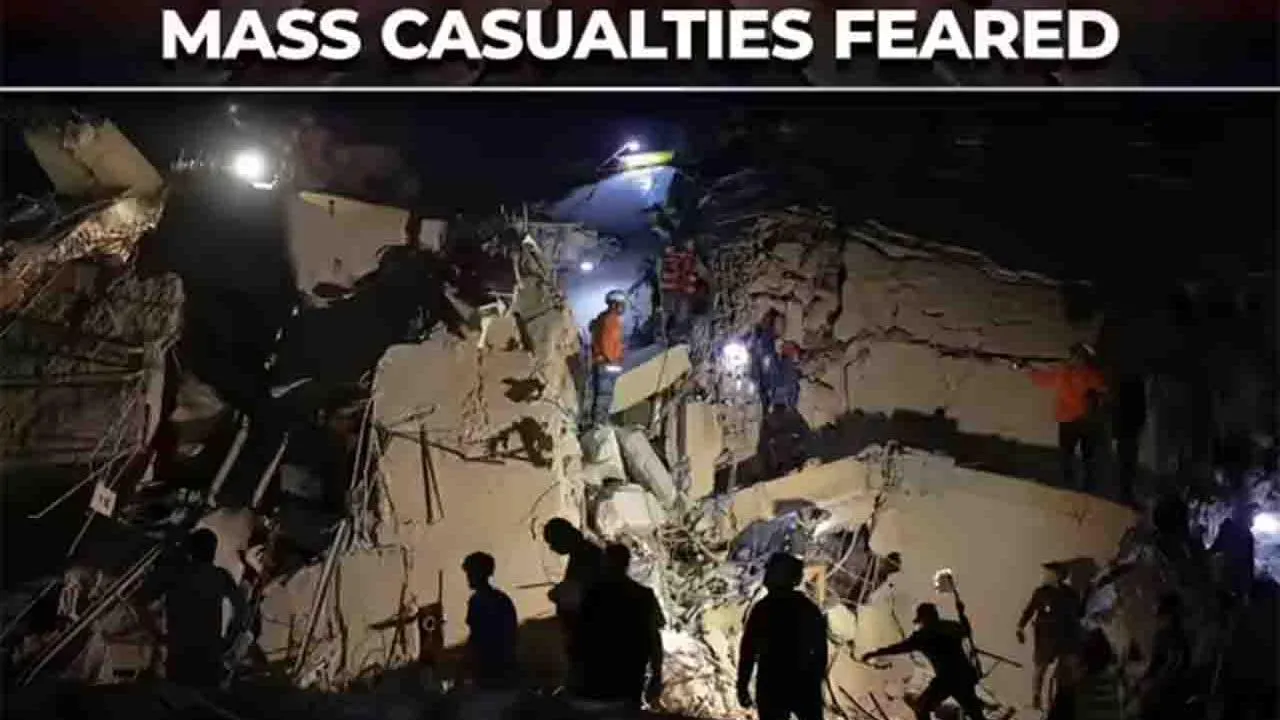
The magnitude 7.2 and 7.5 earthquakes caused widespread panic, damaged buildings, disrupted transportation, and prompted emergency response efforts across multiple states. The tremors were strong enough to be felt far beyond Venezuela’s borders, reaching parts of Brazil and Colombia.
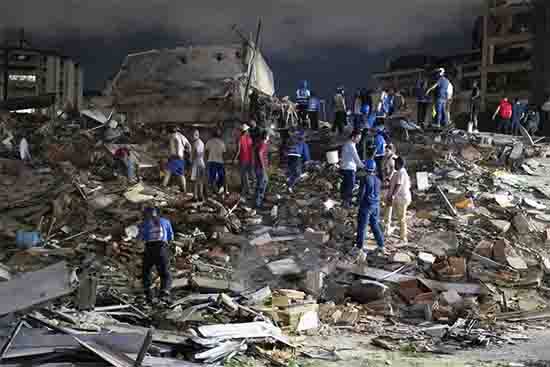
The twin earthquakes not only triggered evacuations and rescue operations but also forced the closure of Simón Bolívar International Airport, one of the country's most important transportation hubs. With dozens of injuries reported and several people trapped beneath damaged structures, authorities quickly mobilized emergency services while warning residents about potential aftershocks. The event has once again highlighted Venezuela's vulnerability to powerful seismic activity and the importance of disaster preparedness in tectonically active regions.
Venezuela struck by rare twin earthquakes
The earthquakes occurred on Wednesday evening off Venezuela’s Caribbean coastline. According to seismic monitoring agencies, the first earthquake measured magnitude 7.2 and struck at a depth of approximately 22 kilometers. Less than a minute later, a stronger magnitude 7.5 earthquake followed, originating at a shallower depth of around 10 kilometers.
The epicenters were located near Morón, west of Caracas, making the capital one of the most affected urban areas. The close timing and significant magnitudes of the earthquakes classify the event as a rare earthquake doublet, a phenomenon in which two major seismic events occur in rapid succession.
Such events are uncommon and often produce stronger cumulative effects because buildings and infrastructure weakened by the first quake can suffer additional damage during the second.
Damage reported across multiple states
Authorities reported damage in several Venezuelan states following the earthquakes. Buildings suffered structural failures, walls collapsed, and roads became blocked by debris and fallen utility poles.
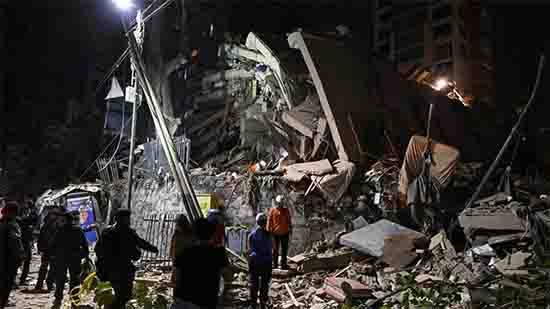
In Caracas, residents witnessed parts of buildings crumble, exposing interiors to the street. Dust clouds rose from damaged neighborhoods as emergency crews assessed the situation. Power outages and disruptions to mobile communication networks added to the challenges facing residents and rescue teams.
Government officials indicated that a comprehensive assessment of the damage was still underway. While initial reports confirmed injuries and infrastructure damage, authorities continued collecting information from affected regions to determine the full extent of the disaster. The widespread impact demonstrates how powerful earthquakes can affect urban centers even when the epicenter is located offshore.
Airport closure disrupts transportation
One of the most significant consequences of the earthquakes was the closure of Simón Bolívar International Airport. Authorities determined that the facility had sustained enough damage to require a temporary shutdown while inspections and safety assessments were conducted.
The airport serves as Venezuela’s primary international gateway, making its closure a major disruption for travelers and cargo operations. Flights were suspended as engineers evaluated runways, terminals, and critical infrastructure.
In addition to airport disruptions, transportation networks in affected areas experienced delays due to damaged roads, debris, and emergency response activities. Officials urged citizens to avoid unnecessary travel and allow rescue teams unrestricted access to impacted zones.
Rescue operations continue for trapped residents
Emergency response teams were deployed rapidly after reports emerged of people trapped beneath collapsed structures. In Falcon state, authorities confirmed that multiple individuals required hospitalization, while rescue crews continued searching for those still missing or trapped.
Search-and-rescue operations focused on damaged residential buildings and areas where structural collapses had been reported. Specialized teams worked carefully to locate survivors while minimizing the risk of further collapse.
Government officials encouraged medical personnel nationwide to report to hospitals and assist with emergency care efforts. Hospitals prepared for potential increases in patients as rescue operations continued and aftershocks remained possible.
The situation highlighted the critical role of coordinated emergency response systems during major natural disasters.
Residents describe moments of fear and uncertainty
Many Venezuelans described the earthquakes as among the strongest tremors they had ever experienced. Residents reported feeling buildings sway violently from side to side, forcing them to flee into the streets for safety.
Families gathered in open areas, parks, and sidewalks as authorities advised people to remain outside damaged structures until safety inspections could be completed. The loss of electricity and mobile phone service in some locations heightened anxiety, particularly among families attempting to contact loved ones.
The psychological impact of major earthquakes often extends beyond the immediate physical damage. Fear of aftershocks can keep residents outdoors for hours or even days following a significant seismic event. Community solidarity became evident as neighbors assisted one another and shared information while awaiting official updates.
Tsunami alerts issued across the Caribbean
Because the earthquakes occurred near the Caribbean coast and involved significant magnitudes, tsunami monitoring agencies quickly evaluated potential risks.
Precautionary alerts were issued for several Caribbean territories, including the Virgin Islands and parts of the Dominican Republic. Emergency management agencies monitored sea-level changes and seismic data to determine whether dangerous waves could develop.
Some alerts were later revised or lifted as additional information became available. Authorities emphasized that early warnings are essential for protecting coastal populations, even when the tsunami threat ultimately proves limited.
The rapid issuance of alerts demonstrates the importance of modern tsunami monitoring systems in reducing potential risks following major offshore earthquakes.
Regional impact felt beyond Venezuela
The effects of the earthquakes extended far beyond Venezuela's borders. Strong shaking was reported in parts of northern South America, including regions of Brazil and Colombia.
In Brazil’s Amazon region, several buildings were evacuated as residents felt the tremors. Reports also indicated that people in Colombia’s Caribbean and northeastern areas experienced noticeable shaking.
Despite the widespread reach of the seismic waves, neighboring countries reported no significant damage or injuries. Nevertheless, the event underscored how large earthquakes can affect vast geographic areas, particularly when they occur at relatively shallow depths.
The widespread perception of the tremors attracted international attention and prompted messages of support from leaders and organizations across the region.
Understanding why Venezuela is vulnerable to earthquakes
Although major earthquakes are less frequent in Venezuela than in some other parts of the world, the country sits near several active fault systems associated with the interaction of the Caribbean Plate and the South American Plate.
These tectonic plates are constantly moving, creating stress along fault lines beneath the Earth's surface. When accumulated stress is suddenly released, powerful earthquakes can occur.
The twin earthquakes serve as a reminder that Venezuela remains exposed to seismic hazards despite experiencing relatively long periods between major events. Continuous monitoring, resilient infrastructure, and effective emergency planning remain essential for reducing future risks.
The twin earthquakes that struck off Venezuela’s coast represent one of the most significant natural disasters to affect the country in recent years. The magnitude 7.2 and 7.5 tremors damaged buildings, closed the nation’s main airport, triggered tsunami alerts, and left rescue teams searching for trapped residents.
As authorities continue assessing damage and monitoring aftershocks, the event highlights both the destructive power of earthquakes and the importance of preparedness. With communities across Venezuela working together during this challenging period, the focus remains on rescue efforts, recovery, and ensuring public safety in the days ahead.








Yorumlar
Kalan Karakter: