
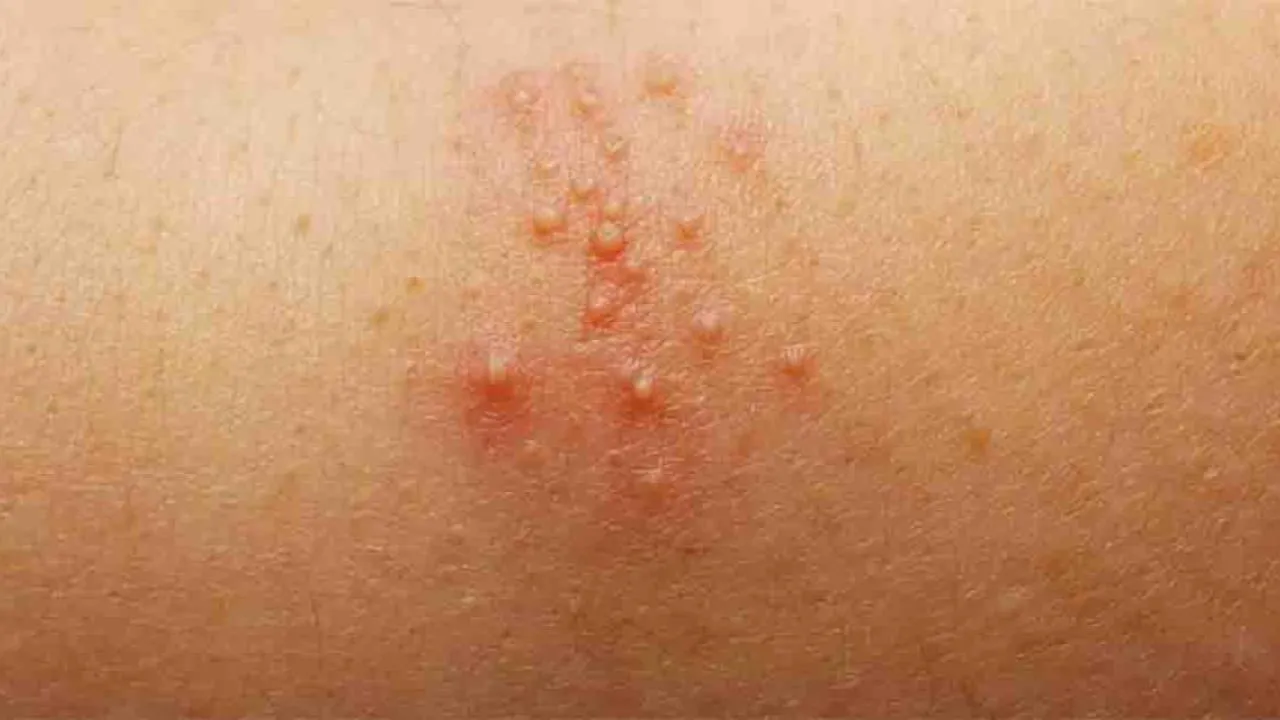
Because this part of the body is naturally warm and exposed to constant friction, it can easily become irritated. One of the most frequent causes of discomfort is the development of ingrown hairs. These small but troublesome bumps often appear after shaving or other hair removal methods and can cause redness, itching, and tenderness. Although they are usually harmless, ingrown hairs may sometimes become infected or leave behind dark spots and scars if not managed properly.
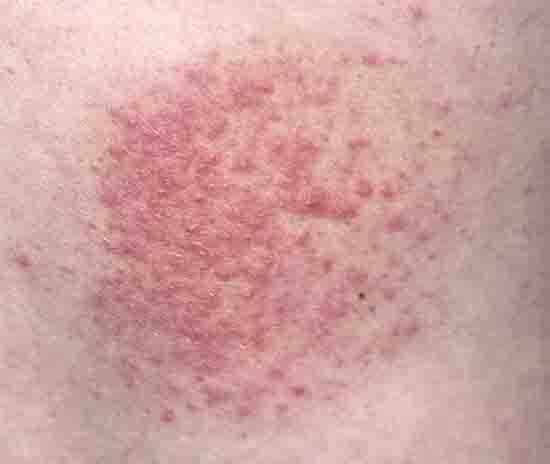
Understanding why ingrown hairs occur and how to prevent them is essential for maintaining healthy skin. People with coarse or curly hair are especially susceptible, but anyone can develop this condition. Factors such as tight clothing, improper shaving techniques, and repeated friction can increase the risk. Knowing the warning signs and practicing proper skin care can help reduce irritation and prevent recurring problems. This guide explains the causes, symptoms, prevention methods, and treatment options for ingrown hairs in the groin area.
What are ingrown hairs in the groin area?
Ingrown hairs occur when hair curls back or grows sideways beneath the surface of the skin instead of emerging normally. This process triggers inflammation, resulting in small bumps that often resemble pimples. The groin area is especially vulnerable because it experiences moisture, sweat, and frequent contact with clothing.
Ingrown hairs commonly develop after shaving, waxing, or plucking. These hair removal methods can leave sharp hair tips that easily penetrate nearby skin tissue as they regrow. Although the condition is usually mild, persistent irritation may lead to discomfort and skin discoloration.
What causes groin irritation from ingrown hairs?
Several factors contribute to ingrown hairs and irritation in the groin region. Frequent shaving is one of the leading causes. Using dull razors or shaving too closely increases the chance of hairs becoming trapped beneath the skin.
Hair texture also plays a major role. Individuals with thick, coarse, or curly hair are more likely to experience ingrown hairs because their hair naturally bends as it grows. Tight underwear, leggings, and athletic clothing can create friction that pushes growing hairs back into the skin. Sweat and moisture may further aggravate the area and increase inflammation.
What are the common symptoms of ingrown hairs?
The symptoms of ingrown hairs can range from mild irritation to more noticeable discomfort. Small red or flesh-colored bumps are among the most recognizable signs. These bumps may itch, burn, or feel tender when touched.
Other common symptoms include:
- Redness around the affected area
- Swelling and inflammation
- Pain or sensitivity
- Pus-filled bumps when infection develops
- Darkened skin after healing
- Scarring in severe or recurring cases
Sometimes the trapped hair can be seen beneath the skin. Repeated irritation or picking at the bumps can worsen inflammation and increase the risk of infection.
How can you prevent ingrown hairs?
Preventing ingrown hairs starts with adopting proper grooming habits. Shaving in the direction of hair growth rather than against it reduces the risk of hairs becoming trapped beneath the skin. Using a clean, sharp razor and avoiding repeated passes over the same area can also help.
- Additional prevention tips include:
- Exfoliating gently to remove dead skin cells
- Avoiding shaving too closely
- Wearing loose, breathable fabrics
- Keeping the skin clean and dry
- Applying fragrance-free moisturizers to reduce irritation
- Allowing hair to grow naturally between shaving sessions
People who frequently experience ingrown hairs may benefit from alternative hair removal methods that are less likely to irritate the skin.
How are ingrown hairs treated?
Most ingrown hairs improve on their own with simple home care. Avoiding shaving for several days allows the trapped hair to emerge naturally. Warm compresses can soothe irritation and soften the skin, making it easier for the hair to surface.
Mild exfoliation may help remove dead skin cells that block the hair. Over-the-counter creams containing salicylic acid or glycolic acid can reduce inflammation and promote healthy skin renewal. It is important to avoid squeezing or picking at the bumps, as this may cause infection and scarring.
When bacterial infection develops, a healthcare provider may prescribe topical or oral antibiotics. Severe or recurring cases may require additional treatment options.
When should you seek medical attention?
Although ingrown hairs are generally harmless, some situations require professional evaluation. Persistent redness, increasing pain, swelling, or the presence of significant pus may indicate an infection. Fever or spreading redness should also be taken seriously.
People who experience recurring ingrown hairs despite preventive measures may benefit from consulting a dermatologist. A medical professional can recommend specialized treatments and identify any underlying skin conditions contributing to chronic irritation.
Why proper skin care matters
Maintaining healthy skin in the groin area plays an important role in preventing irritation and promoting comfort. Simple measures such as proper shaving techniques, wearing breathable clothing, and practicing good hygiene can significantly reduce the risk of ingrown hairs.
While ingrown hairs are common and usually harmless, recognizing the symptoms early and taking preventive steps can help avoid infection, scarring, and ongoing discomfort. By understanding the causes and caring for the skin properly, individuals can keep the groin area healthier and minimize irritation over the long term.





Yorumlar
Kalan Karakter: