
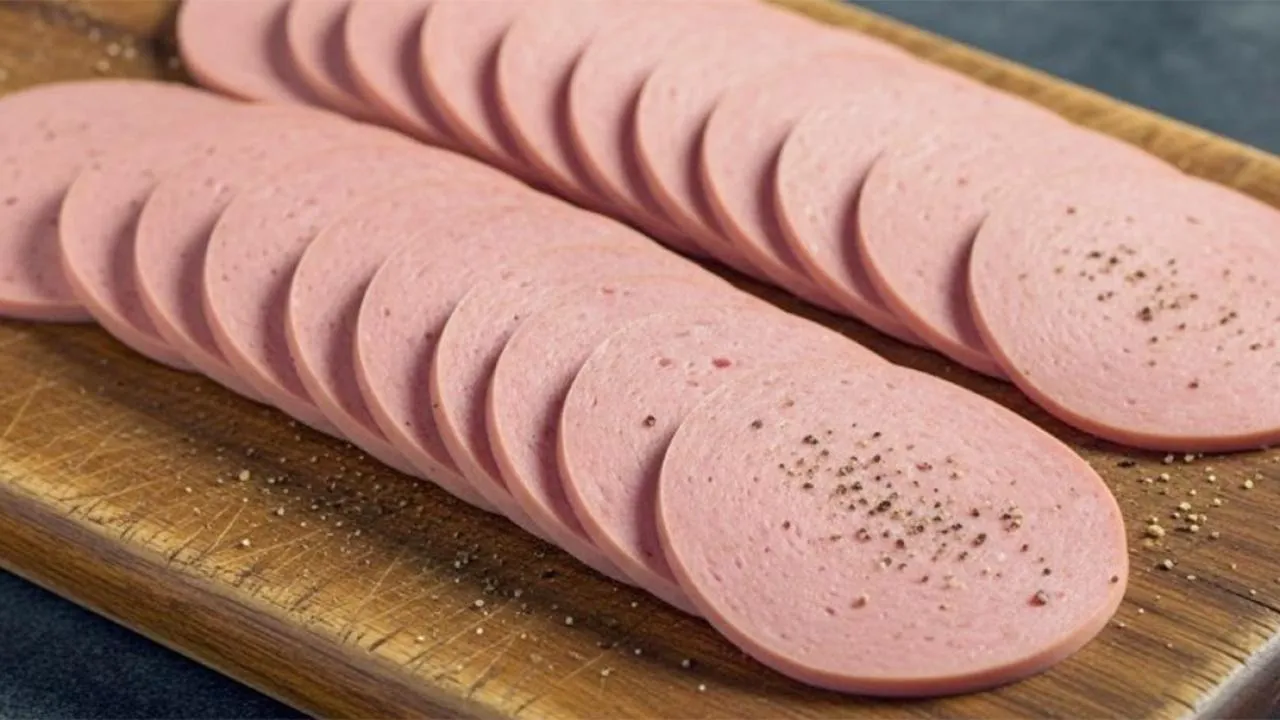
Many people have heard it described as "mystery meat," leading to myths and misconceptions about what actually goes into every slice. While jokes about bologna have become part of popular culture, the reality is far less mysterious than many believe. Modern food production follows strict regulations that determine exactly what manufacturers can include in commercially sold bologna. Understanding its ingredients, preparation methods, and history reveals that this familiar deli meat has a long culinary tradition rather than a questionable reputation. In this article, you'll discover what bologna is made of, how it is manufactured, how it compares to traditional Italian mortadella, and whether it deserves its mixed reputation. By separating myths from facts, you'll gain a better understanding of one of America's most recognizable lunch meats.
Bologna is a finely ground and fully cooked sausage that is commonly sliced and served cold in sandwiches, wraps, or snack trays. It belongs to the family of emulsified sausages, meaning the meat and fat are blended together into a smooth, uniform mixture before cooking.
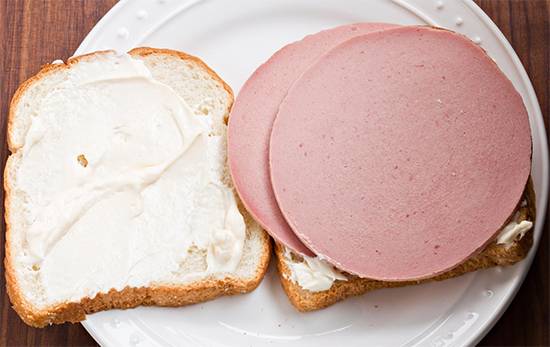
The texture is one of bologna's defining characteristics. Unlike coarse sausages that contain visible chunks of meat, bologna is blended until it becomes creamy and even. This process gives every slice its signature appearance and soft bite.
Although it is especially popular in the United States, similar types of cooked sausages exist around the world. American bologna evolved over time to suit local tastes, resulting in a milder flavor and smoother consistency than many European varieties.
What is bologna made of?
Modern bologna is typically made from beef, pork, chicken, turkey, or a combination of these meats. Manufacturers select lean meat and fat in carefully controlled proportions to create the desired texture and flavor.
In addition to meat, bologna usually contains ingredients such as:
- Salt
- Water
- Sugar or corn syrup
- Black pepper
- Garlic powder
- Paprika
- Coriander
- Mustard seed
- Sodium nitrite for preservation and color
- Natural or artificial flavorings
These ingredients work together to improve taste, preserve freshness, and maintain the sausage's smooth consistency.
Contrary to long-standing myths, commercially produced bologna sold in the United States must meet strict standards established by the U.S. Department of Agriculture (USDA). These regulations specify acceptable ingredients and require accurate labeling.
The manufacturing process begins with high-quality meat that is trimmed and chilled. The meat is then ground into small pieces before being blended with fat, water, seasonings, and curing ingredients.
The mixture is processed at high speed until it forms a fine emulsion. This step evenly distributes the fat throughout the meat, producing the smooth texture that makes bologna unique.
Once the mixture reaches the proper consistency, it is stuffed into casings that hold the sausage together during cooking. The sausages are then cooked at carefully controlled temperatures until fully safe to eat.
Some varieties are lightly smoked during or after cooking, adding extra flavor. After cooling, the casings are removed, and the finished bologna is sliced, packaged, and distributed to grocery stores.
Why is bologna called "mystery meat"?
Bologna earned the nickname "mystery meat" largely because consumers could not easily identify the individual cuts of meat after they had been finely blended together.
Over the years, rumors spread suggesting that bologna contained random scraps or unusual animal parts. While processed meats do use a variety of cuts, commercial manufacturers must follow government regulations regarding the ingredients they use.
Today's ingredient labels clearly list the types of meat included in the product. Consumers can choose from beef bologna, pork bologna, chicken bologna, turkey bologna, or blended varieties depending on personal preference.
Although highly processed, bologna is not the unregulated product that many urban legends suggest.
How does bologna compare to mortadella?
The origins of bologna trace back to mortadella, a famous Italian sausage from the city of Bologna. Mortadella has been produced for centuries and remains a celebrated part of Italian cuisine.
Despite sharing common roots, the two products have several noticeable differences.
Mortadella usually contains visible cubes of pork fat throughout the sausage, creating a richer texture. It is also seasoned with spices such as myrtle berries and black pepper and may include pistachios or olives.
American bologna, on the other hand, is much smoother because the meat and fat are blended together completely. It typically has a milder flavor designed to appeal to a wide range of consumers and is produced on a much larger industrial scale.
While mortadella is often enjoyed as part of charcuterie boards or gourmet sandwiches, American bologna is primarily marketed as an affordable everyday lunch meat.
Is bologna healthy?
Like many processed meats, bologna can fit into a balanced diet when eaten in moderation. Its nutritional value depends on the specific variety and ingredients used.
Bologna provides several beneficial nutrients, including:
- Protein
- Vitamin B12
- Zinc
- Iron
However, it is also often high in sodium, saturated fat, and preservatives such as sodium nitrite. People who are monitoring their blood pressure or limiting processed meat intake may wish to consume it less frequently.
Many manufacturers now offer reduced-sodium, lower-fat, and turkey-based versions that provide similar flavor with fewer calories and less saturated fat.
Reading nutrition labels can help shoppers choose products that best match their dietary goals.
What should you look for when buying bologna?
Not all bologna products are identical. Ingredient quality, nutritional content, and flavor vary among brands.
When shopping, consider checking for:
- The primary type of meat used
- Protein content
- Sodium levels
- Saturated fat content
- Artificial additives
Added smoke flavor versus naturally smoked products
Many specialty delis also offer premium bologna made with higher-quality cuts of meat and fewer additives, providing a richer flavor than standard supermarket varieties.
Consumers looking for healthier choices may also find nitrate-free or uncured options, though these products often use natural curing agents such as celery powder instead.
Why has bologna remained so popular?
Bologna has remained a household favorite because it is affordable, convenient, and versatile. It requires no additional cooking and can be used in sandwiches, salads, breakfast dishes, and hot meals.
Its mild flavor appeals to both children and adults, making it a common choice for packed lunches and quick family meals. Because it is fully cooked before packaging, it is also easy to store and prepare.
For many people, bologna carries a sense of nostalgia, reminding them of childhood lunches and simple home cooking. While food trends have introduced countless gourmet alternatives, bologna continues to hold its place in supermarkets because of its familiarity and practicality.
Bologna may have a reputation as "mystery meat," but modern food regulations and manufacturing practices tell a very different story. Today's bologna is made from clearly identified meats such as beef, pork, chicken, or turkey, blended with seasonings and carefully processed into the smooth sausage found in grocery stores across America. Its roots can be traced to Italy's famous mortadella, although the American version has evolved into its own distinct product with a milder flavor and finer texture. While it is considered a processed meat and should be enjoyed in moderation as part of a balanced diet, bologna remains a safe, affordable, and convenient food that continues to be enjoyed by millions. Understanding what goes into every slice helps separate long-standing myths from the facts, revealing that bologna is less of a mystery than its nickname suggests.





Yorumlar
Kalan Karakter: