
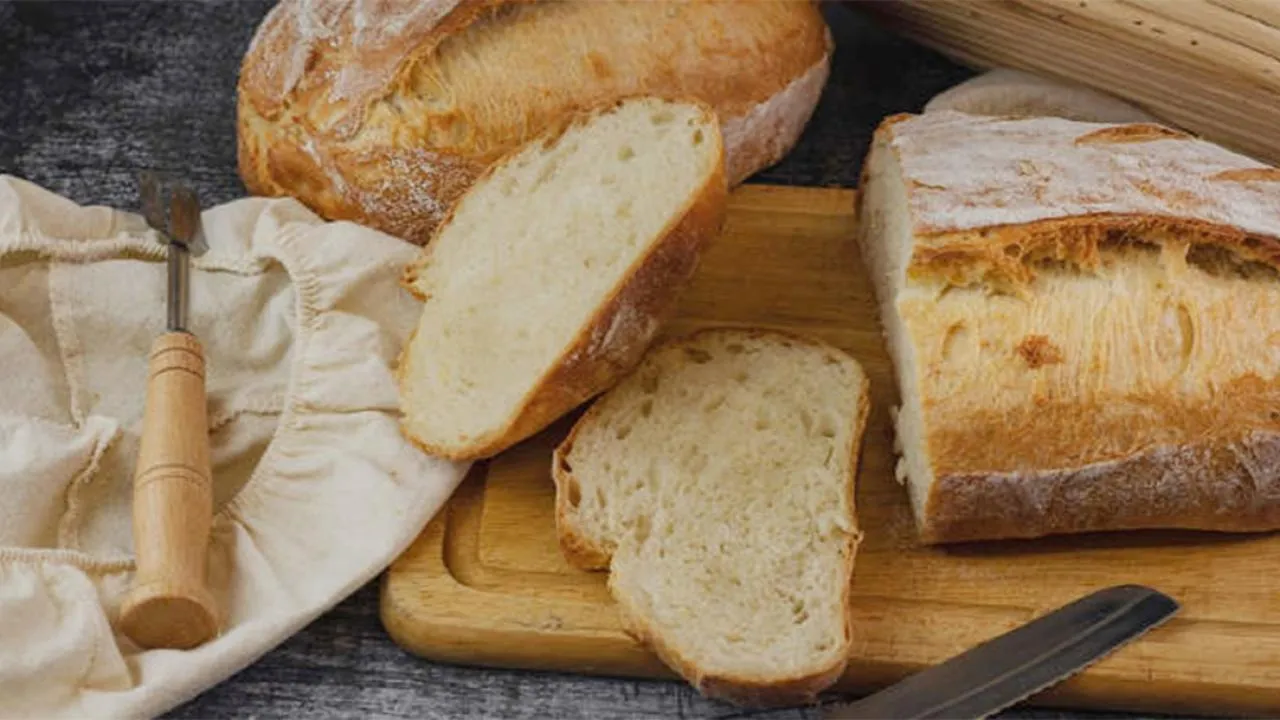
However, many people have experienced the disappointment of pulling a loaf from the freezer only to discover that it has become dry, crumbly, or covered with freezer burn. It is easy to assume that freezing simply does not work, but the real problem is often the storage method rather than the freezer itself. Understanding the science behind bread preservation makes all the difference. By learning why bread becomes stale and how freezing affects its structure, you can preserve both flavor and texture for months. In this guide, you'll discover the scientific reason bread goes stale, why the refrigerator is surprisingly the worst place to store it, and the simple double-wrap technique that helps frozen bread taste almost as fresh as the day it was baked.
Why bread goes stale
Many people believe bread becomes stale because it dries out, but the real reason is a natural chemical process known as starch retrogradation. During baking, heat causes starch molecules inside the dough to absorb water and expand. This process gives freshly baked bread its soft texture and moist crumb.
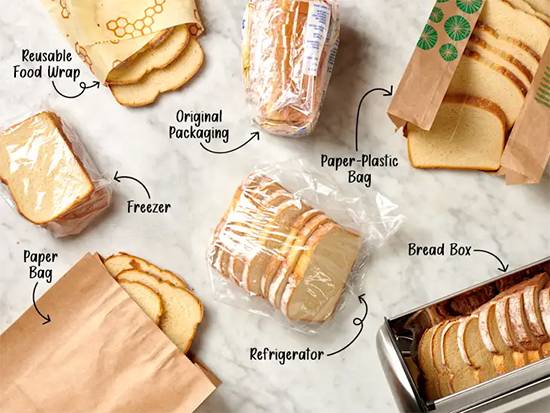
As bread cools and sits over time, the starch molecules slowly reorganize into a more crystalline structure. As this happens, moisture is forced away from the starch, making the bread feel firmer and less enjoyable to eat. Although some moisture is lost, the primary cause of staleness is this molecular change rather than simple dehydration. Understanding this process explains why proper storage is essential if you want your bread to stay fresh for as long as possible.
Why the refrigerator makes bread stale faster
It may seem logical to refrigerate bread to extend its shelf life, but food science shows the opposite is true. The temperature inside a refrigerator creates ideal conditions for starch retrogradation, causing bread to become stale significantly faster than it would at room temperature.
Research has shown that bread stored in the refrigerator can stale several times faster than bread kept on the kitchen counter. While refrigeration may slow mold growth, it quickly damages the texture, leaving bread dry, firm, and less flavorful.
Unless your bread contains highly perishable fillings, refrigeration is generally not recommended. If you cannot finish a loaf within a few days, freezing is the far better option.
Why freezing preserves freshness
Unlike refrigeration, freezing dramatically slows the movement of water molecules inside bread. At freezer temperatures, starch retrogradation nearly stops, effectively preserving the bread in its current condition.
The greatest threat inside the freezer is not staleness but freezer burn. This occurs when moisture slowly escapes from the surface of the bread through a process called sublimation, where ice changes directly into vapor. As moisture leaves the loaf, the bread becomes dry, tough, and develops an unpleasant flavor. Preventing freezer burn requires limiting the bread's exposure to air, which is why proper wrapping is so important.
How to freeze bread using the double-wrap method
The double-wrap method creates two protective barriers that help preserve moisture while preventing freezer burn. Start by allowing freshly baked bread to cool completely. Freezing warm bread traps steam inside the packaging, leading to excess moisture, large ice crystals, and a soggy texture after thawing.
Next, decide whether you want to freeze the loaf whole or slice it first. Whole loaves are convenient for larger households, while sliced bread allows you to remove only the amount you need without thawing the entire loaf.
Wrap the bread tightly in plastic wrap or aluminum foil, pressing the material closely against the surface to remove as much trapped air as possible.
Then place the wrapped loaf inside a heavy-duty freezer bag. Press out excess air before sealing the bag tightly. Label the package with the freezing date using a permanent marker. This simple two-layer barrier significantly reduces moisture loss and helps maintain the bread's original quality.
How to freeze sliced bread successfully
Freezing sliced bread provides maximum convenience because individual slices can be removed whenever needed.
To prevent slices from sticking together, place a small piece of parchment paper between each slice before wrapping the loaf. This extra step makes it easy to separate frozen slices without forcing them apart and damaging the bread.
The slices can then be wrapped and sealed using the same double-wrap method, ensuring each piece remains protected from air exposure.
How to thaw frozen bread correctly
Thawing bread properly is just as important as freezing it correctly. For a whole loaf, remove it from the freezer and allow it to thaw at room temperature while still wrapped. Keeping the bread wrapped during thawing allows moisture to redistribute evenly throughout the loaf, helping restore a soft interior.
Individual slices can go directly from the freezer into the toaster without thawing first. This is one of the easiest ways to enjoy frozen bread while maintaining excellent texture. If you want to recreate the crisp crust of freshly baked bread, remove all wrapping and warm the loaf in a preheated oven at 375°F (190°C) for five to ten minutes after thawing.
Common mistakes to avoid
- Several common storage mistakes can reduce the quality of frozen bread.
- Never refrigerate bread unless absolutely necessary, as refrigeration greatly accelerates staling.
- Avoid freezing bread while it is still warm because trapped moisture forms ice crystals that damage the texture.
- Do not thaw bread in the microwave unless absolutely necessary. Microwave thawing often produces uneven heating and a gummy interior.
- Once bread has fully thawed, avoid repeatedly refreezing it. Each freeze-and-thaw cycle causes additional moisture loss and gradually worsens the texture.
Finally, do not rely solely on the bread's original packaging. Most store packaging is designed for short-term storage rather than long-term freezer protection.
How long frozen bread stays fresh
When properly wrapped, most bread maintains excellent quality in the freezer for up to three months. While it remains safe to eat beyond this period if continuously frozen, its flavor and texture gradually decline over time.
Artisan sourdough, sandwich bread, homemade bread, dinner rolls, bagels, and many other baked goods all freeze exceptionally well when protected from air exposure. Keeping bread properly labeled helps ensure you use older loaves before freezing new ones, reducing unnecessary food waste.
Frequently asked questions
Many people wonder whether homemade bread freezes as well as store-bought bread. In fact, homemade bread often freezes even better because it contains fewer preservatives and maintains a fresher texture after thawing.
Another common question is whether bread dough can be frozen. The answer is yes. Bread dough freezes successfully before baking and can later be thawed, proofed, and baked for fresh homemade bread. Many also ask whether frozen bread needs to thaw before toasting. Fortunately, individual slices can be toasted directly from frozen, making frozen bread extremely convenient for everyday use.
Freezing bread correctly is one of the simplest ways to preserve freshness, reduce food waste, and enjoy high-quality bread whenever you want it. By understanding the science behind starch retrogradation and preventing freezer burn with the double-wrap method, you can keep bread tasting remarkably fresh for months. Whether you bake your own bread or buy artisan loaves from a local bakery, taking a few extra minutes to package them properly will reward you with better flavor, better texture, and less waste. Once you start freezing bread the right way, you'll never have to worry about stale or freezer-burned loaves again.






Yorumlar
Kalan Karakter: