
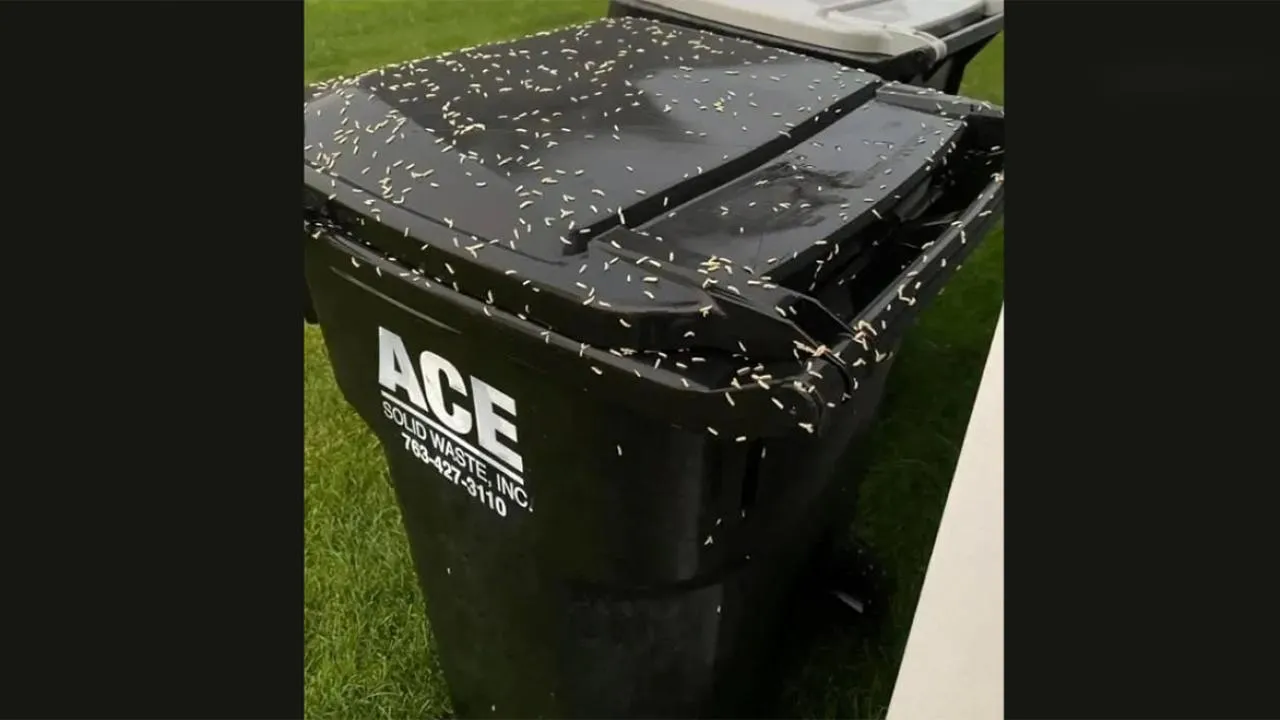
Sometimes it’s a strange smell coming from the trash bin, and other times it’s a mysterious object that seems far more alarming than it really is. Both situations can trigger immediate concern and send our imaginations racing toward worst-case scenarios.
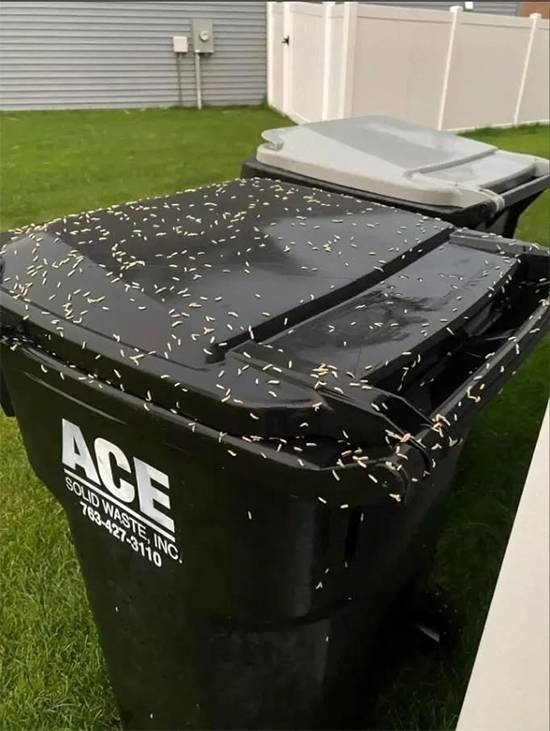
One rainy evening, a simple object found on a stockroom floor became the center of a household mystery. What appeared to be a small bone sparked hours of investigation, online searches, and frantic messages to friends. At the same time, the experience reminded us of another common household horror: finding maggots in a trash bin. While these situations may seem unrelated, they share an important lesson. Things that look frightening at first often have surprisingly simple explanations. In this article, you’ll learn practical ways to prevent maggots in your trash bin while also enjoying the story of a mystery “bone” that turned out to be something completely unexpected.
Why maggots appear in trash bins
Maggots are the larval stage of flies. When flies discover food waste, especially meat, fish, dairy products, or rotting fruit, they can lay hundreds of eggs in a very short period. Under warm conditions, these eggs may hatch within 8 to 24 hours.
Once hatched, maggots feed aggressively on organic waste. Within just a few days, a small amount of neglected garbage can become home to a large number of wriggling larvae. This rapid development often makes homeowners feel as though the infestation appeared overnight.
Understanding why maggots develop is the first step toward preventing them. Since flies are attracted by food odors and moisture, reducing these factors significantly lowers the risk of a problem.
How to prevent maggots before they start
The most effective way to deal with maggots is to stop them from appearing in the first place. Good waste management practices can make a major difference.
Take out household trash regularly, especially during warmer months. Food waste should not remain in indoor or outdoor bins for extended periods.
Place food scraps in tightly sealed bags before disposal. Double-bagging meat, fish, and dairy products helps reduce odors that attract flies.
Consider freezing particularly smelly food scraps until garbage collection day. This simple habit can prevent odors from building up inside the trash bin.
Rinse food containers before disposal. Leftover food residue inside cans, jars, and takeout containers can attract insects even when the containers appear empty.
Use trash bins with secure lids. A tightly fitting lid creates a physical barrier that prevents flies from reaching food waste.
Regular cleaning is equally important. Washing the bin with hot water and soap every few weeks removes food residue and unpleasant odors that may attract pests.
How to eliminate maggots from a trash bin
If maggots have already appeared, the situation can be unpleasant but manageable.
Start by moving the trash bin to an outdoor area away from living spaces. Empty the bin completely and dispose of the garbage in a properly sealed waste container.
Boiling water is one of the most effective methods for killing maggots quickly. Carefully pour hot water directly over affected areas inside the bin.
Afterward, scrub the entire bin using hot, soapy water. Pay close attention to corners, seams, and the underside of the lid where residue often accumulates.
For additional sanitation, use a diluted bleach solution consisting of one part bleach and ten parts water. Allow it to sit for several minutes before rinsing thoroughly.
Once the bin is completely dry, place a fresh trash bag inside. Many people also sprinkle baking soda at the bottom to help absorb moisture and control odors.
What not to do when dealing with maggots
Several common mistakes can make the problem worse.
Avoid ignoring maggots. Left untreated, they eventually develop into adult flies, which can lead to a recurring cycle of infestation.
Do not rely solely on chemical insecticides inside household trash bins. These products can contaminate waste and may create risks for pets or wildlife.
Using bleach alone without removing the maggots first is often ineffective. Physical removal and hot water treatment generally produce better results.
Maintaining cleanliness and eliminating food sources remain the most reliable long-term solutions.
How a mysterious “bone” caused hours of panic
One evening, my sister arrived carrying a small object wrapped in a paper towel. She had discovered it on the floor near a stockroom at work.
The object was about two inches long, curved, yellowish, and surprisingly bone-like. One end appeared to have a joint structure, making it look remarkably similar to a small finger or toe bone.
Naturally, our imaginations took over.
We spent hours researching images online, comparing photographs, and discussing possibilities with friends. Suggestions ranged from animal remains to a Halloween prop. One person thought it might be a veterinary specimen. Another believed it could be a bird bone.
The mystery became increasingly entertaining as more theories emerged. Despite our efforts, nobody could provide a definitive answer.
How the mystery was finally solved
Late that evening, a coworker responded to one of our messages.
She had encountered a nearly identical object in the same stockroom months earlier and had asked the manager about it. According to her, the answer was surprisingly simple.
- The object was not a bone at all.
- It was a piece of dried ginger root.
Once ginger dries out, it can shrink, harden, and develop shapes that resemble skeletal structures. The apparent “joint” was simply a natural growth point where a smaller section had broken away. The smooth surface resulted from handling and wear over time.
The moment we compared the object with photographs of dried ginger, the resemblance became obvious. What had seemed like a potential forensic mystery was actually a forgotten piece of produce.
What this experience taught us
The lesson from both the trash bin problem and the mystery object is remarkably similar.
People often assume the worst when faced with something unusual. A strange object becomes a human bone. A cluster of maggots feels like a major infestation. In reality, many alarming situations have simple explanations.
Taking a moment to investigate, gather information, and consider ordinary possibilities can prevent unnecessary stress.
Photographs, expert opinions, and careful observation are often enough to solve mysteries that initially appear frightening.
Why staying calm is often the best solution
Whether you are trying to prevent maggots in a trash bin or identify an unusual object, a calm and methodical approach is usually the most effective strategy.
Good sanitation practices can keep your household free from flies and larvae. At the same time, a little patience and curiosity can turn a frightening discovery into a funny story.
The dried ginger “bone” remains a memorable reminder that appearances can be deceiving. Sometimes the things that worry us most turn out to be completely harmless.
And when it comes to trash bins, a little maintenance goes a long way toward preventing unpleasant surprises. Clean bins, secure lids, and regular trash removal can help ensure that the only mysteries you encounter are the amusing ones.






Yorumlar
Kalan Karakter: