
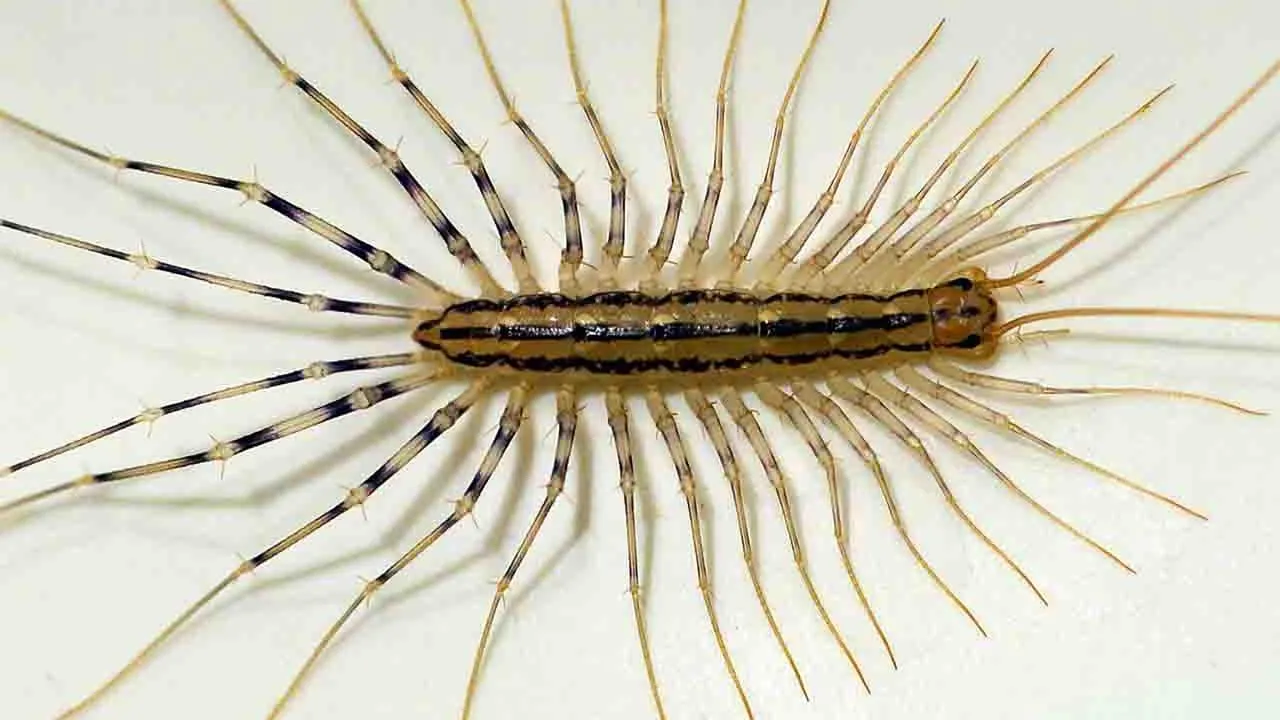
For many people, the sight of a house centipede is enough to trigger a fight-or-flight response. Their long bodies, dozens of legs, and incredible speed make them look like something straight out of a nightmare. Despite their frightening appearance, however, these unusual creatures are far less dangerous than most people assume.
House centipedes are common indoor insects that prefer dark and humid environments. They are not interested in people, food leftovers, or invading living spaces for comfort. Instead, they are skilled hunters searching for the tiny pests that often go unnoticed inside homes. In fact, their presence can sometimes indicate that they are helping control other insect populations.
Understanding why house centipedes appear indoors and how they behave can make them seem a little less terrifying. Although their appearance may never win popularity contests, these hidden predators perform an important role that many homeowners rarely appreciate.
Why house centipedes enter homes
House centipedes are attracted to moisture and shelter rather than human activity. Bathrooms, basements, laundry rooms, crawl spaces, and dark corners provide the ideal environment for them to survive.
Unlike insects that seek crumbs or garbage, house centipedes follow prey. Areas with high humidity often support populations of spiders, silverfish, ants, cockroaches, and other insects that make excellent meals for these predators.
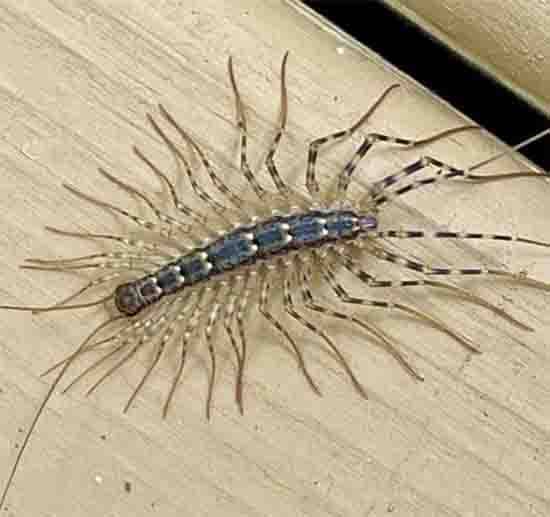
Most house centipedes remain hidden during the day. They prefer quiet locations and usually emerge at night when they can hunt without disturbance. This is why people often encounter them unexpectedly when turning on a bathroom light or entering a basement.
Their presence does not necessarily mean your home is dirty. Instead, it may indicate excess moisture or an existing population of smaller insects that attracts them.
Why house centipedes look so frightening
The appearance of a house centipede is enough to make many people uncomfortable. Their bodies can measure more than an inch long, and they possess numerous thin legs that move with incredible speed.
Their unusual shape evolved for hunting efficiency. The long legs help them move rapidly across walls, floors, and ceilings while pursuing prey. Their antennae allow them to detect vibrations and locate insects in dark environments.
Because humans are naturally cautious of unfamiliar creatures, the combination of speed and many legs often creates feelings of fear or disgust. This reaction is understandable, even though the centipede itself has no interest in attacking people.
What appears terrifying is actually a highly specialized predator designed to survive by catching smaller pests.
Are house centipedes dangerous to humans?
One of the most common questions homeowners ask is whether house centipedes are dangerous. The answer is reassuring.
House centipedes do possess venom, but it is intended for immobilizing tiny insects rather than harming humans. Their jaws are relatively weak, and bites are extremely rare because these creatures prefer escape over confrontation.
In the uncommon event that a bite occurs, most people experience only mild discomfort comparable to a small bee sting. Symptoms usually disappear quickly and do not require medical treatment unless an allergic reaction develops.
Unlike many household pests, house centipedes do not spread diseases or damage furniture, clothing, or food supplies. They generally avoid human contact and spend most of their lives hidden from view.
How house centipedes help control other pests
Despite their unsettling appearance, house centipedes are highly beneficial predators. Their diet includes many insects that homeowners would rather not share their living spaces with.
House centipedes commonly feed on:
- Cockroaches
- Spiders
- Silverfish
- Ants
- Termites
- Moths
- Bed bugs
- Small flies
Because they actively hunt these pests, house centipedes often serve as natural pest control. In some cases, they help prevent infestations from growing larger and more difficult to manage.
Their role in maintaining balance inside the home makes them more helpful than harmful. Many people never realize that these creatures are quietly reducing populations of insects that can cause far greater problems.
How to reduce house centipedes naturally
Even though they are beneficial, not everyone feels comfortable sharing a home with fast-moving centipedes. Fortunately, there are humane ways to make your home less attractive to them.
Reducing moisture is one of the most effective solutions. Repairing leaks, improving ventilation, and using dehumidifiers can create conditions that are less favorable for both centipedes and the insects they hunt.
Sealing cracks around doors, windows, and foundations helps prevent them from entering. Keeping storage areas organized and eliminating clutter also removes hiding places.
Because house centipedes depend on other insects for food, reducing pest populations naturally decreases the reasons they remain indoors.
Some homeowners choose to trap and release them outside rather than kill them, recognizing the beneficial role they play.
Why fear of house centipedes is understandable
Human beings are wired to react strongly to unfamiliar or rapidly moving creatures. House centipedes trigger this response because they appear unusual and move with startling speed.
Fear does not necessarily disappear simply because something is harmless. However, understanding the behavior and purpose of these creatures can make encounters less alarming.
Rather than viewing them as aggressive invaders, it helps to recognize that they are simply hunters following instinct. Their goal is not to bother people but to search for prey and survive.
Knowledge often transforms fear into curiosity, even when the creature involved still looks like it belongs in a horror movie.
Why house centipedes deserve a second look
House centipedes may never become favorite household visitors, but they are far more useful than their appearance suggests. They do not seek out humans, rarely bite, and provide valuable pest control by feeding on insects that can become much larger problems.
Their frightening appearance masks the reality that they are quiet, efficient hunters that spend most of their time hidden from sight. In many ways, they are working behind the scenes to keep unwanted pests in check.
The next time you spot one racing across the floor, your first reaction may still be surprise. But beneath those countless legs is a harmless creature performing a job that most homeowners never notice, protecting the home from pests that are often far more troublesome than the centipede itself.






Yorumlar
Kalan Karakter: