
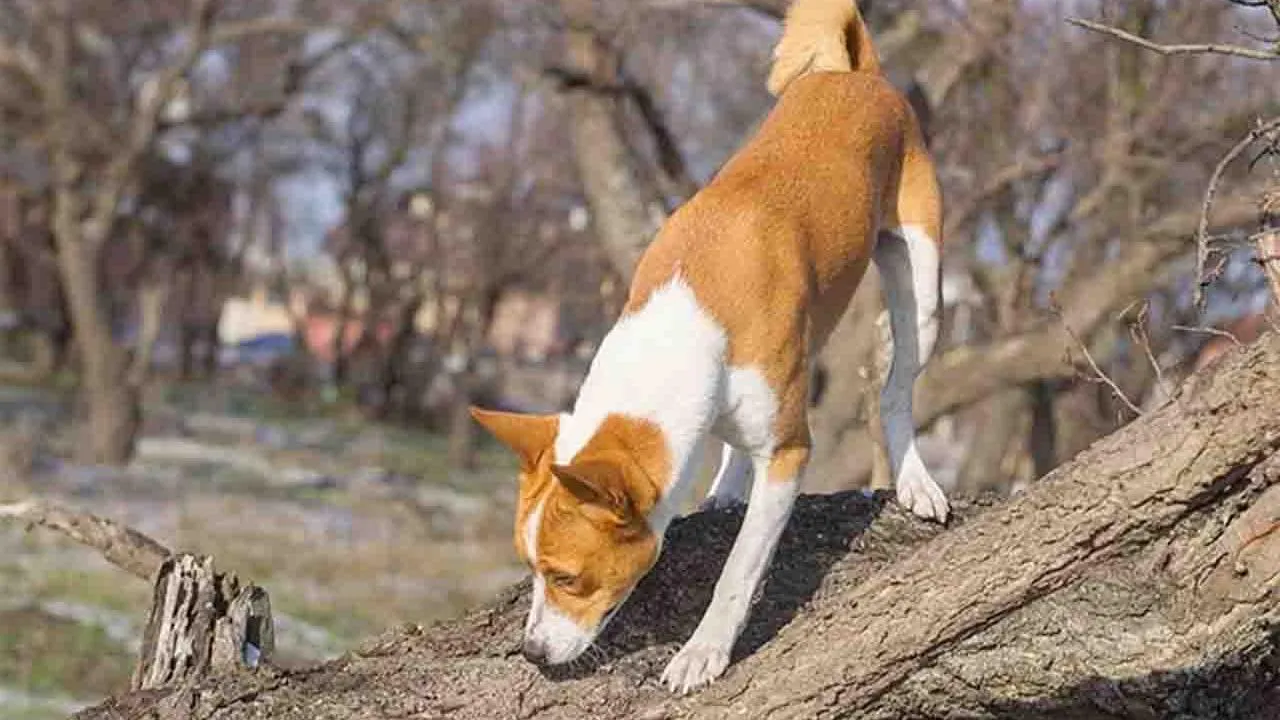
One of the most common examples occurs when a dog approaches a person and immediately begins sniffing very personal areas of the body. While this behavior can create awkward moments during social gatherings, it is completely normal in the canine world. Dogs use their powerful sense of smell to gather information about people, animals, and their surroundings. What may feel uncomfortable to humans is actually an important form of communication for dogs.
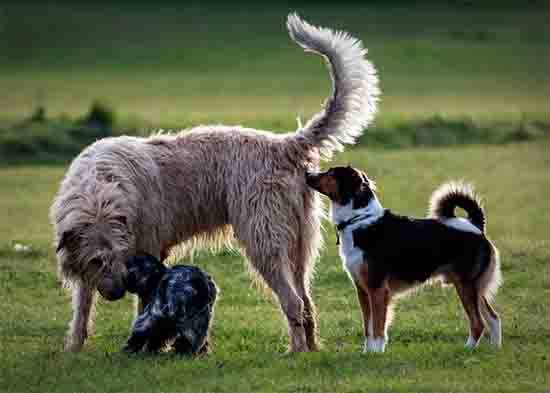
Understanding why dogs behave this way can help pet owners respond more confidently and effectively. Rather than viewing the behavior as a problem, it is helpful to recognize it as a natural instinct rooted in canine biology. By learning how dogs experience the world through scent, owners can better understand their pets and guide them toward more socially acceptable greetings. This article explores the science behind dog sniffing behavior, why certain areas attract their attention, and how training can help manage these interactions.
Why dogs rely on their sense of smell
Dogs experience the world very differently than humans. While people depend heavily on vision and spoken language, dogs rely primarily on their sense of smell. A dog's nose contains hundreds of millions of scent receptors, far more than the average human nose. This extraordinary ability allows dogs to detect odors and chemical signals that humans cannot perceive.
Every scent carries valuable information for a dog. Through smell, dogs can identify individuals, detect emotions, recognize familiar people, and gather clues about their environment. For dogs, scent functions much like a combination of sight, hearing, and conversation. It is their primary tool for understanding what is happening around them.
Because smell is so important to canine communication, dogs naturally investigate new people by sniffing them. This behavior is not rude or aggressive. Instead, it is simply the dog's way of gathering information and becoming familiar with someone.
Why dogs sniff personal areas
Many people wonder why dogs often focus on personal areas rather than hands, feet, or clothing. The answer lies in the concentration of scent-producing glands found in certain parts of the human body.
These areas release stronger chemical signals that provide dogs with more detailed information. Since dogs are naturally positioned closer to these areas due to their height, they can easily access these scent sources when greeting someone.
From a dog's perspective, sniffing these regions is an efficient way to learn about a person. They may detect information related to age, gender, emotional state, recent activities, and even certain biological changes. While humans may interpret this behavior through social norms, dogs simply see it as a normal greeting process.
Understanding this instinct can help reduce embarrassment and frustration when such situations occur. The behavior is driven by curiosity and communication rather than any intention to make people uncomfortable.
How dogs use scent to understand people
Canine scent detection is remarkably advanced. Dogs can identify subtle chemical changes that occur naturally in the human body. Research has shown that dogs may recognize changes associated with stress, fear, excitement, and other emotional states through scent alone.
This ability explains why dogs are often used in specialized roles such as medical detection, search and rescue operations, and therapy work. Their noses can identify information that remains completely undetectable to humans.
In everyday interactions, dogs use these same abilities when meeting people. A dog may show extra interest in a particular individual because their scent is unfamiliar, stronger, or different from what the dog typically encounters. This heightened attention is usually a sign of curiosity rather than concern.
By collecting scent information, dogs create a detailed understanding of the people around them. This process helps them determine whether someone is familiar, friendly, or entirely new.
Why dogs become more curious around guests
Many pet owners notice that their dogs are especially interested in visitors. This reaction is normal because guests bring new scents into the dog's environment. Dogs are naturally curious animals, and unfamiliar smells immediately attract their attention. A visitor's clothing, shoes, personal belongings, and body scent all provide a wealth of information for the dog to investigate.
Social gatherings can make sniffing behavior more noticeable because there are multiple new people to explore. In these situations, dogs often attempt to gather information quickly, which can result in direct and sometimes awkward sniffing interactions.
Recognizing that this behavior is rooted in curiosity can help owners manage social situations more effectively. Instead of reacting negatively, they can redirect the dog's attention and encourage alternative greeting behaviors.
How training can help manage sniffing behavior
Although sniffing is a natural instinct, dogs can learn more appropriate ways to greet people. Training plays an important role in helping dogs balance their natural behaviors with human social expectations.
Basic obedience commands such as "sit," "stay," and "come" can be extremely useful when guests arrive. Asking a dog to perform a simple command before greeting someone provides structure and reduces impulsive behavior.
Positive reinforcement is one of the most effective training methods. Rewarding calm greetings with treats, praise, or affection encourages dogs to repeat those behaviors. Over time, they learn that polite interactions lead to positive outcomes.
Consistency is essential during training. Every member of the household should follow the same rules and reward system. Clear and predictable expectations help dogs learn more quickly and reduce confusion. With patience and practice, many dogs can develop greeting habits that are both natural and socially appropriate.
Why understanding canine communication matters
One of the biggest challenges in pet ownership is remembering that dogs do not think like humans. They do not share human ideas about personal space, social etiquette, or embarrassment. Their behavior is guided by instincts that have evolved over thousands of years.
Viewing sniffing behavior through a canine perspective can change how owners respond. Rather than seeing the action as disrespectful or problematic, it becomes easier to recognize it as a form of communication and exploration.
This understanding strengthens the bond between dogs and their owners. It also promotes more effective training because solutions are based on canine behavior rather than human assumptions. When people understand why dogs sniff certain areas, they are better equipped to manage the behavior calmly and constructively.
Dogs sniff people in personal areas because scent is their primary method of communication and information gathering. Their powerful noses allow them to detect details that humans cannot perceive, making certain scent-rich areas especially interesting during greetings. While this behavior may feel awkward in social situations, it is completely natural from a dog's perspective.
By understanding the science behind canine scent communication, pet owners can respond with greater patience and awareness. Through positive reinforcement, consistent training, and realistic expectations, dogs can learn more appropriate ways to greet people without losing their natural instincts. Ultimately, this common behavior offers valuable insight into how dogs experience the world and reminds us that their understanding of communication is very different from our own.







Yorumlar
Kalan Karakter: