
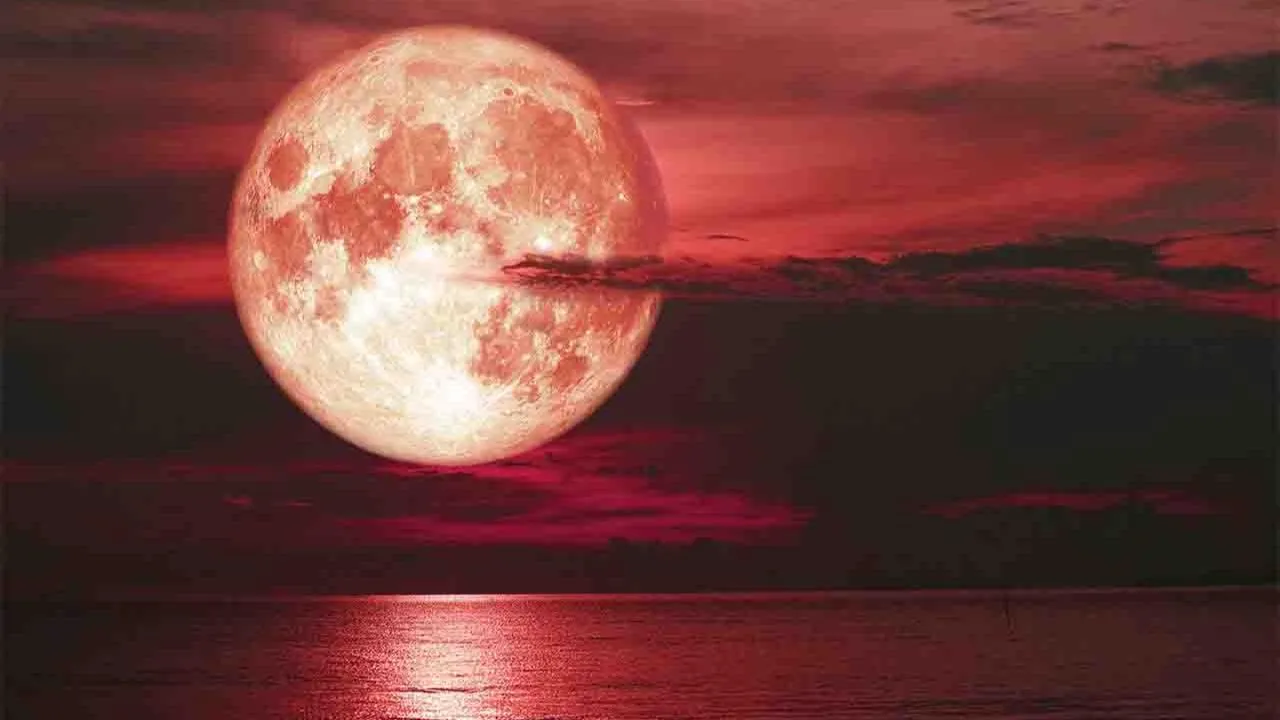
The night sky has always offered moments that connect humanity with the rhythms of nature, and few lunar events capture that connection as beautifully as the Strawberry Moon. Returning on June 29, 2026, this beloved June full moon promises another memorable evening for skywatchers around the world. While many people expect a pink or red moon, the story behind the Strawberry Moon is far more fascinating and deeply rooted in seasonal traditions.

This year’s event is especially intriguing because the full moon will also be a micromoon, appearing slightly smaller and dimmer than average due to its position farther from Earth. Although the difference is subtle, it adds another layer of interest to an already cherished astronomical event. From its Indigenous origins to the stunning moonrises that accompany warm summer evenings, the Strawberry Moon remains one of the most anticipated celestial sights of the year. Here is everything you need to know about the June 2026 Strawberry Moon and why this familiar spectacle continues to inspire wonder.
What is the Strawberry Moon?
The Strawberry Moon is the traditional name given to the full moon that occurs in June. Contrary to popular belief, the name has nothing to do with the moon’s appearance or color. Instead, it originated from Indigenous peoples of North America, who used the lunar cycle to mark important seasonal events.
June was the time when wild strawberries reached their peak and could be harvested. The full moon served as a natural calendar, helping communities recognize this brief but important period. Over centuries, the name survived and eventually became widely recognized in modern astronomy and popular culture.
Today, the Strawberry Moon is among the most famous names assigned to full moons throughout the year, attracting millions of people who enjoy observing the night sky.
Why the Strawberry Moon is not actually pink
One of the biggest misconceptions surrounding the Strawberry Moon is that it will glow with a pink or reddish hue. In reality, the moon itself does not change color because of its name.
Like any full moon, its surface reflects sunlight and appears white or pale yellow when high in the sky. However, atmospheric conditions can create beautiful visual effects when the moon rises near the horizon. Earth's atmosphere scatters shorter wavelengths of light, allowing warmer colors such as orange, gold, and red to become more prominent.
As a result, observers may witness a breathtaking golden or amber moonrise that creates the impression of a colorful Strawberry Moon, even though its appearance is caused by natural atmospheric effects rather than any unique lunar phenomenon.
Why the June 2026 Strawberry Moon is a micromoon
The June 29, 2026, Strawberry Moon carries another interesting distinction. It will be a micromoon, a phenomenon that occurs when the Moon reaches its full phase while positioned near apogee, the farthest point in its orbit around Earth.
Because of this increased distance, the Moon appears slightly smaller and less bright compared with an average full moon. The difference is relatively subtle, and most observers will not notice it without photographs or direct comparisons.
Micromoons are essentially the opposite of supermoons, which occur when the Moon is closer to Earth and therefore appears larger. Although supermoons often receive more attention, micromoons offer astronomers and enthusiasts another opportunity to appreciate the dynamic nature of the Moon's orbit.
Why June moonrises are especially beautiful
June full moons often coincide with some of the most picturesque evenings of the year. In many locations, the Moon rises shortly after sunset, creating a remarkable display against skies still illuminated by lingering twilight.
The soft colors of sunset combined with warm summer temperatures and gentle moonlight create an atmosphere that many people associate with relaxation and the arrival of summer. Landscapes bathed in silver light have inspired artists, writers, and skywatchers for centuries.
Unlike meteor showers or eclipses, viewing the Strawberry Moon requires no expensive equipment. A clear sky and a comfortable place outdoors are enough to enjoy the experience.
How to observe the Strawberry Moon on June 29, 2026
Watching the Strawberry Moon is simple and accessible to everyone. The best time to observe it is shortly after moonrise, when it appears low above the horizon. During this period, atmospheric effects often enhance its warm colors and create the illusion that the Moon is larger than it actually is.
For the best views, seek locations with minimal light pollution and an unobstructed view toward the eastern horizon. Beaches, open fields, parks, and elevated areas can provide spectacular vantage points.
Although binoculars and telescopes can reveal more surface detail, they are not necessary. The beauty of the Strawberry Moon lies in its simplicity and the sense of calm it brings to a summer evening.
Why the Strawberry Moon continues to inspire wonder
Modern astronomy frequently highlights extraordinary discoveries such as black holes, exoplanets, and distant galaxies. Yet some of the most meaningful celestial events are those that repeat year after year, quietly reminding us of our connection to the natural world.
The Strawberry Moon is not the brightest full moon, nor is it the rarest. What makes it special is its ability to connect generations through shared experiences and seasonal traditions.
For centuries, people have watched this June full moon rise above forests, mountains, rivers, and cities. It has marked the changing seasons, inspired stories, and offered moments of reflection beneath the night sky.
On June 29, 2026, that timeless tradition will continue once again. As the Strawberry Moon rises over the horizon, millions of people will pause to admire a familiar sight that still possesses the power to inspire awe and curiosity.







Yorumlar
Kalan Karakter: