
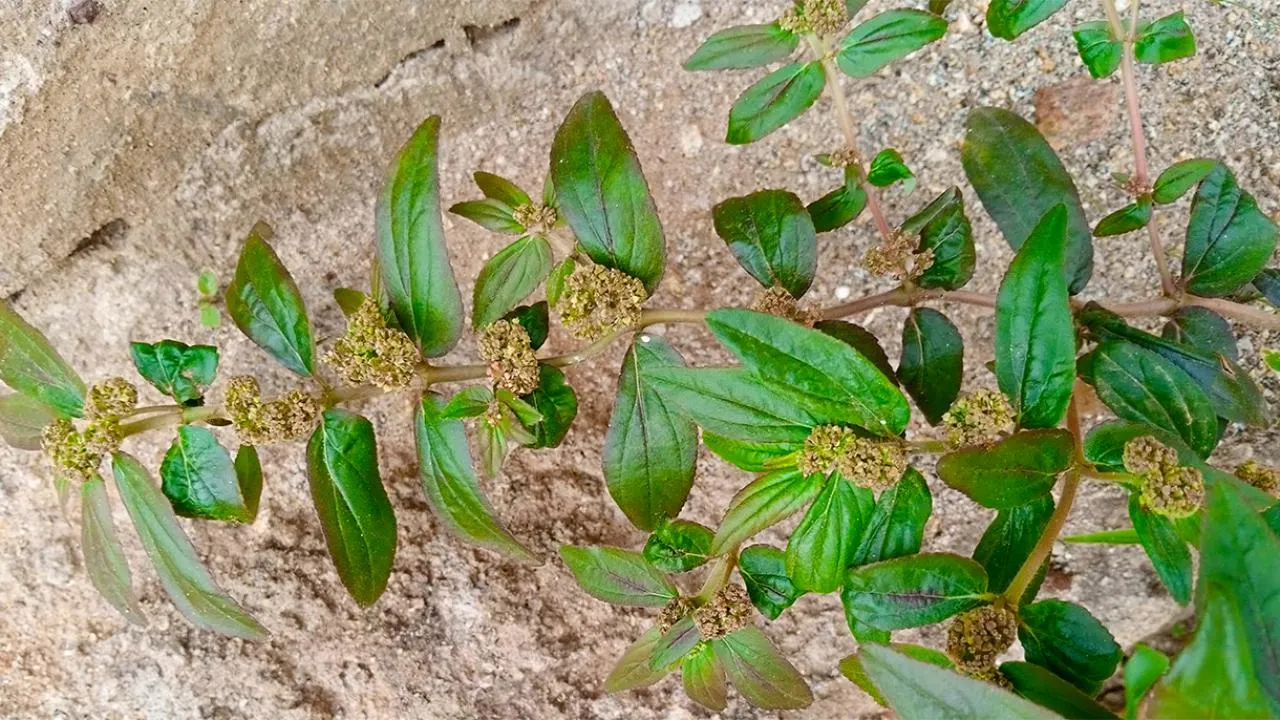
Often dismissed as an ordinary weed growing in gardens, sidewalks, empty lots, and flowerpots, this plant has quietly remained part of natural wellness traditions for generations. Known scientifically as Euphorbia hirta, Santa Lucía herb is especially recognized for its small green leaves, delicate flowers, and milky sap that appears when its stem is broken.

In many cultures, the plant is appreciated for its long history of use in homemade herbal teas and natural remedies. Traditional users believe it may support respiratory health, digestion, fluid balance, and overall wellness. Because of these popular uses, interest in Santa Lucía herb continues to grow among people searching for natural health alternatives and herbal traditions passed down through families.
Although modern scientific research on the plant is still developing, the herb remains widely discussed in folk medicine due to its reputation for soothing coughs, easing stomach discomfort, and supporting the body’s natural detox processes. Understanding how the plant has traditionally been used, as well as the precautions associated with wild herbs, can help people appreciate why this humble plant continues to attract attention around the world.
What is Santa Lucía herb?
Santa Lucía herb is the common name often used for Euphorbia hirta, a small flowering plant found in tropical and subtropical regions. It grows easily in disturbed soil, roadsides, gardens, and humid environments, making it one of the most widespread wild herbs in many countries.
The plant usually features thin stems, tiny clustered flowers, oval green leaves, and a characteristic white latex sap. Because it spreads quickly and grows almost anywhere, many gardeners remove it immediately without realizing its importance in traditional herbal practices.
For generations, herbal communities have used Santa Lucía herb in teas and natural preparations believed to promote general wellness. In some regions, it is also called the asthma plant because of its historical connection with respiratory support.
Traditional uses of Santa Lucía herb
Traditional herbal medicine has associated Santa Lucía herb with a wide variety of natural wellness practices. Many people prepare the plant as an herbal infusion to support respiratory comfort during seasonal illnesses such as coughs, congestion, and mild bronchial irritation.
The herb is also commonly linked to digestive support. In folk medicine, people often drink Santa Lucía herb tea after meals to help reduce bloating, indigestion, and abdominal heaviness. Its reputation as a soothing herb has made it popular in many homemade remedies passed down through generations.
Another traditional use involves fluid balance and urinary support. Due to its mild diuretic reputation, some users believe the herb may help the body eliminate excess fluids naturally. In various communities, it has also been connected to natural detox routines and circulation support.
Some herbal traditions additionally mention Santa Lucía herb in wellness plans related to maintaining balanced blood sugar levels. However, health professionals strongly advise that herbal remedies should never replace prescribed medications or medical supervision.
Potential health benefits associated with Euphorbia hirta
Although scientific studies are still limited, researchers and traditional healers have shown interest in the plant because of its natural compounds. Folk medicine commonly attributes several beneficial properties to Santa Lucía herb, including anti-inflammatory, expectorant, antimicrobial, and digestive-supporting effects.
Its expectorant reputation is one of the reasons why it is traditionally used during colds and respiratory discomfort. Many people believe the herb may help loosen mucus and soothe irritation in the airways.
The plant is also valued for its potential digestive benefits. Herbal users often describe it as calming for the stomach and helpful for easing occasional discomfort after heavy meals. Because it is believed to support digestion naturally, the tea remains popular in many households.
Additionally, some traditional practices use the herb externally in natural skin remedies. However, because the plant produces a milky latex sap, direct contact may irritate sensitive skin in some individuals.
How Santa Lucía herb tea is prepared
Preparing Santa Lucía herb tea is relatively simple and follows methods commonly used in traditional herbal medicine. Fresh or dried leaves, stems, and flowers may all be included in the preparation.
Most people begin by washing the plant carefully to remove dirt and impurities. A common preparation involves adding one teaspoon of chopped herb to a cup of hot water and allowing it to steep for several minutes. After straining, the tea is usually consumed warm.
Some people drink the infusion once daily as part of a natural wellness routine, especially during periods of respiratory discomfort or digestive heaviness. However, moderation is important because excessive use of herbal preparations may cause unwanted side effects.
It is also essential to ensure the plant has been correctly identified before consumption. Collecting herbs from polluted areas, roadsides, or chemically treated environments should always be avoided.
Safety considerations before using the herb
Even though Santa Lucía herb has a long history in folk medicine, natural remedies are not automatically safe for everyone. Experts generally recommend caution when using wild plants medicinally, especially without professional guidance.
Pregnant or breastfeeding individuals are often advised to avoid consuming the herb unless approved by a healthcare provider. Young children and people with chronic health conditions should also seek medical advice before using herbal preparations regularly.
Because the plant contains active natural compounds, excessive consumption could potentially lead to digestive irritation or other unwanted reactions in sensitive individuals. The milky sap may also irritate the skin or eyes upon contact.
Proper identification is another important factor. Some wild plants resemble one another closely, and consuming the wrong species may be dangerous. For this reason, reliable identification from experienced herbalists or botanical experts is strongly recommended.
Why interest in natural herbs continues to grow
Interest in traditional herbal remedies has increased significantly as more people explore natural approaches to everyday wellness. Plants like Santa Lucía herb attract attention because they are accessible, inexpensive, and deeply connected to cultural traditions.
For many families, herbal knowledge represents generations of experience shared through homemade teas, natural preparations, and local healing practices. Even as modern medicine continues to advance, many people still value the comfort and cultural connection provided by traditional herbs.
Santa Lucía herb remains a fascinating example of how an overlooked wild plant can hold lasting importance in natural wellness traditions. Whether appreciated for its historical uses, its connection to herbal culture, or its role in homemade remedies, this humble plant continues to spark curiosity among those interested in natural health practices.





Yorumlar
Kalan Karakter: