

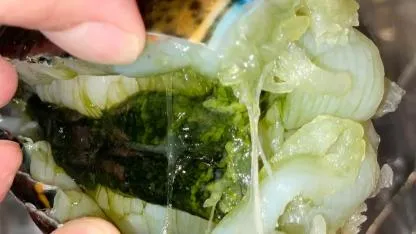
Yet invisible organisms can sometimes hide in foods that appear completely fresh, clean, and safe to eat. Among the most concerning are foodborne parasites, microscopic organisms capable of entering the human body through contaminated meals and surviving for months or even years without obvious symptoms. While modern food regulations and sanitation have greatly reduced the risk in many countries, parasites still remain a real concern worldwide.

One of the most alarming facts is that a single bite of contaminated food may carry thousands of microscopic parasites or parasite eggs. Raw fish, undercooked pork, wild game, unwashed vegetables, and contaminated water are among the most common sources. In many cases, people may never realize they were exposed until digestive issues, fatigue, or more serious complications begin to appear.
Understanding how parasites spread through food is one of the most effective ways to reduce risk. Although infections are relatively uncommon in places with strong food safety systems, poor cooking habits and unsafe food handling can still create dangerous situations. Learning which foods carry higher risk and how to prepare them safely can help protect both individuals and families from potentially serious infections.
What are foodborne parasites?
Foodborne parasites are organisms that survive by living inside another living host. Humans can become infected when they consume contaminated food or water containing parasite eggs, larvae, or microscopic cysts.
Unlike bacteria or viruses, many parasites can live inside the body for long periods of time. Some remain in the digestive tract, while others may migrate to muscles, the liver, lungs, brain, or other organs. Because of this, symptoms can vary greatly depending on the type of parasite involved.
Common foodborne parasites include tapeworms, roundworms, trichinella, toxoplasma, and anisakid worms found in seafood. Many of these organisms are invisible to the naked eye, which means contaminated food often looks and smells completely normal.
Although severe infections are uncommon in developed countries, they still occur each year and can sometimes lead to long-term health complications.
Foods most commonly linked to parasite infections
Certain foods are more likely to carry parasites than others, especially when consumed raw or undercooked. Pork is one of the most frequently discussed risks because it can contain parasites such as Trichinella spiralis, which causes trichinosis.
Raw or lightly cooked fish is another major source of concern. Sushi, ceviche, and other raw seafood dishes may occasionally contain anisakid worms or tapeworm larvae if the seafood has not been properly frozen or handled according to safety guidelines.
Wild game meat also carries risk because animals living in natural environments may harbor parasites that survive inadequate cooking temperatures. Deer, boar, and bear meat are among the most commonly mentioned examples.
Fresh fruits and vegetables may become contaminated through soil, animal waste, or unsafe water during farming and processing. Poorly washed produce can sometimes carry microscopic parasite eggs or cysts that enter the body when eaten raw.
Contaminated drinking water is another important source of infection in many parts of the world, especially in areas with limited sanitation systems.
Common parasites that infect humans through food
Several parasites are repeatedly identified by health experts as important foodborne threats. One of the best known is the tapeworm, which can enter the body through contaminated pork, beef, or fish. Some tapeworm species can grow several feet long inside the intestines.
Trichinella parasites are associated with undercooked pork and wild game meat. After entering the body, the larvae may travel into muscle tissue and cause pain, swelling, fever, and fatigue.
Toxoplasma gondii is another widely discussed parasite often linked to undercooked meat and contaminated produce. While many infections are mild, toxoplasmosis can be dangerous for pregnant women and individuals with weakened immune systems.
Anisakis worms are commonly associated with raw fish and seafood. These parasites can invade the digestive tract shortly after consumption and may cause severe abdominal pain, nausea, and vomiting.
Protozoan parasites such as Giardia and Cryptosporidium are often transmitted through contaminated water and can lead to persistent digestive illness.
Symptoms of a parasitic infection
Symptoms of foodborne parasites can range from mild discomfort to severe medical complications. In some cases, infected individuals experience no symptoms at all for extended periods.
Common early symptoms include stomach cramps, bloating, nausea, diarrhea, fatigue, loss of appetite, and unexplained weight loss. Because these symptoms overlap with many other digestive conditions, parasitic infections may go undiagnosed initially.
Certain parasites can cause more serious complications if left untreated. Some species may damage organs, affect the nervous system, or create long-term inflammation inside the body. In rare cases, parasites migrating outside the digestive tract can cause neurological symptoms, muscle pain, or vision problems. The delayed appearance of symptoms is one reason why prevention is considered especially important by public health experts.
How proper cooking reduces parasite risk
Cooking food thoroughly is one of the most effective ways to kill parasites and reduce infection risk. High temperatures destroy parasite larvae and eggs that may survive in raw or undercooked foods.
Experts recommend cooking pork, seafood, poultry, and wild game to safe internal temperatures. Using a food thermometer is one of the most reliable methods because color alone does not always indicate safety.
Freezing fish properly before serving it raw can also significantly reduce the risk of parasites in sushi and similar dishes. Commercial freezing standards are designed specifically to destroy harmful organisms.
Good kitchen hygiene is equally important. Washing hands, cleaning cutting boards, and preventing cross-contamination between raw and cooked foods can help stop parasites and other pathogens from spreading. Fresh produce should also be washed carefully under clean running water before consumption, especially if it will be eaten raw.
Why awareness about food safety still matters
Modern food safety systems have dramatically lowered the number of severe foodborne parasite infections in many countries. However, global travel, changing food trends, and the popularity of raw dishes continue to create opportunities for exposure.
Many people assume that if food looks fresh, it must be safe. Unfortunately, parasites are often microscopic and impossible to detect without laboratory testing. This is why education about safe food handling remains essential.
Restaurants, food suppliers, and health agencies play an important role in maintaining food safety standards, but individuals also carry responsibility in home kitchens. Simple habits such as proper cooking, safe storage, and careful washing of produce can greatly reduce risk.
Although foodborne parasites are relatively rare, they are still real. A single unsafe bite may not always cause harm, but understanding how infections occur can help people make safer choices and avoid potentially serious health problems in the future.






Yorumlar
Kalan Karakter: