
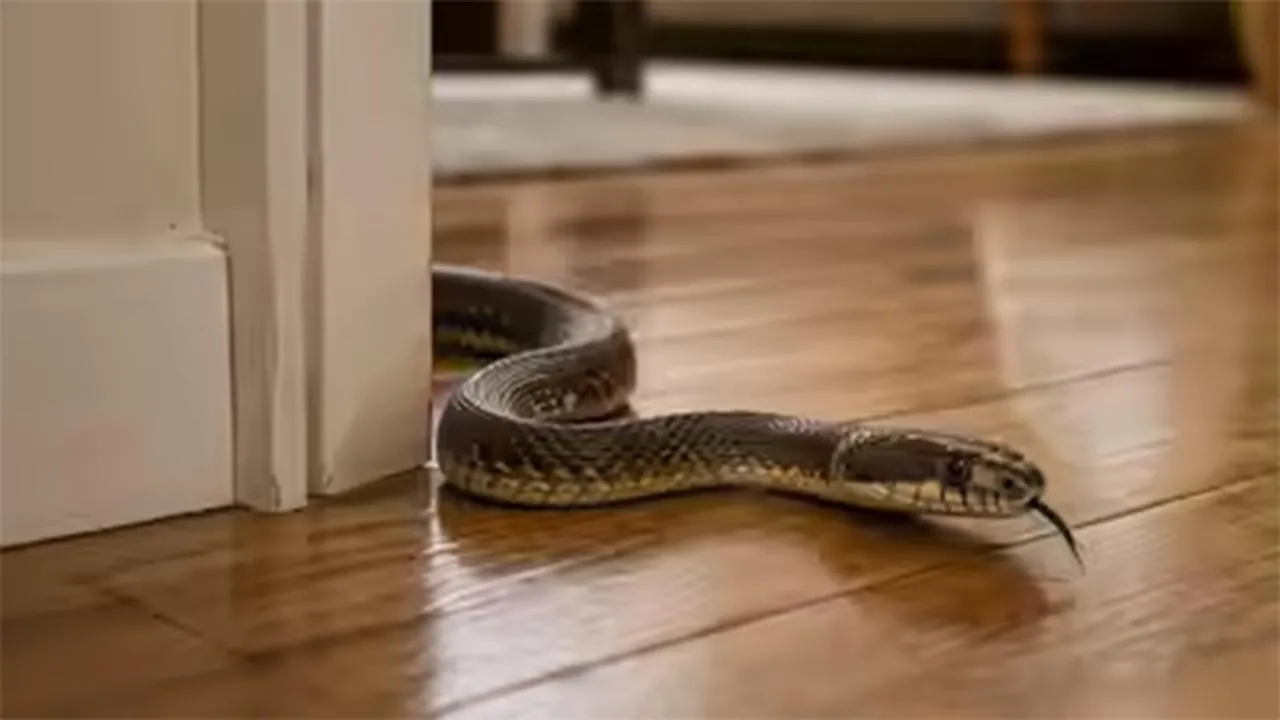
While many people immediately associate snakes with risk, the reality is that most snakes enter homes for practical reasons rather than aggressive ones. They are often searching for food, shelter, warmth, or protection from unfavorable weather conditions. Understanding these motivations can help homeowners react calmly and make informed decisions when faced with an unexpected encounter.

Snakes play an important role in local ecosystems by helping control populations of rodents, insects, and other pests. However, when they appear inside a house, they can create understandable concern for families and pet owners. Knowing why snakes enter homes, where they tend to hide, and how to prevent future visits can significantly reduce the likelihood of indoor encounters. This guide explores the most common reasons snakes enter houses and provides simple, effective strategies to keep your living space safe and snake-free.
Common reasons snakes enter homes
One of the primary reasons snakes enter homes is the search for food. Many snake species feed on rodents, insects, frogs, and other small animals. If a home has a rodent problem or attracts insects, it may also attract snakes looking for an easy meal. Even a small population of mice in a basement, garage, or attic can be enough to draw snakes closer to the property.
Another common reason is the availability of shelter. Snakes naturally seek safe places where they can hide from predators and rest undisturbed. Homes often provide ideal hiding spots, especially in areas with limited human activity. Storage rooms, basements, crawl spaces, garages, and cluttered corners can all offer the quiet conditions snakes prefer.
In some cases, snakes enter through surprisingly small openings. Cracks in foundations, gaps under doors, damaged vents, and openings around pipes can serve as entry points. Once inside, a snake may remain hidden for days before being noticed.
Weather conditions and seasonal movement
Weather plays a significant role in snake behavior. During periods of extreme heat, snakes often search for cooler and more stable environments. Likewise, cold temperatures can drive them toward warmer areas where they can conserve energy and maintain suitable body temperatures.
Heavy rainfall is another factor that frequently leads to snake sightings indoors. Flooded burrows and saturated ground can force snakes to leave their natural habitats and seek temporary shelter elsewhere. Homes, sheds, and garages may become attractive options during these conditions.
Seasonal changes can also increase snake activity. In spring and summer, snakes are generally more active as they search for food and mates. This increased movement raises the chances of accidental encounters around homes and gardens. Understanding seasonal patterns can help homeowners take preventive measures before snake activity peaks.
Places where snakes commonly hide indoors
When snakes enter a home, they usually choose locations that offer safety and minimal disturbance. Dark, quiet areas are especially attractive because they help snakes avoid detection.
Basements are among the most common indoor hiding places due to their cool temperatures and limited foot traffic. Garages are another popular choice because they often contain boxes, tools, and stored items that create excellent hiding spots. Laundry rooms, utility rooms, and crawl spaces can also provide suitable shelter.
Inside the home, snakes may hide behind furniture, appliances, or stacked storage containers. Cluttered environments make it easier for them to remain unnoticed. Regular cleaning and organization can reduce the number of potential hiding places and make it easier to identify problems before they become serious.
Safe actions to take if you find a snake
If you discover a snake inside your home, remaining calm is essential. Sudden movements can startle the animal and increase the risk of defensive behavior. Most snakes prefer to avoid confrontation and will attempt to retreat or remain hidden.
Keep a safe distance from the snake and ensure that children and pets stay away from the area. Avoid attempting to catch, touch, or corner the animal. Even nonvenomous snakes can bite if they feel threatened.
If possible, observe the snake from a safe location without approaching it. This information may be useful for wildlife professionals who respond to the situation. Contacting animal control, wildlife removal services, or local authorities is generally the safest and most effective solution. Trained professionals have the knowledge and equipment needed to remove snakes safely while minimizing stress for both people and wildlife.
Effective ways to prevent snakes from entering
Prevention is the most reliable strategy for reducing snake encounters. One of the first steps is identifying and sealing potential entry points. Inspect your home for cracks, gaps, and openings around doors, windows, vents, and utility lines. Installing weather stripping and repairing damaged screens can further improve protection.
Maintaining a clean property is equally important. Remove unnecessary clutter from basements, garages, sheds, and outdoor areas. Piles of wood, debris, and overgrown vegetation can attract rodents and provide hiding places for snakes.
Pest control is another critical factor. Since snakes are often drawn to homes by food sources, reducing rodent and insect populations can make the property less appealing. Store food properly, secure trash containers, and address any pest infestations promptly.
Outdoor maintenance can also help. Keeping grass trimmed, pruning shrubs, and removing excess vegetation near the home reduces potential shelter areas. Creating a well-maintained yard makes it more difficult for snakes to remain hidden close to the house.
Benefits of understanding snake behavior
Learning about snake behavior can reduce fear and encourage safer responses during encounters. Many people assume that all snakes are dangerous, but a large number of species are harmless and provide valuable ecological benefits. By controlling pest populations, snakes contribute to a healthier environment around homes and gardens.
Understanding that snakes generally seek food, shelter, and safety—not conflict with humans—can help homeowners approach the situation more rationally. Education also supports wildlife conservation efforts by promoting humane removal methods rather than unnecessary harm.
Snakes enter homes for several practical reasons, including the search for food, shelter, and protection from changing weather conditions. While finding a snake indoors can be unsettling, understanding the causes behind these visits makes it easier to respond safely and effectively. Most snakes are not interested in interacting with people and prefer to avoid confrontation whenever possible.
By sealing entry points, reducing clutter, controlling pests, and maintaining outdoor spaces, homeowners can significantly lower the risk of snake encounters. If a snake is discovered indoors, keeping a safe distance and contacting a wildlife professional remains the best course of action. With proper prevention measures and a calm response, it is possible to protect your home while respecting the important role snakes play in the natural environment.






Yorumlar
Kalan Karakter: