
That is why discovering something strange inside the house can instantly create concern. Even a tiny unfamiliar object can make people question whether there is a hidden problem developing behind the walls, under the floors, or inside the plumbing. One small discovery inside a bathroom recently turned an ordinary weekend into a puzzling mystery that raised questions about moisture, cleanliness, and household safety.

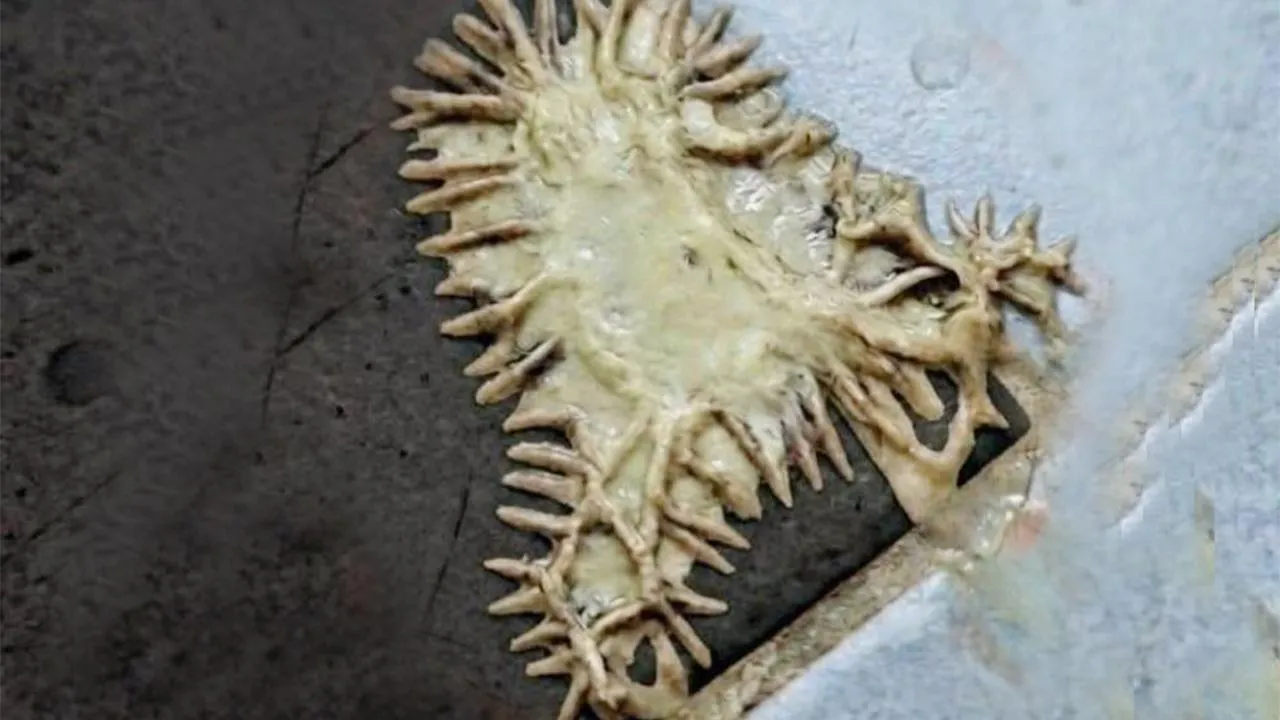
What looked like a soft and unusual patch on the bathroom floor quickly became the center of attention. Nobody recognized it immediately, and its appearance only added to the confusion. It looked damp, slightly wrinkled, and unlike anything normally found in a clean bathroom. As curiosity and concern grew, careful observation and research eventually revealed the surprising answer. The strange object was most likely slime mold caused by excess humidity and moisture buildup.
This unusual situation highlights an important lesson for homeowners. Bathrooms can easily become breeding grounds for moisture-related issues when ventilation is poor. Understanding how humidity affects indoor spaces can help prevent similar surprises while keeping your home healthier and cleaner.
Discovering the strange object
The day had started peacefully with normal household routines. There was coffee in the morning, casual conversation, and a little cleaning around the house. Nothing seemed unusual until a strange object appeared on the bathroom floor.
The mysterious patch was small but impossible to ignore. It looked soft, slightly wet, and had a pale yellow color. Its texture seemed almost gel-like, making it difficult to identify immediately. Because it appeared suddenly, the discovery naturally caused concern.
Many people react strongly when they find unfamiliar substances inside their homes. Bathrooms are expected to remain sanitary spaces, so anything unusual can trigger worries about mold, bacteria, plumbing issues, or even pests. The uncertainty surrounding the object made the situation feel even more unsettling.
Instead of touching it right away, the couple decided to inspect it carefully from a distance. This cautious approach helped them avoid unnecessary panic while gathering more information about what they were seeing.
Understanding why bathrooms develop moisture problems
Bathrooms are one of the dampest areas in any home. Steam from hot showers, poor airflow, and constant exposure to water create ideal conditions for moisture buildup. If ventilation is limited, humidity levels can rise quickly and remain trapped for long periods.
Warm and damp environments encourage the growth of many different organic substances. Mold, mildew, and slime mold can all develop when moisture combines with dust, hair, soap residue, or other organic particles commonly found in bathrooms.
One major issue is that many bathrooms lack proper ventilation systems. Some spaces have small windows that stay closed, while others rely entirely on exhaust fans that may not work effectively. Without proper air circulation, moisture settles on floors, walls, and hidden corners.
Over time, this damp environment creates the perfect conditions for unusual growths to appear. Even clean bathrooms are not completely immune because humidity alone can encourage certain organisms to grow.
Identifying slime mold inside the bathroom
After comparing photos online and researching moisture-related growths, the couple discovered that the strange patch most closely resembled slime mold.
Despite its alarming name, slime mold is generally harmless in small amounts. It is not the same as toxic black mold, although many people confuse the two. Slime mold is an organism that thrives in moist environments and feeds on organic material.
It can appear in different colors and textures depending on the environment. Some varieties look foamy, while others appear slimy or wrinkled. Bathrooms, basements, and damp corners of homes can occasionally support slime mold growth if humidity levels remain high.
The object’s soft texture, faint yellow color, and damp appearance matched common descriptions of slime mold found in humid indoor spaces. Once the moisture conditions improved, the growth was unlikely to continue spreading.
Understanding what slime mold actually is helped reduce much of the fear surrounding the discovery. In many cases, it can be cleaned safely without causing serious health concerns.
Cleaning the area safely and effectively
When dealing with any unknown substance in the home, safety should always come first. Even if slime mold is usually harmless, it is still important to clean it carefully and avoid direct contact.
Wearing disposable gloves is a smart precaution. Paper towels can be used to remove the material gently without spreading it around the bathroom. After removal, the area should be wiped thoroughly using a mild household cleaner or disinfectant.
It is also important to dry the surface completely after cleaning. Leaving moisture behind can encourage the same problem to return later.
Good ventilation plays a major role in preventing future growth. Running an exhaust fan after showers, opening windows when possible, and allowing fresh air to circulate can significantly reduce bathroom humidity. In some homes, using a small dehumidifier can also help control excess moisture, especially during humid seasons.
Preventing future bathroom humidity issues
Preventing moisture problems is much easier than dealing with recurring growth later. Simple daily habits can make a major difference in maintaining a dry and healthy bathroom environment.
Opening a window after hot showers allows steam to escape quickly. If the bathroom has an exhaust fan, it should remain on for several minutes after bathing to remove excess humidity from the air.
Regular cleaning also helps eliminate organic residue that mold and slime mold may feed on. Paying attention to corners, grout lines, and areas behind toilets or sinks can reduce hidden moisture buildup.
Checking for plumbing leaks is another important step. Small leaks under sinks or around pipes may create damp conditions that go unnoticed for weeks. Repairing these issues early can prevent larger moisture-related problems later.
Humidity monitors are inexpensive tools that help homeowners track indoor moisture levels. Keeping bathroom humidity under control improves comfort while reducing the risk of mold growth.
What first appeared to be a strange and concerning bathroom mystery eventually turned out to have a simple explanation. The unusual object was most likely slime mold caused by excess humidity and limited ventilation inside the bathroom.
Although discovering unfamiliar growth inside the home can feel alarming, situations like this often highlight manageable household conditions rather than serious dangers. Moisture control, proper airflow, and regular cleaning are usually enough to prevent these problems from returning.
This experience serves as a reminder that staying calm and investigating carefully can help turn confusion into understanding. Sometimes, the smallest surprises inside the home reveal important lessons about maintaining a healthier living space.








Yorumlar
Kalan Karakter: