
A peach may look beautiful but taste bland, an avocado may remain hard for days, or a watermelon may appear perfect on the outside while lacking sweetness inside. The good news is that choosing high-quality fruit is not based on luck. By understanding a few basic signs of ripeness and freshness, anyone can shop with confidence.
The best fruits often reveal their quality through appearance, texture, weight, and aroma. Learning what to look for can help you avoid wasted money, reduce food waste, and enjoy fruit at its peak flavor. Whether you are selecting berries for breakfast, avocados for guacamole, or melons for a summer gathering, this guide will help you identify the freshest options available. Read on to discover practical fruit selection tips that can transform every grocery shopping trip into a successful one.
Why choosing ripe fruit matters
Selecting ripe fruit is about more than taste. Properly ripened fruit contains the ideal balance of sweetness, texture, and aroma. Fruit harvested too early may never develop its full flavor, while overripe fruit can spoil quickly and become unpleasant to eat.
Choosing quality fruit also helps you save money. Fresh produce is an investment, and selecting the best items means less waste and longer shelf life. Understanding ripeness indicators allows you to enjoy fruit at its peak while maximizing its value.
How to use your senses when shopping
Your senses are the most effective tools for evaluating fruit quality.
Visual inspection is the first step. Look for vibrant colors, smooth skin, and an absence of bruises, cuts, mold, or shriveled areas. While color can indicate maturity, it should not be your only guide.
Touch is equally important. Many fruits become slightly softer as they ripen. Gentle pressure can reveal whether a fruit is ready to eat, needs more time, or has become overripe.
Smell often provides the clearest clue. Ripe fruit usually produces a sweet, pleasant fragrance. If there is little or no aroma, the fruit may be underripe. Sour or fermented odors often signal spoilage.
How to pick avocados, bananas, and mangoes
Avocados should feel firm with a slight give when gently pressed. Extremely hard avocados need more time to ripen, while mushy ones are usually overripe. Checking beneath the stem cap can also help. Green flesh underneath indicates freshness, while brown flesh suggests overripeness.
Bananas are best chosen according to when you plan to eat them. Bright yellow bananas are ready now, while green bananas require several days. Bananas with brown speckles are sweeter and excellent for baking.
Mangoes should feel slightly soft but not squishy. A sweet aroma near the stem is a reliable sign of ripeness. Since mango color varies by variety, texture and smell are often better indicators than appearance alone.
How to select the freshest berries and grapes
Berries are delicate and require careful inspection. Choose containers with bright, firm fruit and avoid any package containing mold, excessive moisture, or crushed berries. Always inspect the bottom of the container, where damaged berries often collect.
Strawberries should display a rich red color and fresh green caps. Blueberries should appear plump and firm, often with a natural powdery coating that indicates freshness.
For grapes, look for plump fruit attached securely to green stems. Brown or brittle stems suggest older grapes. Wrinkled grapes or those with soft spots should be avoided.
How to choose sweet melons and watermelon
Melons rely heavily on smell and weight as indicators of quality.
Cantaloupes should have a sweet aroma near the stem end and a golden-beige exterior. Honeydew melons are best when they display a creamy yellow tone rather than bright green coloring.
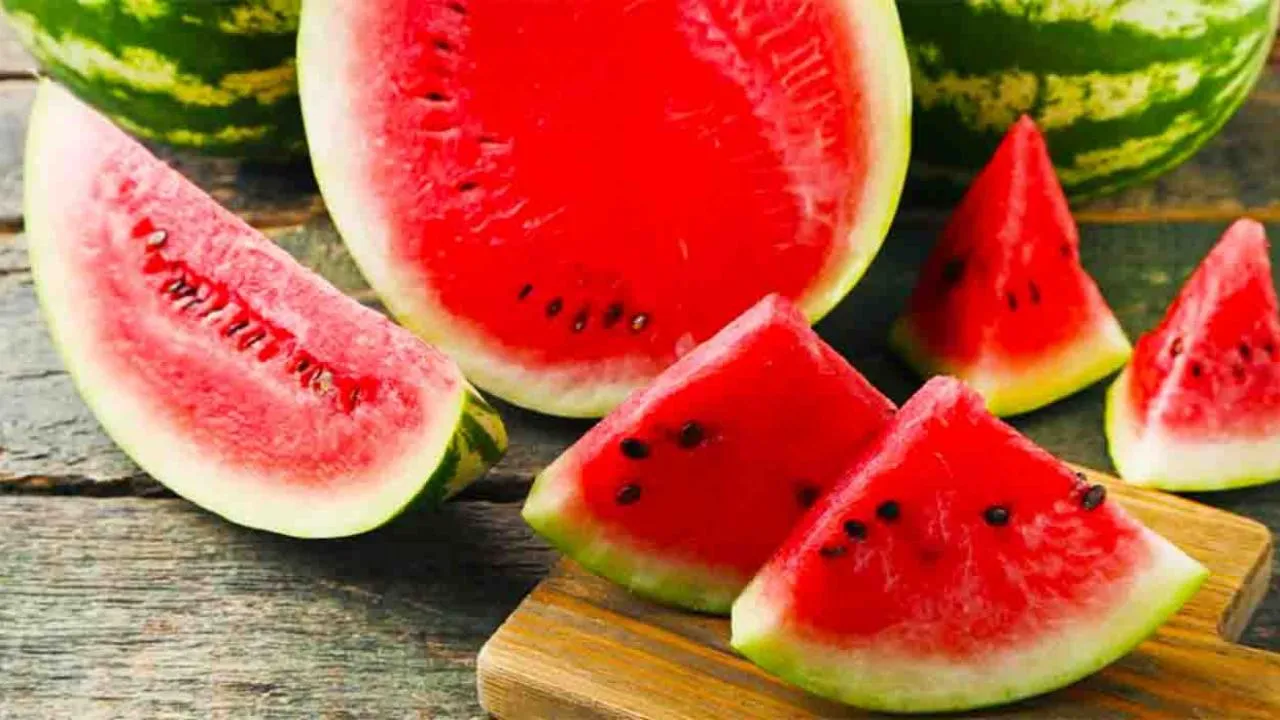
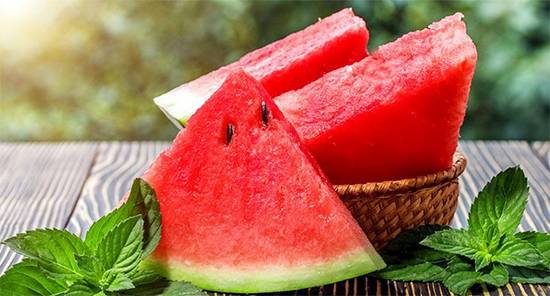
Watermelon selection often depends on three key factors. First, look for a creamy yellow field spot where the melon rested on the ground. Second, choose a watermelon that feels heavy for its size. Third, tap the melon gently and listen for a deep, hollow sound, which often indicates good ripeness.
How to identify quality citrus fruit
When shopping for oranges, lemons, limes, or grapefruit, choose fruit that feels heavy compared to its size. Extra weight typically means higher juice content.
The skin should feel relatively smooth and firm. Thick, rough skin can indicate less juicy fruit. Remember that color alone is not always reliable. Some oranges may have green patches while still being exceptionally sweet and flavorful.
A gentle squeeze should reveal slight firmness with a small amount of give. Fruit that feels excessively soft may already be deteriorating.
How to pick peaches, plums, nectarines, and pears
Stone fruits offer some of the best flavors when fully ripe. Peaches, plums, and nectarines should have a pleasant fragrance and yield slightly when pressed near the stem.
Avoid fruit with green coloring around the stem area, as this often indicates it was harvested too early. Such fruit may never develop ideal flavor and texture.
Pears require a different approach. Instead of squeezing the body of the fruit, gently press near the neck. A slight softness in this area generally indicates ripeness. Since pears ripen from the inside outward, the neck is the most accurate place to test.
How to store fruit for maximum freshness
Proper storage is essential for preserving flavor and extending shelf life.
Many fruits, including avocados, bananas, peaches, pears, mangoes, and kiwis, should remain at room temperature until they ripen. Refrigerating them too early can interfere with the ripening process.
To speed ripening, place fruit in a paper bag with a banana or apple. These fruits release ethylene gas, which naturally accelerates ripening.
Once fruit reaches peak ripeness, refrigeration can help maintain freshness. Berries, grapes, cherries, and citrus fruits typically store well in the refrigerator.
Avoid washing fruit before storage. Excess moisture encourages mold growth and can shorten shelf life. Instead, wash fruit immediately before eating.
How seasonal fruit improves flavor and value
One of the easiest ways to enjoy better fruit is to buy produce during its natural growing season. Seasonal fruit generally travels shorter distances, spends less time in storage, and develops superior flavor.
Shopping seasonally often provides better prices as well. Local strawberries, peaches, melons, and apples typically taste fresher and cost less when purchased during peak harvest periods. Checking local farmers markets and seasonal produce guides can help you identify the best fruit available throughout the year.
Choosing delicious fruit does not require expert knowledge. By paying attention to appearance, aroma, firmness, and weight, you can dramatically improve your success in the produce aisle. Simple habits such as checking for bruises, smelling the fruit, and understanding ripeness indicators can help you consistently bring home fresher, sweeter produce.
The next time you visit the grocery store, use these fruit shopping tips to select avocados, berries, melons, citrus fruits, and stone fruits with confidence. With a little practice, you'll enjoy better flavor, reduce waste, and make every fruit purchase a worthwhile one.





Yorumlar
Kalan Karakter: