
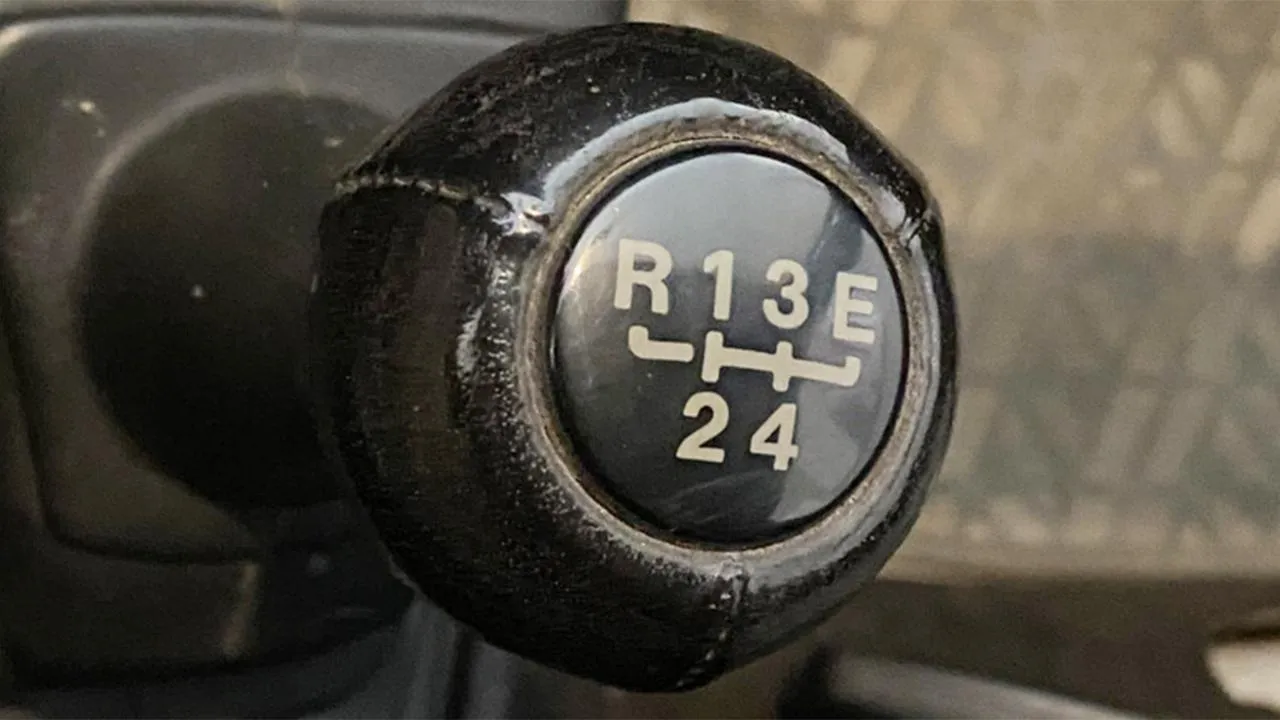
Whether driving a manual or automatic transmission, common markings such as P, R, N, and D have become second nature. However, some older vehicles included an additional and less familiar letter: “E.” While many younger drivers have never encountered it, this small symbol once played an important role in helping motorists reduce fuel consumption and improve driving efficiency.
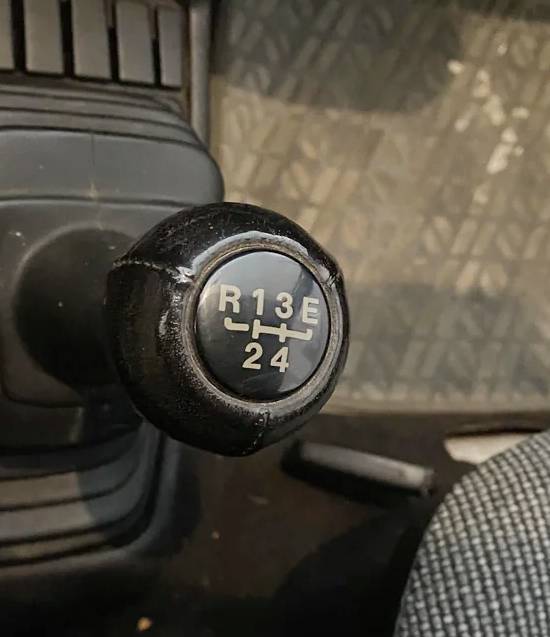
The mysterious “E” gear, short for “Economy,” was introduced during a period when fuel savings became a growing priority for both automakers and consumers. Unlike modern vehicles that automatically optimize engine and transmission performance, older cars often required drivers to manually select a setting that favored efficiency over acceleration. This simple feature helped reduce fuel usage and reflected the automotive industry's early efforts to address rising fuel costs and environmental concerns. Understanding the history and function of the Economy gear offers a fascinating glimpse into the evolution of fuel-saving technology and highlights how far modern automotive engineering has progressed.
What the “E” gear meant in older vehicles
In many older vehicles, the letter “E” stood for “Economy.” It was designed to improve fuel efficiency by changing how the engine and transmission operated. When drivers selected this mode, the vehicle prioritized lower fuel consumption rather than maximum performance.
The Economy setting often adjusted transmission shift points so that gears changed earlier. This allowed the engine to operate at lower revolutions per minute (RPM), reducing fuel usage. In some models, throttle response was also softened, meaning the engine reacted more gradually to accelerator input. These adjustments helped conserve fuel, particularly during steady driving conditions.
At a time when fuel economy was becoming increasingly important, the Economy gear provided drivers with a practical way to manage fuel costs without requiring major changes to their driving habits.
Why fuel-saving technology became important
The popularity of Economy mode was closely linked to changing attitudes toward fuel consumption. During periods of rising fuel prices and energy concerns, both manufacturers and consumers began looking for ways to improve vehicle efficiency.
Automakers responded by developing technologies that could reduce fuel use while maintaining acceptable performance levels. The Economy gear was one of the simplest and most effective solutions available at the time. It allowed drivers to actively participate in fuel-saving efforts by selecting a mode designed specifically for efficient operation.
This focus on fuel economy marked a significant shift in automotive design. Manufacturers started paying closer attention to engine management, transmission behavior, and overall vehicle efficiency, laying the foundation for many technologies used today.
How the Economy mode worked
The operation of the Economy gear varied depending on the vehicle manufacturer and transmission design. However, the primary goal remained the same: reduce fuel consumption.
In automatic vehicles, Economy mode commonly altered shift timing. Instead of allowing the engine to rev higher before changing gears, the transmission shifted earlier. Lower engine speeds typically resulted in less fuel being burned.
Some vehicles also adjusted ignition timing and throttle sensitivity. These changes encouraged smoother acceleration and minimized unnecessary fuel consumption. Drivers often noticed slower acceleration, but the trade-off was improved fuel efficiency.
For long-distance travel, these adjustments could lead to measurable fuel savings, especially when maintaining consistent speeds on highways and major roads.
When drivers used the “E” gear
Economy mode was particularly useful during highway driving and long-distance trips. Since vehicles often travel at stable speeds during these journeys, maintaining lower engine RPMs could significantly reduce fuel consumption.
Many drivers activated the Economy setting when commuting, traveling between cities, or driving on roads with minimal stop-and-go traffic. Under these conditions, the reduced throttle response was less noticeable, while the fuel-saving benefits became more apparent.
However, drivers typically switched back to normal driving modes when stronger acceleration was needed. Situations such as overtaking other vehicles, climbing steep hills, or carrying heavy loads often required greater engine performance than Economy mode could provide comfortably.
How modern vehicles replaced the old Economy gear
As automotive technology advanced, dedicated Economy gear positions gradually disappeared from most vehicles. Modern cars now use sophisticated electronic control systems capable of making efficiency adjustments automatically.
Today's engines and transmissions continuously monitor factors such as speed, throttle position, road conditions, and driving behavior. Advanced onboard computers can instantly optimize fuel delivery, gear selection, and engine performance without requiring manual intervention from the driver.
Many modern vehicles still offer an "Eco Mode" button, but its operation is far more advanced than the older Economy gear. Instead of relying solely on transmission adjustments, contemporary systems coordinate multiple vehicle components to maximize fuel efficiency.
As a result, drivers can enjoy improved fuel economy while benefiting from smoother operation and enhanced performance when needed.
How the meaning of “E” has changed over time
The automotive meaning of the letter “E” has evolved considerably. While it once represented Economy mode, many people today immediately associate the letter with electric vehicles and environmentally friendly transportation.
This shift reflects broader changes within the automotive industry. Modern manufacturers are investing heavily in electric vehicles, hybrid technology, and sustainable mobility solutions. Although the technologies are vastly different, the underlying goal remains similar: improving efficiency and reducing energy consumption.
The historical Economy gear serves as an early example of the industry's long-standing commitment to helping drivers use less fuel and operate vehicles more efficiently.
Why the forgotten “E” gear still matters
Although the Economy gear has largely vanished from modern vehicles, its significance should not be overlooked. It represents an important stage in the development of fuel-saving technology and demonstrates how automotive manufacturers responded to changing consumer needs.
The feature encouraged drivers to think about fuel efficiency long before advanced electronic systems became standard. It also highlighted the growing importance of balancing performance, comfort, and economy within vehicle design.
Today’s intelligent fuel management systems, adaptive transmissions, and Eco driving modes all owe something to these earlier innovations. The humble “E” on the gear selector may seem like a small detail, but it played a meaningful role in shaping the efficiency-focused vehicles that drivers enjoy today.







Yorumlar
Kalan Karakter: