
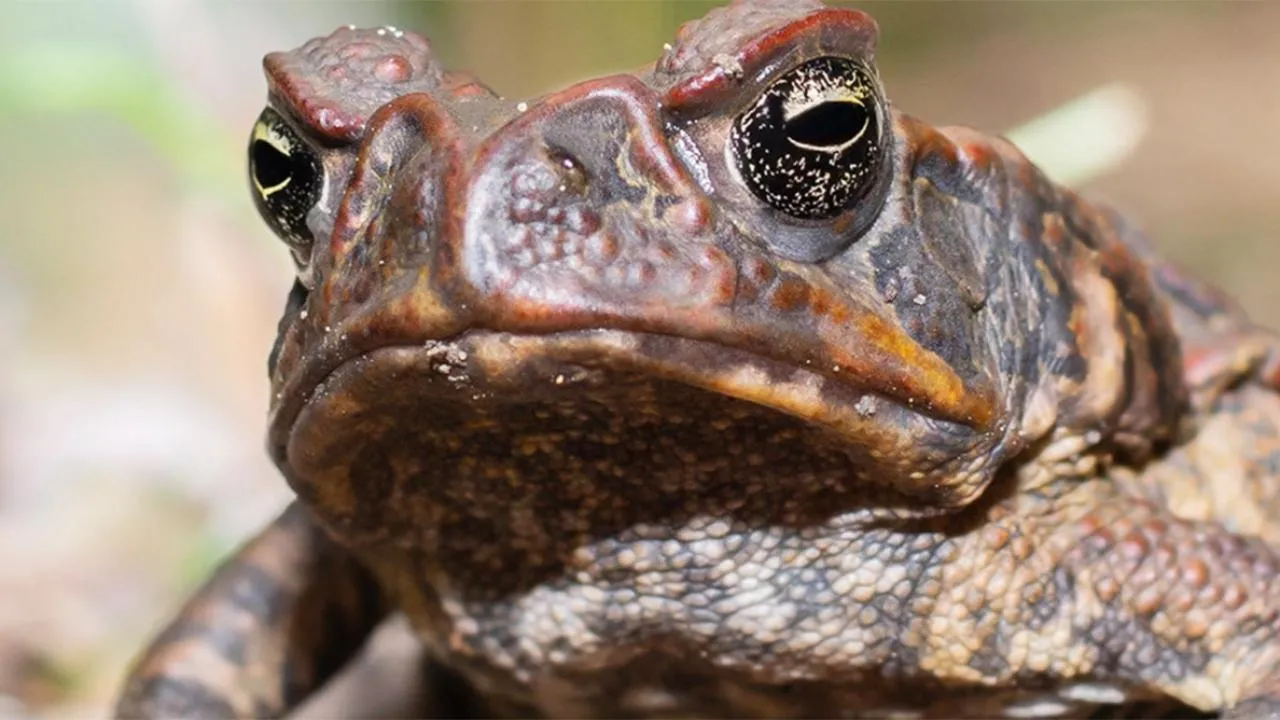
Whether it is resting in a garden bed, hiding beneath a flower pot, or appearing near a doorway after rainfall, many people wonder why these small amphibians choose to visit residential areas. While some may immediately search for spiritual meanings or superstitions, the reality is that toads are often drawn to environments that provide food, moisture, and shelter.
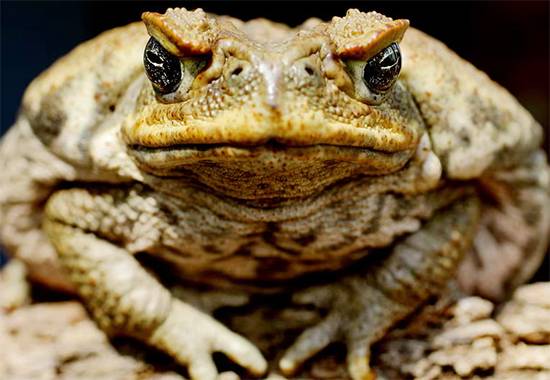
Beyond their practical reasons for appearing, toads have long held symbolic significance in cultures around the world. They are frequently associated with transformation, growth, prosperity, and adaptability. At the same time, their ecological value makes them important contributors to healthy gardens and balanced ecosystems. Understanding both the scientific and symbolic perspectives can help explain why a toad's appearance may be more meaningful than it first seems. Whether you are interested in wildlife, gardening, or cultural symbolism, learning about toads can provide a fascinating look into the connection between nature and everyday life.
Why toads are attracted to homes and gardens
Toads are naturally drawn to areas that meet their basic survival needs. One of the primary reasons they appear around homes is the availability of moisture. These amphibians thrive in damp environments and often seek out shaded locations where they can stay cool and hydrated.
Gardens provide ideal conditions because they frequently contain moist soil, dense vegetation, and sheltered hiding places. Flower beds, shrubs, mulch, and potted plants create comfortable environments where toads can rest during the day and emerge at night to hunt for food.
Another major attraction is the abundance of insects. Outdoor lights often draw mosquitoes, moths, flies, and other insects, creating an easy feeding ground for toads. If your property supports a healthy insect population, it may naturally attract these beneficial amphibians.
How toads help with natural pest control
One of the most valuable benefits of having toads around your home is their role in natural pest management. Toads consume a wide variety of insects that many homeowners consider pests.
Their diet commonly includes mosquitoes, flies, beetles, ants, slugs, and other small invertebrates. By feeding on these creatures, toads help reduce insect populations without the use of chemical pesticides. This makes them an environmentally friendly solution for maintaining a healthier outdoor space.
Gardeners often appreciate the presence of toads because they can help protect plants from certain pests that damage leaves and flowers. A single toad may consume dozens of insects in a single evening, making it a highly effective natural predator within the garden ecosystem.
Encouraging wildlife such as toads can contribute to a more sustainable and balanced environment while reducing dependence on artificial pest control methods.
What a toad says about your environment
The regular appearance of toads can be a positive indicator of environmental health. Amphibians are highly sensitive to pollution, habitat changes, and poor water quality. Because of this sensitivity, they are often considered biological indicators of ecosystem well-being.
When toads thrive in an area, it may suggest that the environment offers clean water sources, healthy soil, and sufficient biodiversity. Their presence often reflects a balanced habitat capable of supporting a variety of living organisms.
A yard that attracts toads typically contains natural features such as vegetation, moisture, and shelter. These elements not only benefit amphibians but also support birds, pollinators, and other wildlife. In this way, a visiting toad may be a sign that your outdoor space is functioning as part of a healthy ecological network.
What toads symbolize in different cultures
Throughout history, toads have appeared in folklore, mythology, and spiritual traditions across many societies. Their unique life cycle has made them powerful symbols of transformation and renewal.
Because a toad begins life as a tadpole before undergoing dramatic physical changes, many cultures associate it with personal growth, adaptation, and positive change. This symbolism often encourages individuals to embrace new opportunities and navigate life transitions with confidence.
In some traditions, toads are linked to abundance and prosperity. Certain cultural beliefs view them as symbols of good fortune, wealth, and success. Decorative toad figures are sometimes used in homes and businesses as representations of financial luck and positive energy.
Other interpretations connect toads with cleansing and renewal. Their appearance may be seen as a reminder to release old habits, embrace fresh beginnings, and remain open to personal development.
Why people believe a toad carries a message
Many people feel a sense of curiosity when an unexpected animal appears near their home. This curiosity often leads to questions about possible symbolic meanings or messages from nature.
While there is no scientific evidence that a toad's appearance predicts future events, symbolic interpretations remain meaningful for many individuals. Some view the presence of a toad as a reminder to adapt to changing circumstances, remain patient during periods of growth, or appreciate the opportunities that arise in daily life.
Nature often inspires reflection, and encountering a toad can encourage people to become more aware of their surroundings. Whether interpreted spiritually or simply appreciated as a wildlife encounter, the experience can serve as a reminder of the interconnectedness between humans and the natural world.
How to create a toad-friendly yard
If you appreciate the benefits that toads provide, there are several ways to make your outdoor space more welcoming to them. Creating a wildlife-friendly habitat can support both amphibians and other beneficial species.
Providing shaded areas with natural cover is one of the simplest steps. Rocks, logs, mulch, and dense vegetation offer protection from heat and predators. Maintaining healthy soil and avoiding excessive pesticide use can also encourage a thriving ecosystem.
Adding a shallow water source can further support amphibian populations. Even a small, clean water feature can provide valuable hydration for local wildlife.
By creating suitable conditions, homeowners can enjoy the benefits of natural pest control while contributing to biodiversity conservation.
Why toads deserve appreciation
Toads are often overlooked despite the important role they play in maintaining ecological balance. Their ability to control insect populations, support healthy gardens, and indicate environmental quality makes them valuable members of local ecosystems.
At the same time, their rich symbolic history has inspired stories, traditions, and cultural beliefs for centuries. Whether viewed through a scientific lens or a symbolic one, toads remind us of the importance of growth, adaptation, and harmony with nature.
The next time you spot a toad near your home, consider it more than just a passing visitor. It may be helping your garden flourish, contributing to a healthy environment, and offering a gentle reminder of the remarkable connections that exist throughout the natural world.






Yorumlar
Kalan Karakter: