
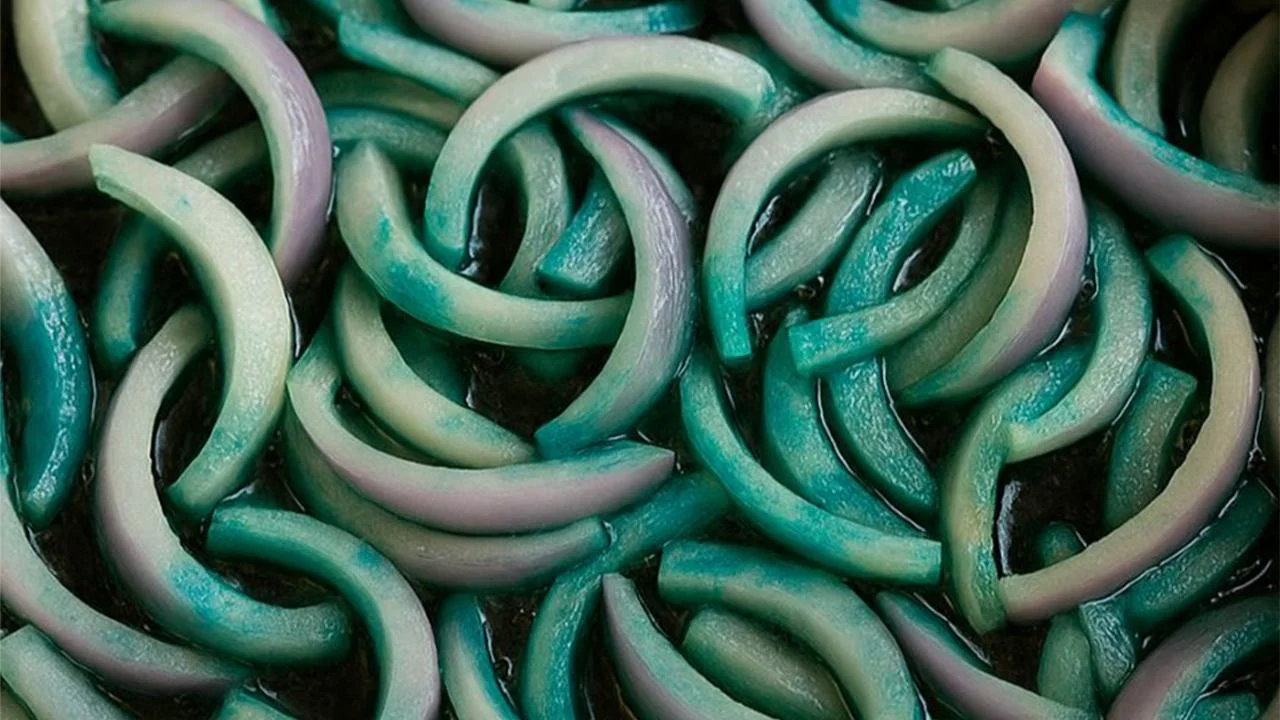
It looks unnatural, almost toxic, and can instantly make you question whether dinner is ruined. The good news is that this phenomenon is far more common than most people realize and is usually the result of simple kitchen chemistry rather than food spoilage.
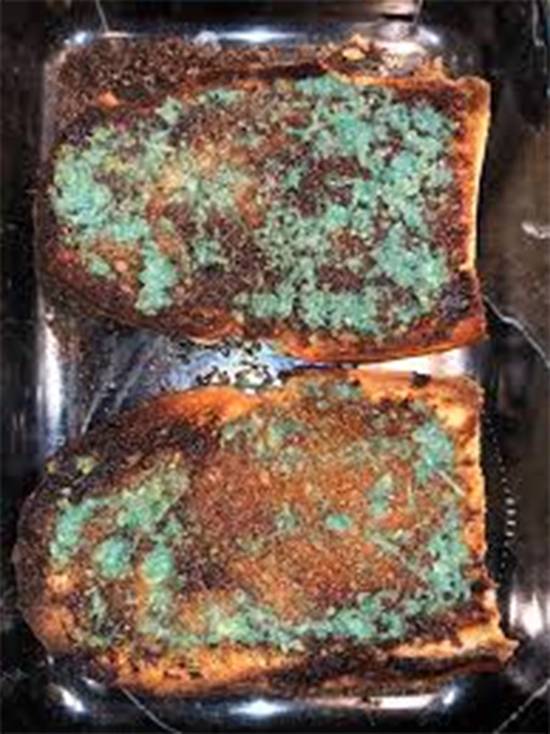
Understanding why onions change color can help you cook with more confidence and avoid unnecessary food waste. This article explains the science behind blue-green onions, the ingredients and tools that trigger the reaction, and how to tell the difference between harmless color changes and real spoilage. By the end, you’ll know exactly when to keep cooking and when to toss the pan.
Why onions suddenly turn blue-green
When onions turn blue-green during cooking, the cause is almost always a chemical reaction rather than rot or contamination. Onions contain natural pigments that respond to changes in their environment. When those pigments encounter alkaline conditions, their color can shift dramatically. This reaction may happen quickly, making it feel sudden and alarming, especially if you have never seen it before.
The science behind onion pigments
Onions, particularly red and purple varieties, contain pigments called anthocyanins. These pigments are highly sensitive to pH levels. In acidic environments, anthocyanins appear red or pink. In neutral conditions, they tend to look purple. When exposed to alkaline conditions, they can turn blue or green. Cooking can easily change the pH around onions, triggering this color shift.
How alkaline conditions develop while cooking
Alkalinity in cooking doesn’t always come from obvious sources. Even small changes in pH can affect onion pigments. Certain ingredients, cookware, or water sources can raise alkalinity just enough to cause a visible color change. Because onions cook quickly, the reaction can happen before you realize anything unusual has been added.
The role of sulfur compounds in onions
Onions are rich in sulfur-containing compounds, which are responsible for their sharp aroma and flavor. During cooking, these compounds break down and react with other substances in the pan. In some cases, sulfur compounds can interact with minerals or metals, subtly influencing the final color of the onions without affecting their safety or taste.
When tap water minerals affect onion color
Hard tap water contains minerals like calcium and magnesium. These minerals can create a slightly alkaline environment when used in cooking. If you add water to onions while sautéing or boiling, mineral-rich water can encourage anthocyanins to shift toward blue or green tones. This is more common in areas with hard water and often surprises cooks who change locations.
Why baking soda changes onion color
Baking soda is one of the most common causes of blue-green onions. It is strongly alkaline and is sometimes added to speed up softening or browning. Even a small amount can dramatically alter the pH in your pan. While baking soda can make onions cook faster, it often causes unwanted color changes and can negatively affect flavor and texture.
How cookware and utensils contribute
Certain metals can react with onion compounds during cooking. Aluminum and copper cookware are more reactive than stainless steel or enamel. If onions come into contact with these metals, especially under alkaline conditions, unusual colors may develop. Additionally, leftover residue from dishwashing detergents can raise alkalinity if cookware is not thoroughly rinsed.
Are blue-green onions safe to eat
In most cases, blue-green onions are completely safe to eat. The color change is cosmetic and chemical, not biological. If the onions smell normal, feel firm or properly cooked, and show no signs of slime or mold, they are safe for consumption. The flavor may be slightly altered, but there is no health risk from the color alone.
How to tell the difference between color change and spoilage
Real onion spoilage comes with clear warning signs. These include a sour or rotten smell, slimy texture, visible fuzzy mold, or excessive softness. Blue-green coloring without these symptoms is not spoilage. Trust your senses and look for multiple signs before deciding to discard food.
How to prevent onions from turning blue-green
To avoid unwanted color changes, use neutral cookware like stainless steel or cast iron with good seasoning. Skip baking soda unless absolutely necessary. If you live in a hard water area, consider using filtered or distilled water for cooking. Thoroughly rinse cookware to remove detergent residue before use.
Why viral kitchen hacks cause strange onion colors
Many online cooking hacks recommend alkaline additives to speed up cooking or enhance browning. While these tricks may work, they often ignore the chemistry of vegetables like onions. The result can be odd colors, mushy textures, and off flavors. Traditional cooking methods usually produce better and more predictable results.
What chefs and food scientists say
Professional chefs and food scientists view color-changing onions as a normal example of food chemistry in action. They emphasize that understanding pH reactions helps cooks improve consistency and avoid surprises. Rather than fearing these changes, learning the science behind them can make you a more confident and informed cook.
When to worry and when to keep cooking
If onions turn blue-green but smell fine and look otherwise normal, there is no need to panic. Simply continue cooking or adjust the recipe if the color bothers you. However, if unusual color appears alongside spoilage signs, it’s best to discard the food. Knowing the difference saves money, reduces waste, and keeps your kitchen stress-free.


Yorumlar
Kalan Karakter: