
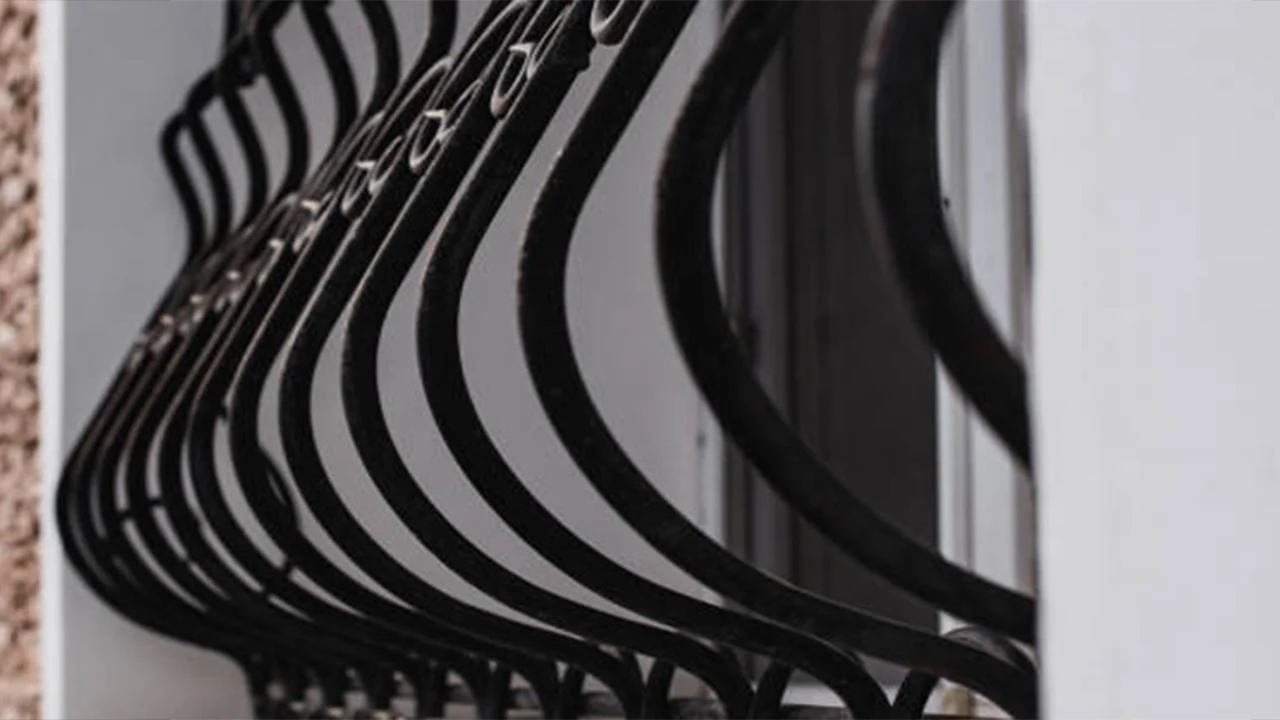
Many assume the curves exist purely for decoration, adding charm or elegance to a building’s exterior. While aesthetics do play a role, the real reason behind bottom-curved window grills goes far deeper. These architectural elements combine functionality, security, engineering strength, and cultural artistry in one thoughtful design. From improving structural durability to creating extra interior space and supporting traditional craftsmanship, curved grills serve multiple purposes that most homeowners never consider. As architecture evolves, these grills remain a popular feature in both modern and heritage homes. Understanding why they curve at the bottom reveals how design can blend beauty with practical living in surprisingly smart ways.
Enhances structural strength and durability
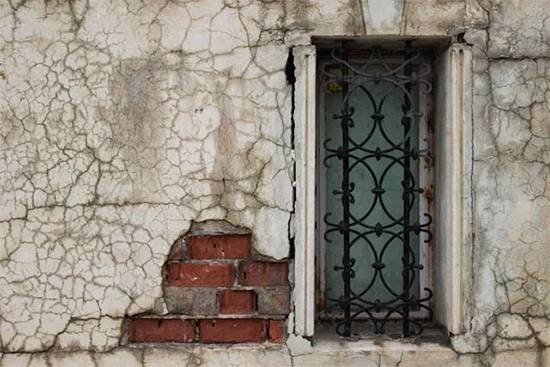
When external pressure occurs, such as strong winds, accidental impact, or attempted break-ins, the curved design absorbs and disperses stress rather than concentrating it at one point. This reduces the likelihood of bending or breakage.
Engineers and fabricators often use curved forms in bridges, gates, and railings for the same reason. The arch shape is naturally stronger than flat lines. Applying this principle to window security grills makes them more resilient and long-lasting, especially in regions with harsh weather conditions.
Improves home security features
Security is a primary function of any window grill, and curved bottom designs can enhance protection. The outward bulge makes it more difficult for intruders to gain leverage when trying to cut or pry bars apart.
Additionally, curved grills create distance between the glass window and the outer bars. This gap adds another layer of defense, making forced entry more challenging. Even if glass is broken, reaching inside becomes harder due to the extended grill structure.
Many homeowners install curved window grills specifically in ground-floor rooms or street-facing windows where security risks are higher. The design balances visibility, airflow, and safety without making the home feel closed in.
Creates extra interior space and functionality
A practical but often overlooked benefit of curved window grills is the additional usable space they create. The outward curve forms a small alcove between the window and the grill.
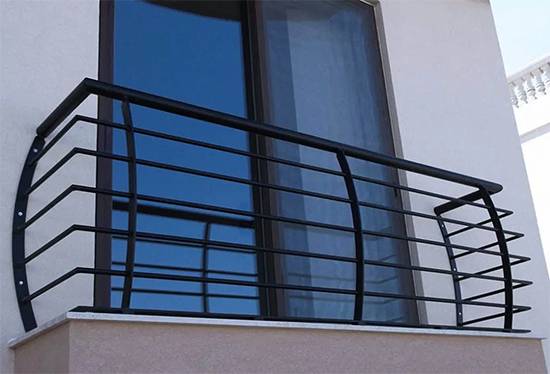
Homeowners use this space in several creative ways. It can hold potted plants, decorative items, or small storage baskets. In kitchens, the curved area is sometimes used for herbs or utensils. In apartments with limited room, this added micro-space becomes especially valuable. This design also allows windows to open more freely without obstruction, improving ventilation and natural light flow.
Adds architectural beauty and curb appeal
Curved window grills significantly enhance a building’s exterior appearance. Their flowing lines soften rigid architectural structures, creating visual balance.
Designers often incorporate arches, floral motifs, scrollwork, or geometric patterns into the curved sections. These artistic details transform basic security grills into decorative architectural elements.
Homes with ornamental curved grills tend to stand out, increasing curb appeal and perceived property value. Whether painted in matte black, bronze, or custom finishes, these grills contribute to a polished, cohesive façade.
Reflects cultural and traditional craftsmanship
In many regions, curved window grills are deeply rooted in cultural architecture. Traditional homes often feature handcrafted iron grills made by local artisans.
These designs may symbolize heritage, social status, or regional artistic identity. In Mediterranean, Middle Eastern, South Asian, and Latin architectural styles, curved grills are especially common.
Artisans use forging, welding, and hand-bending techniques to create intricate curves and patterns. Each grill can be unique, blending security with storytelling through design. Even in modern construction, homeowners sometimes choose traditional curved grills to preserve cultural character while upgrading safety.
Supports better airflow and natural light
Window grill design affects how air and light enter a space. Curved grills, because they extend outward, allow windows to open wider without obstruction from straight bars.
This improves cross-ventilation, which is essential in warm climates where airflow helps regulate indoor temperature naturally. Better ventilation reduces reliance on air conditioning and supports healthier indoor air quality. The curved spacing also allows more sunlight to filter in, brightening interiors without compromising safety.
Adapts to modern and contemporary architecture
While curved grills have historical roots, they continue to evolve with modern architectural trends. Today’s designs range from minimalist steel curves to bold geometric projections.
Architects integrate curved grills into smart home exteriors, luxury villas, and urban apartments. Powder-coated metals, stainless steel, and laser-cut patterns give the traditional curve a contemporary twist. This adaptability keeps curved window grills relevant in present-day construction, blending timeless function with modern aesthetics.
Increases property value and buyer appeal
Security and design both influence real estate value. Homes equipped with durable, well-designed window grills often appeal more to buyers.
Curved grills signal attention to detail, safety consciousness, and architectural sophistication. Potential homeowners appreciate features that combine beauty with protection, especially in family residences. Upgrading from plain bars to decorative curved grills can be a small investment that enhances overall property presentation.
Easy maintenance and long lifespan
Despite their intricate appearance, curved window grills are generally easy to maintain. High-quality metal grills are treated with anti-rust coatings, making them resistant to corrosion.
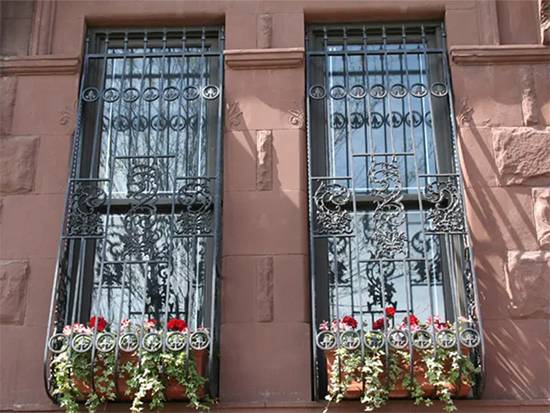
Routine cleaning and occasional repainting keep them looking new for years. Because the curved design distributes stress efficiently, these grills often experience less structural fatigue than flat bars.
This durability makes them a cost-effective long-term security solution.
Curved window grills prove that smart design can serve multiple purposes at once. What appears to be a simple decorative curve actually strengthens security, improves airflow, adds functional space, and celebrates architectural artistry. As homeowners continue seeking features that combine safety with style, bottom-curved window grills remain a practical and visually striking choice that stands the test of time.






Yorumlar
Kalan Karakter: