
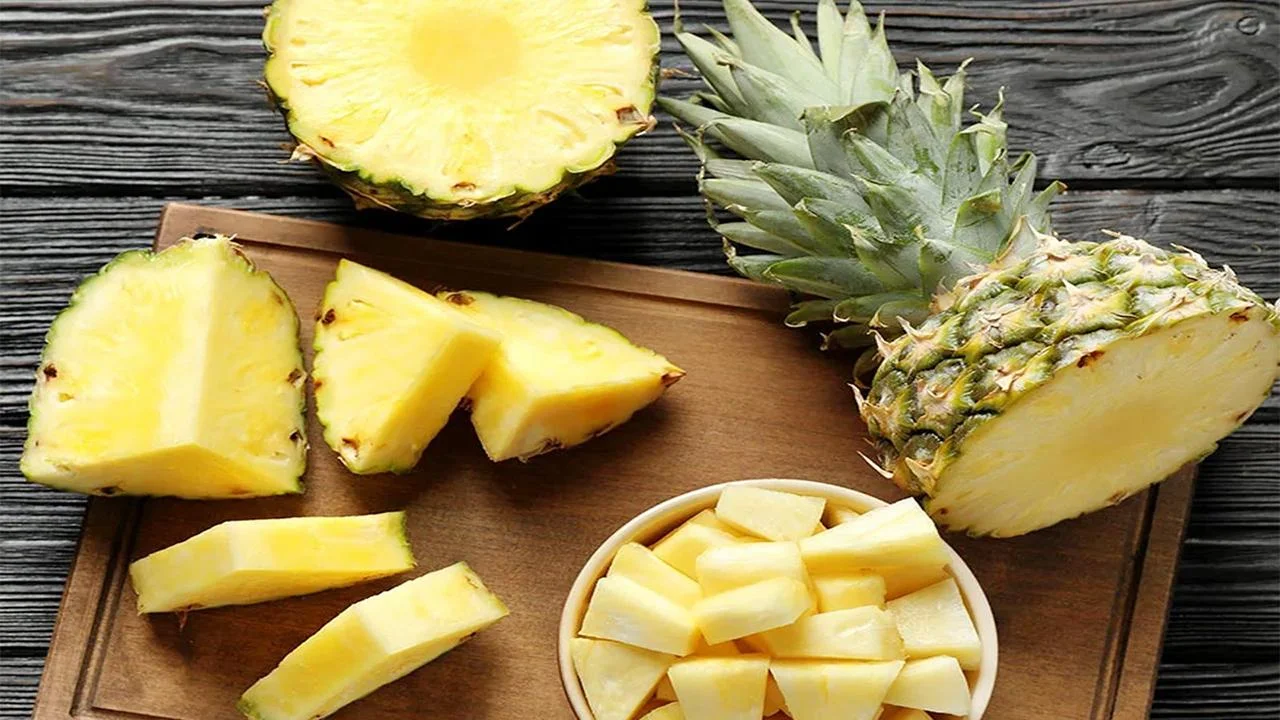
Its sweet, tangy flavor makes it a favorite in smoothies, fruit bowls, and desserts, but its real value lies in the health benefits it delivers. Eating one cup of pineapple daily can help strengthen your immune system, improve digestion, support heart health, and even enhance your skin’s appearance. Rich in vitamin C, antioxidants, fiber, and the unique enzyme bromelain, pineapple offers a natural way to nourish your body from the inside out. If you’re looking for a simple dietary habit with big wellness rewards, adding pineapple to your daily routine may be one of the easiest and tastiest choices you can make.
Boosts immune system naturally

Regular consumption of pineapple may help your body fight colds, flu, and seasonal illnesses more effectively. The antioxidants in pineapple also combat oxidative stress, which can weaken immune defenses over time. Including pineapple in your diet is a natural and refreshing way to keep your immune system strong year-round.
Supports healthy digestion
Pineapple is the only natural food source of bromelain, a powerful digestive enzyme that helps break down protein molecules. This makes digestion easier and supports better nutrient absorption, especially after protein-rich meals.
In addition to bromelain, pineapple contains dietary fiber, which promotes regular bowel movements and supports gut health. Fiber helps prevent constipation and feeds beneficial gut bacteria, contributing to a balanced digestive system. Eating one cup daily can help keep your digestive tract functioning smoothly.
Reduces inflammation in the body
Chronic inflammation is linked to many long-term health conditions, including arthritis, heart disease, and metabolic disorders. Bromelain in pineapple has been widely studied for its anti-inflammatory properties.
Consuming pineapple regularly may help reduce swelling, joint pain, and muscle soreness. Athletes often include pineapple in recovery diets because bromelain may speed healing after injuries or intense workouts. By lowering inflammation naturally, pineapple supports overall physical wellness and mobility.
Lowers risk of age-related illnesses
As we age, the body becomes more vulnerable to degenerative conditions such as macular degeneration, cognitive decline, and cardiovascular disease. Pineapple contains antioxidants like beta-carotene and polyphenols that neutralize harmful free radicals.
These compounds protect cells from damage and may slow signs of aging both internally and externally. Nutrients such as manganese and B vitamins also support brain function and metabolic health. Incorporating pineapple into a balanced diet can contribute to healthier aging and reduced disease risk.
Enhances skin health and appearance
Pineapple offers impressive beauty benefits thanks to its vitamin C and antioxidant content. Vitamin C is essential for collagen production, the protein responsible for keeping skin firm, smooth, and youthful.
Regular intake may help reduce wrinkles, improve skin elasticity, and promote a brighter complexion. Antioxidants protect the skin from environmental damage caused by UV rays and pollution. Some people even use pineapple in natural face masks, but eating it provides deeper, longer-lasting skin benefits.
Provides essential vitamins and minerals
Beyond vitamin C, pineapple delivers a wide spectrum of nutrients your body needs daily. These include thiamine, riboflavin, vitamin B-6, folate, pantothenic acid, magnesium, potassium, and manganese.
Manganese is particularly abundant in pineapple and plays a key role in bone strength, metabolism, and antioxidant defense. Magnesium supports muscle and nerve function, while B vitamins help convert food into energy. As nutrient deficiencies become more common with age, pineapple serves as a convenient, natural supplement through food.
Promotes heart health
Eating pineapple regularly may benefit cardiovascular health in several ways. Its antioxidants reduce oxidative stress in blood vessels, while potassium helps regulate blood pressure levels.
Bromelain may also prevent excessive blood clotting, improving circulation and reducing strain on the heart. Combined with its fiber content, pineapple can support healthier cholesterol levels, making it a heart-friendly fruit choice.
Helps maintain healthy weight
Despite its sweet taste, pineapple is relatively low in calories and high in water content. This makes it a satisfying snack that can curb sugar cravings without derailing weight management goals.
Fiber helps you feel full longer, reducing overeating. Replacing processed desserts with fresh pineapple can support healthier eating habits while still satisfying your sweet tooth.
Easy ways to add pineapple to your diet
Incorporating one cup of pineapple daily is simple and versatile. You can add fresh chunks to smoothies, yogurt, oatmeal, or salads. Pineapple also pairs well with grilled dishes, salsas, and tropical fruit bowls.
For maximum nutritional value, choose fresh or frozen pineapple without added sugar. Canned varieties can be enjoyed occasionally but may contain syrup that increases calorie intake.
Adding pineapple to your daily routine is a small dietary change with significant health rewards. From improved digestion and immunity to glowing skin and reduced inflammation, this tropical fruit proves that good nutrition can also be delicious.






Yorumlar
Kalan Karakter: