
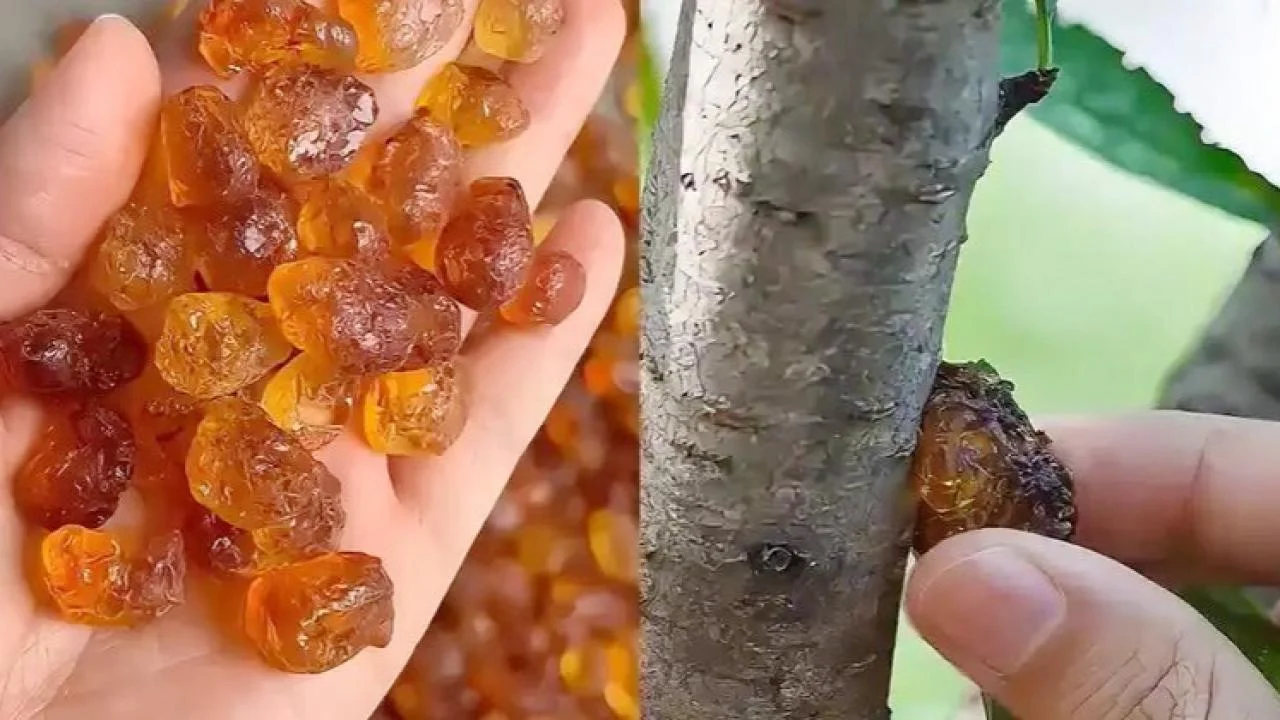
Formed naturally when peach trees release sap to heal environmental stress or bark injury, this golden resin dries into crystal-like chunks that transform when soaked. Once rehydrated, it expands into a soft, jelly-like ingredient prized for both culinary and therapeutic use.
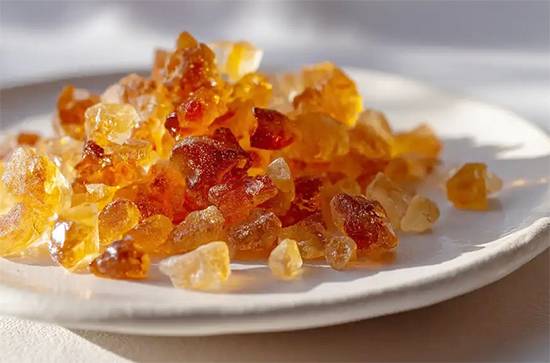
For generations, Tao Jiao has been simmered into sweet soups, herbal tonics, and summer desserts believed to promote skin radiance, hydration, and internal balance. Today, as global interest in plant-based remedies and collagen-support foods rises, peach resin is gaining renewed popularity. Its mild taste, soothing texture, and traditional wellness associations make it an appealing addition to modern diets. Below is a closer look at its most talked-about benefits and how to prepare it safely at home.
Skin-supporting properties
One of the most celebrated peach tree resin benefits relates to skin vitality. Rich in natural plant polysaccharides, Tao Jiao is traditionally associated with improved skin hydration and elasticity. Many wellness enthusiasts describe it as a plant-based collagen alternative that helps maintain a supple, youthful appearance. While not a replacement for medical skincare, its hydrating compounds may support skin moisture from within when consumed regularly as part of a balanced diet.
Digestive comfort and gut support
Peach resin’s soft, gelatinous consistency makes it gentle on the digestive system. In traditional Chinese dietary therapy, it is often used to soothe mild stomach discomfort, bloating, or dryness in the intestines. Its fiber-like polysaccharides may help support gut lubrication and smoother digestion, making it a popular ingredient for individuals seeking mild, food-based digestive support.
Hydration and body fluid balance
Because soaked Tao Jiao retains large amounts of water, it is commonly consumed during hot or dry seasons. Sweet peach resin soups are believed to replenish fluids, ease internal dryness, and promote overall hydration. This makes it especially valued in summer wellness recipes and traditional cooling desserts.
Cooling effect in traditional Chinese medicine
Within Traditional Chinese Medicine (TCM) philosophy, foods are categorized by energetic properties. Peach tree resin is considered a cooling ingredient, meaning it may help balance excess internal heat. It is often consumed during warm weather or when individuals experience heat-related discomfort such as dry throat, irritability, or restlessness.
Antioxidant and anti-inflammatory potential
Emerging nutritional interest in plant resins highlights their antioxidant content. Antioxidants help neutralize free radicals, which contribute to cellular aging and inflammation. While research on Tao Jiao specifically is still developing, its traditional use aligns with broader evidence that plant-derived gums and resins can support inflammatory balance and cellular protection.
Immune system support
Foods rich in antioxidants and plant polysaccharides are often linked to immune resilience. Regular consumption of peach tree resin in tonics or soups is traditionally believed to strengthen the body’s defenses over time. Though not a cure or treatment, it may complement a nutrient-rich diet aimed at long-term immune health.
Women’s wellness traditions
Historically, Tao Jiao has been used in Chinese households as a beauty and women’s wellness food. It is frequently paired with red dates, goji berries, and longan — ingredients associated with blood nourishment and hormonal balance in traditional practice. Many people consume these sweet tonics for complexion support and monthly cycle comfort.
Weight management and satiety
Naturally fat-free and low in calories, peach tree resin can add volume and texture to meals without increasing sugar or fat intake. Its jelly-like structure promotes a feeling of fullness, which may help reduce overeating when incorporated into balanced desserts or snacks.
Joint and connective tissue support
Because Tao Jiao contains collagen-like plant compounds, it is sometimes associated with joint comfort and flexibility. While it does not contain animal collagen, its polysaccharide matrix may support connective tissue hydration, which plays a role in joint mobility.
Sleep and relaxation support
Some traditional users report a mild calming effect when peach resin is consumed in warm evening soups. When paired with ingredients like lotus seeds or red dates, it is often included in bedtime tonics designed to promote relaxation and improved sleep quality.
Throat and respiratory soothing effects
Peach tree resin soups are commonly used to ease throat dryness and mild coughs, particularly in dry climates or during seasonal transitions. Its slippery texture helps coat the throat, offering temporary soothing relief.
How to prepare peach tree resin safely
Proper preparation is essential when using Tao Jiao.
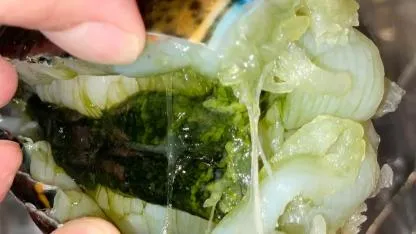
Begin by measuring about one tablespoon of dried resin. Soak it in clean water for 10 to 12 hours, preferably overnight. During this time, the resin will expand up to ten times its original size and develop a jelly-like consistency.

After soaking, remove any dark particles or bark debris. Rinse thoroughly before cooking. Peach resin should never be eaten raw, as soaking and simmering are necessary for safe consumption and proper texture.
Traditional sweet soup recipe
A classic way to enjoy peach tree resin is in sweet herbal soup. Add the soaked resin to a pot of water along with rock sugar, red dates, goji berries, or dried longan. Simmer gently for 20 to 30 minutes until all ingredients soften. This dessert can be served warm in winter or chilled in summer.
Modern recipe variations
For a creamy twist, simmer soaked resin and add coconut milk, almond milk, or oat milk. Lightly sweeten with honey or maple syrup. The result is a dairy-free wellness dessert rich in texture.
You can also blend cooked peach resin into fruit smoothies. It pairs well with mango, pear, or berry blends, adding hydration and a subtle jelly consistency without altering flavor significantly.
Storage and safety tips
Once soaked and cleaned, peach tree resin can be stored in an airtight container in the refrigerator for up to three days. Always cook before consuming. Discard immediately if any sour smell or unusual texture develops.
Individuals with plant resin allergies, digestive disorders, or chronic health conditions should consult a healthcare professional before adding Tao Jiao to their diet.
Cultural significance and modern appeal
Beyond its nutritional intrigue, peach tree resin reflects a deeper culinary philosophy rooted in balance and gentle nourishment. It symbolizes the harmony between nature’s self-healing processes and human wellness traditions.
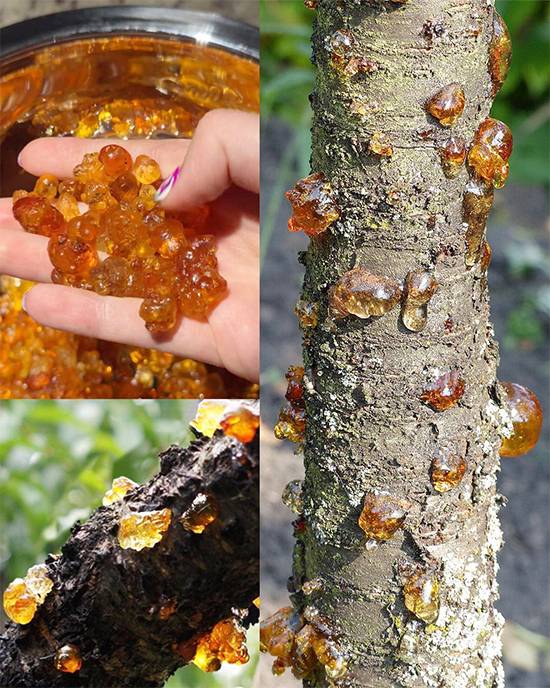
As interest in natural beauty foods, herbal soups, and plant-based collagen alternatives grows, Tao Jiao continues to bridge ancient wisdom and modern wellness trends. Its appeal lies not in bold taste but in subtle nourishment — a reminder that some of the most valued health traditions are slow, simple, and time-honored.





Yorumlar
Kalan Karakter: