

From garlic butter shrimp and creamy pasta to spicy tacos and elegant shrimp cocktails, it’s a versatile ingredient that works for casual dinners and special occasions alike. But if you’ve ever peeled a shrimp and noticed a dark line running along its back, you’ve probably wondered what it is and whether you should remove it. Many people call it the “shrimp vein,” but the truth is more interesting than the name suggests. Some cooks insist you must devein shrimp every time, while others say it’s unnecessary. In this article, you’ll learn exactly what the shrimp vein is, whether it’s safe to eat, how it impacts flavor, and how to devein shrimp properly so your seafood dishes look and taste their best.
Understanding what the shrimp “vein” really is
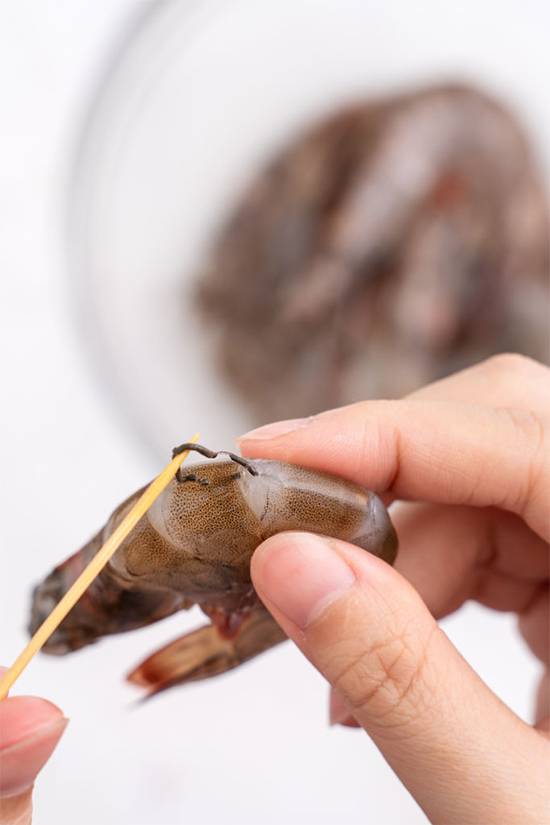
This digestive tract runs along the upper curve of the shrimp’s body and may contain leftover material from what the shrimp recently ate. Depending on the shrimp’s diet and environment, the contents can include tiny bits of algae, plankton, sand, or mud. That is why the line may look dark brown, black, or sometimes even greenish.
In many cases, the “vein” is barely noticeable. In other cases, especially with larger shrimp, it can be thick, dark, and easy to spot. The size and color of the tract often depend on the shrimp species, where it was harvested, and how recently it fed.
Is it safe to eat shrimp without deveining it
A common question is whether eating shrimp with the vein is dangerous. The simple answer is that it is generally safe to eat shrimp that has not been deveined, as long as the shrimp is fresh and cooked properly. Cooking shrimp to a safe temperature reduces the risk of harmful bacteria, and the digestive tract itself is not considered toxic.
That said, food safety is only one part of the decision. Even though it is safe, it may not be pleasant. The digestive tract can contain gritty particles such as sand, which can affect the eating experience.
For people who are sensitive to texture or who prefer cleaner-tasting seafood, removing the shrimp vein is often worth the effort. For others, especially when cooking small shrimp, leaving it in may not make a noticeable difference.
What happens if you eat the black line in shrimp
If you accidentally eat shrimp without removing the vein, you do not need to worry. Most people will not experience any negative health effects. However, there are a few common reasons why people prefer to remove it.
The most noticeable issue is texture. If the digestive tract contains sand or grit, it can feel crunchy or grainy, which stands out against the tender shrimp meat. This can be especially unpleasant in dishes where shrimp is meant to be soft and delicate.
Flavor is another factor. Sometimes the contents of the digestive tract can create a slightly bitter or muddy taste. While this does not happen every time, it can affect recipes where shrimp is lightly seasoned or served with subtle flavors.
In rare situations, individuals with very sensitive digestion may feel mild discomfort, but this is uncommon. Most of the time, the decision comes down to preference, presentation, and the type of dish you are preparing.
When you should remove the shrimp vein
Deveining shrimp is not always required, but there are times when it makes a big difference. If you are cooking large shrimp, jumbo shrimp, or prawns, the digestive tract is more visible and more likely to contain noticeable grit. In these cases, removing it improves both taste and appearance.
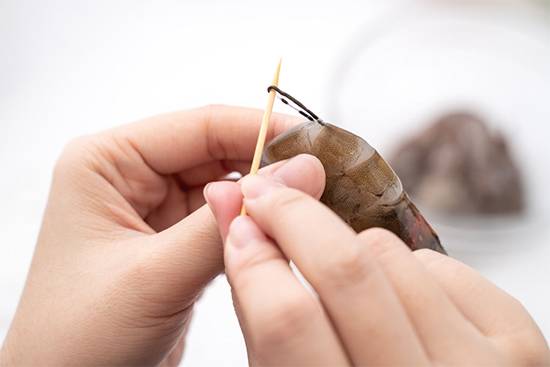
Deveining is also recommended when shrimp is served in a way where presentation matters. For example, shrimp scampi, grilled shrimp skewers, shrimp cocktail, and butter-poached shrimp look more appealing when the back is clean.
If you are serving shrimp to guests, deveining is usually a good idea. It is a small detail, but it shows care and attention in your cooking. Many people are not bothered by the vein, but some diners find it unpleasant once they notice it.
When leaving the vein in shrimp is perfectly fine
There are many situations where leaving the shrimp vein intact is not a big deal. Small shrimp, such as those used in stir-fries, fried rice, dumplings, or seafood soups, often have a very thin digestive tract that is hard to see and unlikely to affect texture.
In heavily seasoned dishes, such as spicy curries, gumbo, or breaded fried shrimp, the flavor difference is usually minimal. If you are cooking a large batch and want to save time, it can be reasonable to skip deveining small shrimp.
Many frozen shrimp products are already peeled and deveined, but not all. Always check the packaging if you want to save prep time. Labels like “EZ peel,” “peeled and deveined,” or “P&D” can help you quickly identify what you’re buying.
How the shrimp vein affects flavor and texture
Even though the shrimp vein is not dangerous, it can impact the overall quality of your dish. The main issue is the possibility of grit, which can create an unpleasant crunch. This is especially noticeable in dishes where shrimp is lightly cooked, such as sautéed shrimp or shrimp served chilled.
The second issue is taste. The digestive tract may contain material that adds a slightly earthy or bitter flavor. While some people may not notice it, others find it distracting.
If your goal is restaurant-quality shrimp, removing the vein helps create a cleaner, sweeter seafood flavor. It also improves the appearance of shrimp in clear sauces, creamy pasta, or elegant plating.
Step-by-step guide to deveining shrimp easily
Deveining shrimp is simple and does not require special equipment. You can do it with a small knife, a toothpick, or even a shrimp deveiner tool if you cook shrimp often.
For raw shrimp, start by rinsing the shrimp under cold water. Peel it if needed, leaving the tail on if you want a nicer presentation. Use a small paring knife to make a shallow cut along the back of the shrimp from the head end to the tail. You will see the dark line. Use the tip of the knife or a toothpick to lift it out and discard it. Rinse the shrimp again to remove any remaining residue.
For cooked shrimp, deveining is possible but more difficult because the flesh is firmer and the tract may break apart. If you plan to devein, it is best to do it before cooking for the cleanest result.
The other line in shrimp you can ignore
Some people notice another line along the underside of the shrimp and assume it also needs to be removed. This lower channel is not the digestive tract. It is often a harmless internal structure and does not contain waste.
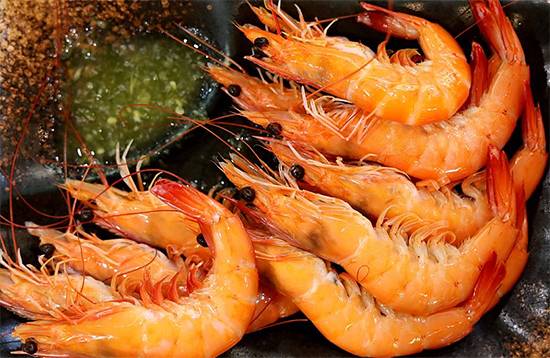
In most cases, you do not need to remove anything from the underside of the shrimp. It does not affect flavor, texture, or safety. The line that matters for cleaning is the one along the back, which is the digestive tract.
Tips for buying shrimp that is easier to clean
Choosing the right shrimp can make prep much faster. If you want convenience, look for shrimp labeled “peeled and deveined.” This option costs a bit more, but it saves time and effort, especially for weeknight meals.
If you want the best flavor, many chefs prefer shell-on shrimp because the shell helps protect the meat and can improve taste. Shell-on shrimp also works well for making shrimp stock. You can peel and devein them yourself for the freshest results.
Pay attention to shrimp size as well. Large shrimp are easier to devein because the tract is more visible. Very small shrimp can be tedious to clean individually, so buying them already cleaned is often the better choice.
The shrimp “vein” may look unappetizing, but understanding what it is makes it much less intimidating. It is not a blood vein at all, but the shrimp’s digestive tract. Eating it is usually safe if the shrimp is fresh and properly cooked, but it can sometimes add grit or a bitter taste. Removing it is a simple step that improves flavor, texture, and presentation, especially when cooking large shrimp or serving guests. Whether you choose to devein shrimp every time or only for certain dishes, knowing the facts helps you cook with confidence and enjoy better seafood meals at home.




Yorumlar
Kalan Karakter: