

Unlike dogs, cats rarely show love through loud, obvious gestures. Instead, they communicate through small behaviors that carry big meaning. One of the most charming examples is the gentle headbutt your cat gives you when you’re sitting on the couch, walking through the house, or even just standing still for a second. It can feel random, but it isn’t. This simple action is actually a strong social signal that says your cat feels safe with you. In many cases, it also means your cat considers you part of their trusted “family.” Once you understand the real reason behind cat headbutting, you’ll start seeing it as one of the most loving things your cat can do.
What cat headbutting really means
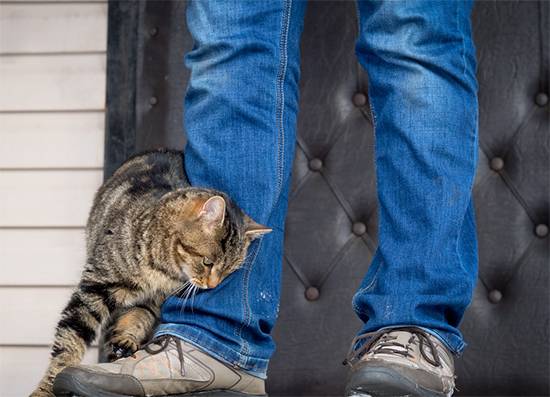
If your cat headbutts you regularly, it usually means they feel relaxed in your presence. It can also be a greeting, similar to how cats may rub against each other after being apart. Many cat owners notice headbutting happens most often when they come home, wake up, or sit down after moving around. In those moments, your cat may be saying, “I’m happy you’re here.”
Why cats headbutt as a form of scent marking
One of the most important reasons cats headbutt people is scent marking. Cats have scent glands on their cheeks, forehead, chin, and around the mouth. When they rub or bump their head on you, they are leaving their scent behind. This scent is not about claiming territory in an aggressive way. Instead, it is a social and emotional message.
In the cat world, scent is a key part of recognition and bonding. Your cat’s scent helps create a feeling of “home” and safety. By marking you, your cat is mixing your scent with theirs, which reinforces familiarity. This is why many experts describe cat bunting as the feline version of a kiss. It is also why cats may headbutt you and then headbutt furniture, doorways, or other pets right afterward. They are building a comforting scent map of their environment.
How cat pheromones support bonding and calm behavior
Cat headbutting is closely linked to pheromones, which are natural chemical signals animals use to communicate. The facial pheromones released during bunting are often associated with calm, comfort, and emotional security. When your cat rubs their face on you, they are spreading these calming pheromones and reinforcing a positive association.
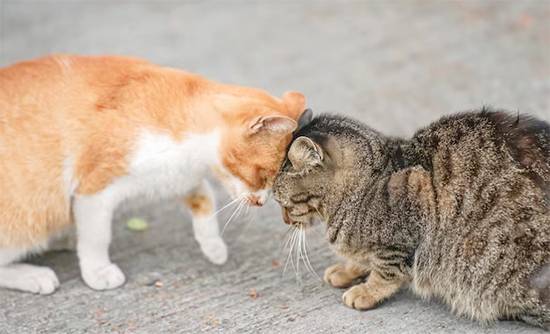
This is also why cats may headbutt more often when they feel safe and content. It can happen during quiet moments, like when you are watching TV or reading. It can also happen after you pet them in a way they enjoy. In many cases, headbutting is part of a larger routine that includes purring, slow blinking, or curling up nearby. These behaviors work together to strengthen the bond between cat and human.
Signs your cat headbutts because they trust you
A cat that headbutts you as an affectionate gesture will usually show relaxed body language. Their eyes may look soft or half-closed, and their movements will be gentle and confident. Many cats purr while bunting, and some will even lean their whole body against you afterward. You may also see slow blinking, which is another strong sign of trust and affection.
Other positive signs include kneading with their paws, wrapping their tail loosely around your arm, or following you calmly from room to room. When these behaviors happen alongside headbutting, it is a clear signal your cat feels emotionally safe with you. This is especially meaningful because cats are selective with their affection. They do not bond deeply with every person they meet, so being chosen is a big deal.
When headbutting may mean your cat wants something
Not every headbutt is purely emotional. Sometimes, cat headbutting is also a way to get your attention. Your cat may have learned that a gentle bump makes you respond faster than meowing. If your cat headbutts you and then walks toward the kitchen, they might be asking for food. If they headbutt you near the door, they may want to go into another room or explore.
Cats are smart, and they often combine affection with communication. Even when a headbutt is a request, it still carries warmth. Your cat is choosing a friendly, peaceful method to interact with you rather than acting out or becoming stressed. It is their way of saying, “Hey, I trust you enough to ask.”
Differences between cat headbutting and aggressive behavior
Cat headbutting is gentle, controlled, and usually paired with relaxed behavior. Aggression looks very different. If your cat is uncomfortable, they may flick their tail quickly, flatten their ears, tense their body, or back away. A stressed cat might also swat, growl, or bite, especially if they feel trapped or overstimulated.
It is important to pay attention to context. If your cat bumps you lightly and then rubs their cheek, that is affectionate bunting. If your cat charges forward with stiff posture, wide eyes, and a twitching tail, that is not the same thing. Understanding the difference helps you respond appropriately and maintain a trusting relationship.
Why big cats also headbutt to show connection
This behavior is not limited to domestic cats. Many big cats, including lions, show similar gestures within their social groups. Lions often rub heads and nuzzle members of their pride as a bonding ritual. It helps reinforce group identity and connection.
Seeing this behavior in both wild and domestic cats shows how deeply rooted it is in feline communication. Whether it is a lion greeting a pride mate or your house cat greeting you after a nap, the message is similar. It signals closeness, familiarity, and social belonging. In a way, your cat is treating you like a trusted companion, not just someone who provides food.
How to respond when your cat headbutts you
The best response is simple and calm. Let your cat initiate the interaction and avoid sudden movements. You can gently pet them on the cheeks, chin, or forehead if they enjoy it. Many cats also respond well to slow blinking, which is a friendly feline signal that means you are safe and relaxed.
You can also offer your hand for them to rub against, allowing them to control the contact. Avoid forcing kisses or hugs in the moment, because some cats become overstimulated even when they are affectionate. If your cat headbutts you and then stays close, it is often an invitation for gentle bonding. Respecting your cat’s boundaries will make them more likely to repeat this behavior in the future.
What it means if your cat never headbutts you
Some cats are affectionate in quieter ways and may never headbutt. Personality, early socialization, and comfort levels all play a role. A cat might show love through following you, sleeping nearby, chirping softly, or sitting in the same room without demanding touch. These are still strong signs of attachment.
If your cat does not headbutt, it does not mean they dislike you. It simply means their preferred love language is different. The best approach is to observe what your cat enjoys and build trust through consistency. Over time, some cats become more physically affectionate as they feel safer.
Cat headbutting is one of the clearest signs that your cat trusts you and feels emotionally connected. It is a blend of affection, scent marking, and social bonding that has deep roots in feline behavior. When your cat gently bumps you with their head, they are not being strange or clumsy. They are communicating in the most natural way they know. They are telling you that you belong in their world, that you are safe, and that you are part of their inner circle. If you respond with calm attention and respect, you will strengthen that bond even more, one sweet headbutt at a time.





Yorumlar
Kalan Karakter: