
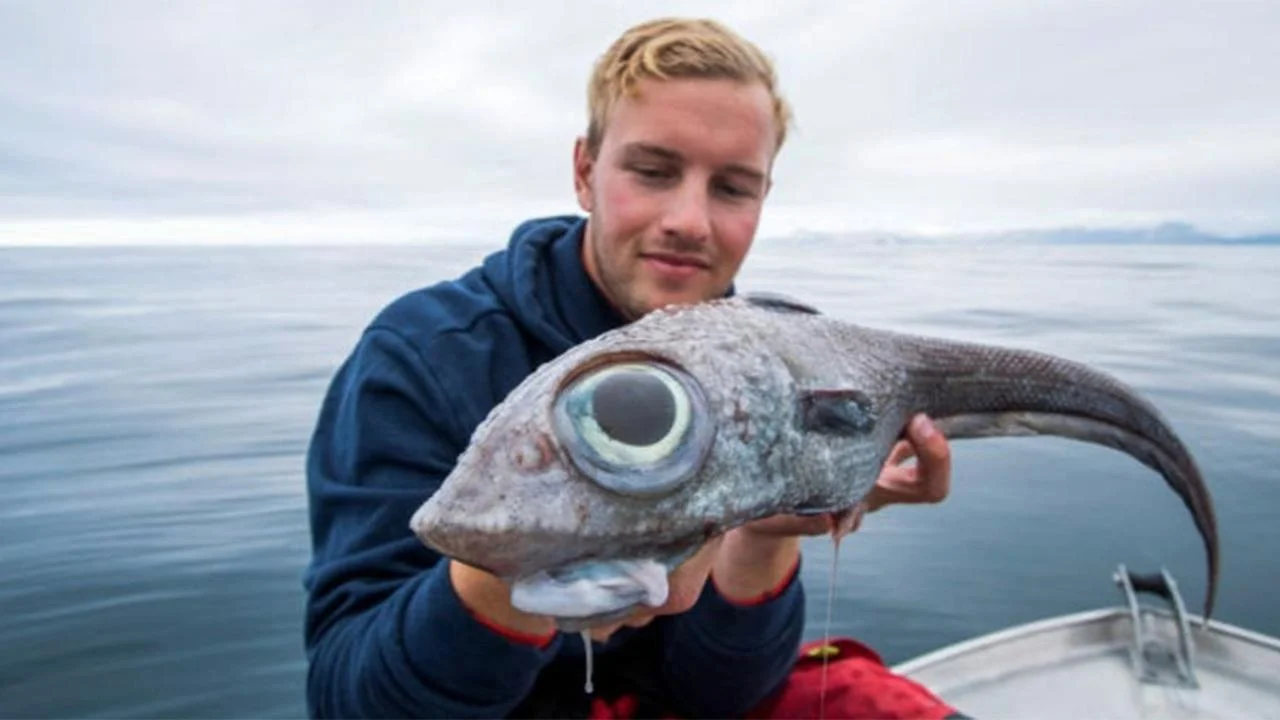
Such was the case when a 19-year-old fisherman in Norway hauled up an extraordinary animal known as the mouse fish, or ratfish. This rare deep-sea species, whose lineage stretches back roughly 300 million years, looks like something from a prehistoric age. With its oversized eyes, smooth body, and eerie appearance, the fish immediately sparked curiosity among anglers, scientists, and marine life enthusiasts alike. More than just a strange catch, this encounter offers a fascinating glimpse into deep-sea ecosystems, evolutionary history, and the fragile balance of life far below the ocean’s surface.
The discovery that shocked Norwegian waters
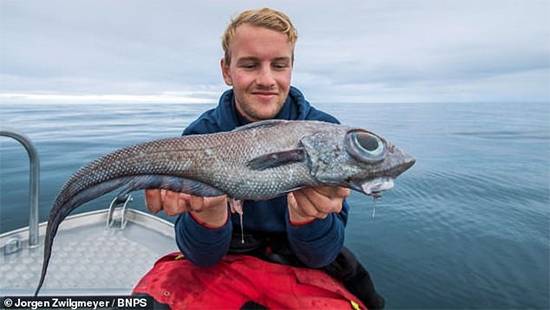
The creature’s pale body, large reflective eyes, and unusual shape immediately stood out. Even seasoned anglers nearby were surprised. One colleague quickly identified it as a ratfish, commonly referred to as a mouse fish. Such encounters are extremely rare because these fish typically remain far beyond the reach of conventional fishing gear, living in deep, cold waters where sunlight barely penetrates.
The ancient origins of the mouse fish
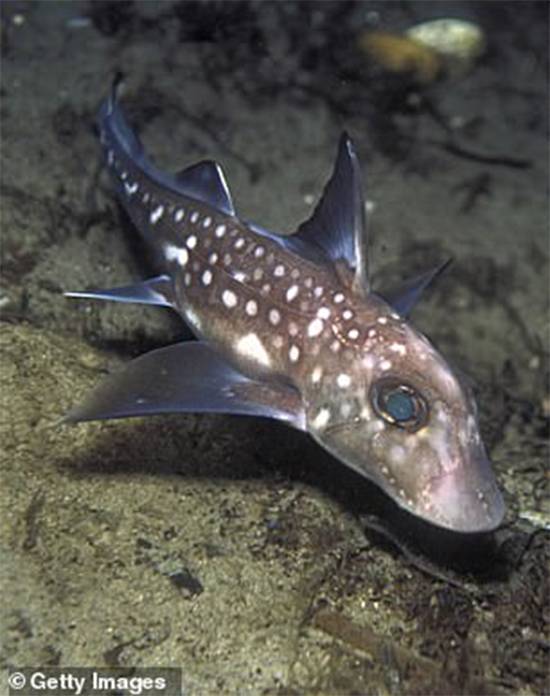
The mouse fish, scientifically known as Chimaera monstrosa, belongs to the chimaera family, a group of cartilaginous fish closely related to sharks and rays. These animals are often described as living fossils because their basic body structure has remained largely unchanged for hundreds of millions of years. Fossil records suggest that chimaeras appeared long before dinosaurs walked the Earth.
Unlike bony fish, mouse fish have skeletons made of cartilage, giving them flexibility and resilience in extreme environments. Their evolutionary success lies in their ability to adapt to deep-sea conditions, where pressure is immense and food sources are scarce. This ancient lineage provides scientists with valuable clues about how early fish evolved and diversified over geological time.
Adaptations for life in the deep sea
Life at depths exceeding 2,600 feet presents enormous challenges. Light is minimal, temperatures are near freezing, and oxygen levels are low. The mouse fish has evolved several remarkable adaptations to survive under these conditions. Its most striking feature is its large eyes, which are highly sensitive to even the faintest traces of light. This allows the fish to detect movement and navigate in near-total darkness.
Additionally, mouse fish possess specialized sensory organs that help them locate prey along the ocean floor. Their slow metabolism conserves energy, an essential trait in an environment where meals can be few and far between. These adaptations make the species a perfect example of how life can thrive in extreme habitats that seem inhospitable to most organisms.
Diet and behavior on the ocean floor
Mouse fish are bottom-dwellers, spending much of their lives close to the seabed. Their diet mainly consists of hard-shelled prey such as crabs, sea snails, and other small crustaceans. Strong tooth plates enable them to crush shells with ease, a feeding strategy well suited to deep-sea ecosystems.
They are generally solitary creatures, moving slowly and deliberately as they search for food. Because of their deep-sea lifestyle, much of their behavior remains poorly understood. Every rare encounter, such as Lundahl’s catch, provides researchers with an opportunity to learn more about how these elusive fish live and interact with their environment.
A rare catch with unexpected culinary results
Unfortunately, deep-sea fish like the mouse fish cannot survive rapid changes in pressure. When brought to the surface, the drastic shift often proves fatal. Faced with this reality, Lundahl chose not to let the fish go to waste. He decided to prepare and cook it, an uncommon choice given the creature’s unusual appearance.
To his surprise, the taste exceeded expectations. He described the flavor as similar to cod, but even richer and more enjoyable. While mouse fish are not commonly eaten and are rarely found in markets, this experience highlights how appearances can be deceiving and how diverse the edible resources of the ocean can be.
Why this encounter matters for marine science
This rare catch is more than a viral fishing story. It underscores how little humans still know about the deep sea and its inhabitants. Species like the mouse fish play an important role in marine ecosystems, helping maintain balance on the ocean floor. They also serve as living records of evolutionary history, offering insights into how life adapts over immense spans of time.
Encounters like this also emphasize the importance of protecting deep-sea habitats. As fishing technology advances and human activity reaches greater depths, fragile ecosystems face increasing threats. Preserving these environments ensures that ancient species such as the mouse fish can continue to survive and teach us about the planet’s distant past.
A reminder of the ocean’s hidden wonders
The story of a 19-year-old fisherman catching a 300-million-year-old deep-sea fish captures the imagination because it reminds us how mysterious the ocean still is. Beneath the waves lie creatures that connect modern life to Earth’s ancient history. Each rare discovery highlights the need for curiosity, respect, and conservation. The mouse fish is not just a strange-looking animal, but a symbol of the deep sea’s enduring secrets and its extraordinary capacity to surprise us.





Yorumlar
Kalan Karakter: