
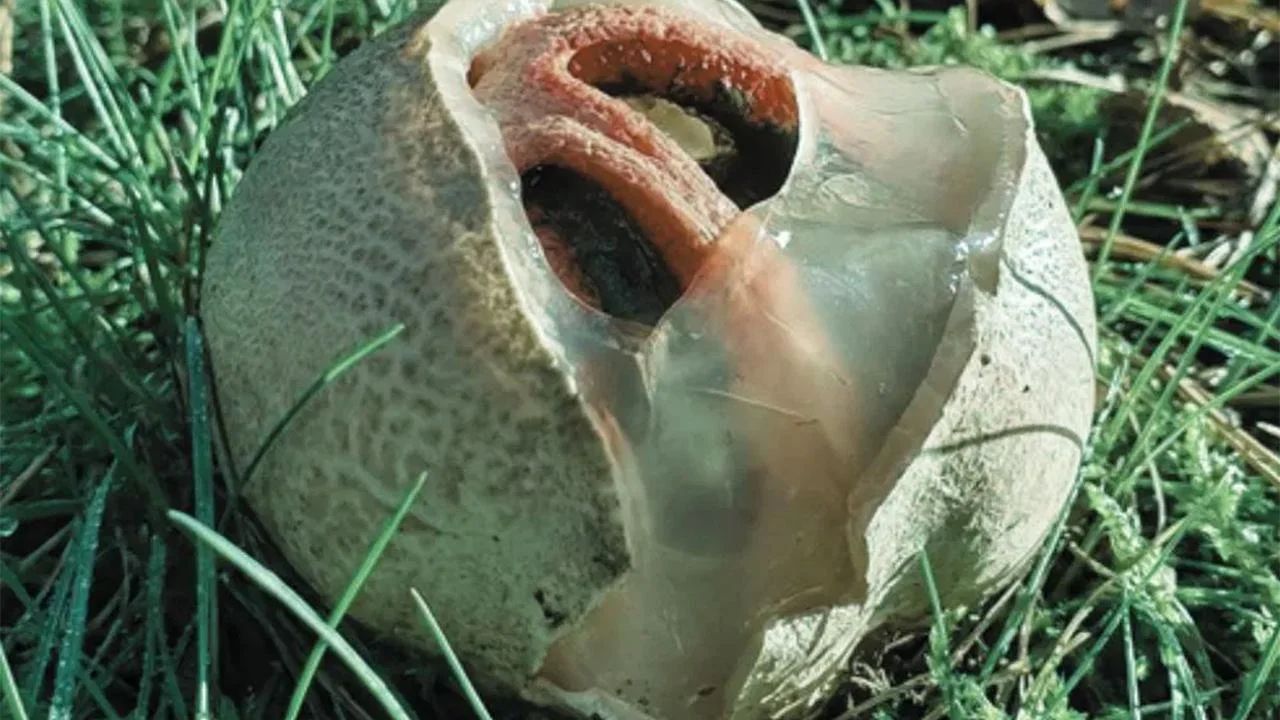
Imagine spotting a pale, cracked egg emerging from the soil, followed by a tall, slimy structure that smells like decay. For many people, this moment sparks confusion, curiosity, and even fear. This bizarre sight is often a stinkhorn mushroom, one of the most unusual fungi found in nature. Frequently described online as “nature’s most terrifying creatures,” stinkhorn mushrooms have earned their reputation through their shocking appearance, rapid growth, and unforgettable odor.
Yet behind the dramatic reactions lies a fascinating story of survival, adaptation, and ecological importance. Understanding what stinkhorn mushrooms are and why they behave the way they do reveals that they are not monsters of the forest, but remarkable examples of nature’s creativity.
What stinkhorn mushrooms are
Stinkhorn mushrooms belong to a group of fungi scientifically known as the Phallaceae family. One of the most well-known species is Phallus impudicus, a name that already hints at its unusual shape. These fungi are found across many parts of the world, especially in forests, gardens, and areas rich in decaying organic matter.
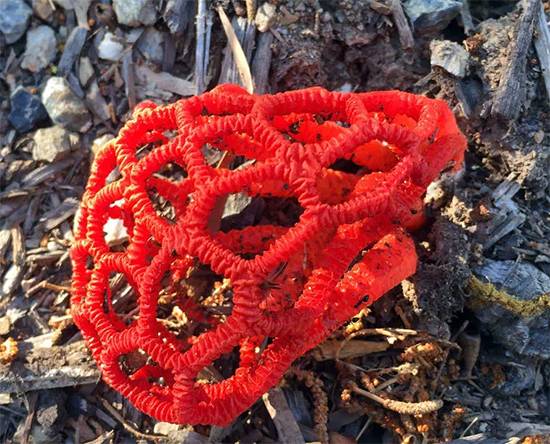
Unlike typical mushrooms with caps and gills, stinkhorns follow a very different growth pattern. Their structure and life cycle set them apart, making them one of the most recognizable and talked-about fungi in nature. Because of their odd form and strong smell, they are often mistaken for something dangerous or unnatural, even though they are a natural and ancient part of forest ecosystems.
How the “witch’s egg” stage begins
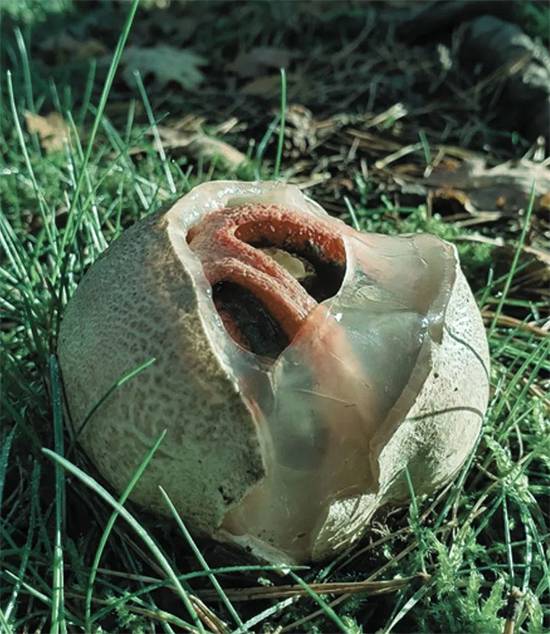
The life of a stinkhorn mushroom starts quietly beneath the forest floor. At this stage, it appears as a round or oval structure commonly called a “witch’s egg.” This egg-like form is usually white or pale and partially buried in soil, mulch, or leaf litter. Inside the egg is a gelatinous layer that protects the developing mushroom. To an untrained eye, it can resemble an alien pod or a strange animal egg, which adds to its unsettling reputation. This stage can last for days or even weeks, remaining unnoticed until conditions are right for rapid growth. The mystery of discovering these eggs often fuels online speculation and fear-based reactions.
Why stinkhorn mushrooms grow so fast
One of the most shocking features of stinkhorn mushrooms is their speed. When the egg splits open, the mature structure can rise in just a few hours. This rapid growth is driven by water absorption rather than slow cell division, allowing the stalk to shoot upward almost overnight.
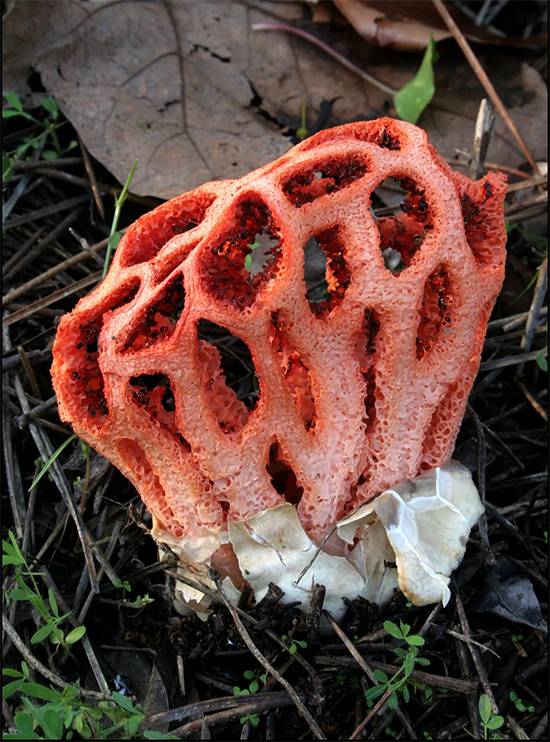
Many people only notice stinkhorn mushrooms once they have fully emerged, leading to the impression that they appeared suddenly and unnaturally. This fast growth is an evolutionary advantage, helping the fungus quickly reach insects that will assist with spore dispersal. The sudden appearance plays a major role in why stinkhorn fungi are often described as creepy or terrifying.
The reason behind the horrible smell
The smell of a stinkhorn mushroom is its most infamous trait. Often compared to rotting meat, sewage, or decaying animals, the odor can be overwhelming. This smell comes from the gleba, a slimy substance coating the cap that contains the spores. While unpleasant to humans, the scent is highly attractive to flies, beetles, and other insects. These insects land on the mushroom, collect spores on their bodies, and then spread them to new locations. Unlike many mushrooms that rely on wind for reproduction, stinkhorn fungi use insects as their primary method of spore dispersal. What humans perceive as disgusting is actually a highly effective survival strategy.
Why people call them terrifying creatures
Stinkhorn mushrooms trigger fear and fascination for several reasons. Their phallic or tentacle-like shapes challenge social comfort zones, while their slimy texture and foul smell evoke images of decay and disease. Their sudden growth adds an element of surprise, and their alien appearance often leads to exaggerated descriptions online. Viral photos and videos frequently label them as “zombie fungi” or “devil’s eggs,” reinforcing their frightening reputation. In reality, these reactions say more about human psychology than the fungus itself. Anything that looks unfamiliar, grows quickly, and smells bad is likely to be perceived as threatening, even when it is harmless.
Their role in the ecosystem
Despite their reputation, stinkhorn mushrooms play a vital role in nature. They are decomposers, breaking down dead wood, leaves, and organic debris. This process returns nutrients to the soil, supporting plant growth and maintaining healthy ecosystems. Without fungi like stinkhorns, forests would become clogged with decaying matter. Their presence is a sign of active nutrient recycling rather than danger. Understanding their ecological role helps shift the narrative from fear to appreciation.
Are stinkhorn mushrooms dangerous to humans
One of the most common questions people ask is whether stinkhorn mushrooms are toxic. The answer is reassuring. They are not poisonous to touch and generally pose no threat to humans. While some cultures have eaten the egg stage, experts strongly advise against consuming wild mushrooms without proper identification. The main risk associated with stinkhorns is their smell, which can linger on hands or clothing. Beyond that, they are harmless forest dwellers doing their job quietly and efficiently.
Why they deserve fascination, not fear
Stinkhorn mushrooms remind us that nature does not exist to please human senses. Their strange shapes, powerful odors, and rapid growth challenge our expectations of beauty and normality. Yet these very traits make them one of the most inventive fungi on the planet. When viewed through a scientific lens, stinkhorns are not terrifying creatures but brilliant examples of adaptation. They prove that even the most unsettling organisms have a purpose. By learning about them, we replace fear with curiosity and discover that the forest is full of wonders that are strange, surprising, and endlessly fascinating.


Yorumlar
Kalan Karakter: