
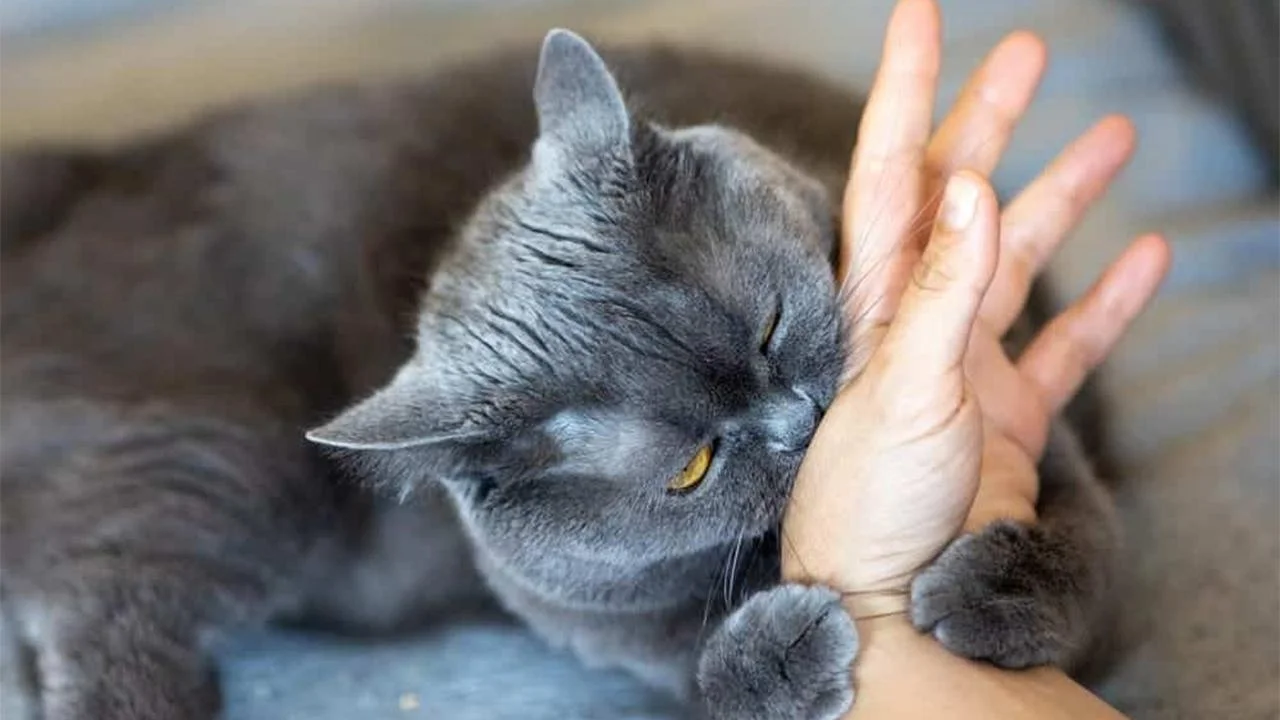
Anyone who has ever shared a home with a feline friend knows they can switch from cuddly to feisty in a matter of seconds. One moment your cat is purring peacefully in your lap, and the next, you feel a quick nip on your hand. It may not always hurt, but it certainly raises questions. Why do cats bite their owners? Is it aggression, affection, or something else entirely?

Understanding cat behavior is essential for building a healthy and trusting relationship with your pet. Cats communicate differently than dogs or humans, often using subtle body language and small gestures to express their feelings. A bite can mean many things depending on the context. In this article, we will explore the real reasons behind cat biting behavior, what your cat might be trying to tell you, and how to respond appropriately to keep both you and your furry companion safe and happy.
Playfulness and hunting instincts
One of the most common reasons a cat bites is simple playfulness. Cats are natural hunters with strong predatory instincts. Even domesticated indoor cats retain the urge to stalk, chase, and pounce. During playtime, your hands or feet can quickly become moving “prey.”
Play bites are usually gentle and may not break the skin. They often occur when a cat becomes overly excited during interactive play. You might notice dilated pupils, quick movements, or tail swishing. This type of cat biting behavior is rarely aggressive. Instead, it is an expression of natural feline instincts.
To prevent playful biting, use toys such as feather wands or soft mice instead of your hands. Redirecting their energy to appropriate objects helps reduce confusion about what is acceptable to bite.
Love bites and affectionate nips
Surprisingly, some cats bite as a sign of affection. These “love bites” are typically soft nibbles that happen while your cat is purring or enjoying petting. In many cases, they are part of social bonding behavior learned during kittenhood.
Cats groom one another by licking and gently nibbling. When your cat gives you a soft bite, it may be treating you like family. However, affectionate biting can sometimes signal that your cat is reaching its limit. What starts as pleasure can quickly turn into overstimulation.
Pay close attention to subtle changes in body language. A twitching tail, flattened ears, or sudden tension may mean your cat needs a break.
Overstimulation and sensory overload
Overstimulation in cats is a common cause of sudden biting. While many cats enjoy being petted, there is often a threshold. Repetitive touching, especially on sensitive areas like the belly or lower back, can become overwhelming.
When a cat feels overstimulated, a quick bite may be its way of saying, “That is enough.” This type of bite is not meant to harm but to create space. Learning to recognize early warning signs can prevent these situations. Watch for tail flicking, skin rippling along the back, or a shift in posture.
Limiting petting sessions and allowing your cat to initiate contact can significantly reduce overstimulation-related biting.
Fear, anxiety, and stress responses
Cats may bite when they feel scared, threatened, or anxious. Fear-based biting is typically stronger and more defensive than playful nipping. Situations such as loud noises, unfamiliar guests, or sudden movements can trigger this response.
When a cat feels cornered, biting becomes a natural defense mechanism. It is important not to punish a frightened cat, as this can increase anxiety and worsen aggressive behavior. Instead, create a calm and safe environment where your cat can retreat when needed.
Providing hiding spaces, maintaining a predictable routine, and minimizing stressors are key strategies for reducing fear-related cat bites.
Pain or underlying health issues
If your normally calm cat suddenly starts biting, it may be experiencing pain or discomfort. Cats are skilled at hiding illness, so behavioral changes are often one of the first warning signs.
Conditions such as dental problems, arthritis, or internal injuries can make physical contact uncomfortable. When touched in a painful area, a cat may react with a defensive bite. If you notice unusual aggression, reduced appetite, or changes in grooming habits, consult a veterinarian promptly.
Early diagnosis of health problems not only protects your cat’s well-being but also prevents misunderstandings about its behavior.
Territorial behavior and dominance
Cats are territorial animals by nature. They may bite to assert control over their space, toys, or even favorite humans. Territorial biting can occur if another pet enters the home or if there is a perceived threat to their environment.
This behavior is rooted in survival instincts inherited from their wild ancestors. Providing separate resources such as food bowls, litter boxes, and resting areas can help reduce competition and tension.
Understanding territorial instincts allows you to manage your cat’s environment more effectively and prevent unnecessary conflict.
Kitten biting and early training
Kittens explore the world with their mouths. Biting during play is normal and helps them learn boundaries. However, allowing kittens to bite hands and feet can encourage problematic behavior later in life.
Early training is crucial. Redirect biting to appropriate toys and stop play immediately if your kitten bites too hard. Consistency teaches young cats that human skin is not a toy.
Proper socialization during kittenhood lays the foundation for gentle and well-adjusted adult cats.
What to do if your cat bites you
Even minor cat bites can pose health risks. A cat’s sharp teeth can puncture the skin deeply, introducing bacteria that may cause infection. If you are bitten, wash the area immediately with soap and running water. Apply an antiseptic and cover the wound with a sterile bandage.
Monitor the bite for signs of infection such as redness, swelling, warmth, or pus. If symptoms worsen or you develop a fever, seek medical attention. Prompt care reduces the risk of complications like cellulitis.
Understanding why cats bite is the first step toward preventing it. By paying attention to context, recognizing feline body language, and addressing potential stressors, you can strengthen your relationship with your cat. With patience and awareness, those surprising nips can become rare, and your bond with your feline companion can grow even stronger.






Yorumlar
Kalan Karakter: