
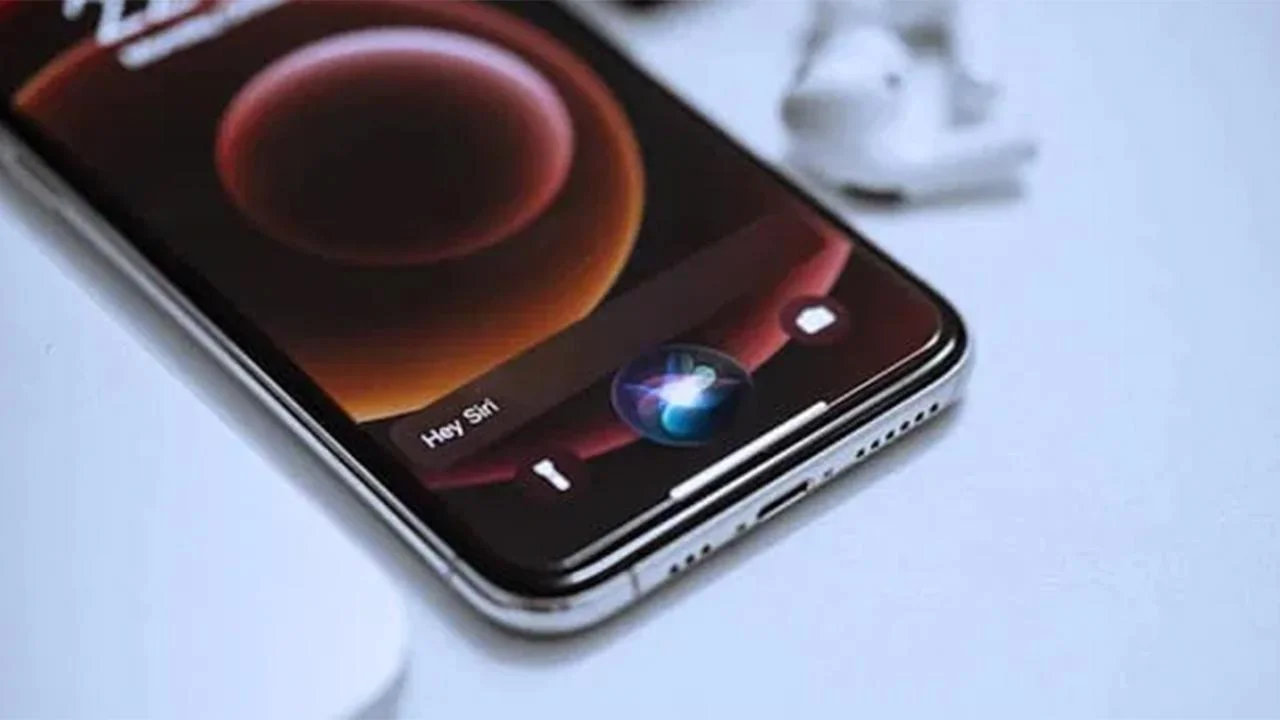
One such overlooked feature is the small hole located at the bottom or sometimes near the top of the device. At first glance, it may seem insignificant or even decorative. However, this small component plays a surprisingly important role in improving your phone’s performance. It is not just a random design element but a carefully engineered feature known as a secondary microphone. This tiny microphone works alongside the primary one to deliver clearer audio, especially during phone calls. In this article, we will explore what this small hole actually does, how it works, and why it is essential for modern smartphones.
What is the small hole in your smartphone

This additional microphone is strategically placed to pick up environmental sounds rather than your direct speech. By doing so, it provides crucial data that helps your phone distinguish between your voice and unwanted noise. This separation is key to delivering clearer audio quality, especially in busy or noisy environments.
How the secondary microphone works
The secondary microphone works in conjunction with advanced software algorithms built into your smartphone. When you speak during a call, the primary microphone captures your voice, while the secondary microphone records surrounding noise such as traffic, wind, or crowd chatter.
The smartphone’s system then processes both audio inputs simultaneously. By comparing the signals, it identifies and isolates your voice from the background noise. The unwanted sounds are reduced or eliminated through noise-canceling technology, allowing the person on the other end of the call to hear you more clearly.
This process happens in real time and is so fast that users typically do not notice it happening. It is a perfect example of how hardware and software work together to enhance user experience.
Why noise cancellation is important
Noise cancellation has become a crucial feature in modern smartphones. People often take calls in less-than-ideal environments, such as busy streets, public transport, or crowded offices. Without noise reduction technology, these situations would make communication difficult and frustrating.
The secondary microphone ensures that your voice remains the focus of the conversation. By minimizing background noise, it improves call clarity and reduces misunderstandings. This is especially important for professional calls, online meetings, and voice recordings where clear communication is essential.
In addition to phone calls, noise cancellation also benefits voice assistants and video recordings. It helps digital assistants better understand commands and improves the overall quality of recorded audio.
Where you can find the secondary microphone
The location of the secondary microphone can vary depending on the smartphone model. In many devices, it is found near the top edge, while in others, it may be placed at the bottom or even near the camera module.
Manufacturers carefully choose the placement to ensure optimal noise capture. The goal is to position the microphone in a way that it picks up ambient sounds without interfering with the primary microphone’s ability to capture your voice.
Because it is such a small component, it is often mistaken for a design feature or even a reset hole. However, it should never be poked or obstructed, as doing so can affect your phone’s audio performance.
Common misconceptions about the small hole
There are several misconceptions about the small hole in smartphones. One common belief is that it is a reset button or a SIM card access point. While some devices may have small openings for these purposes, the microphone hole is specifically designed for audio input.
Another misconception is that it serves no real purpose and is purely aesthetic. In reality, removing or blocking this hole can significantly degrade call quality. Dust, dirt, or accidental blockage can interfere with the microphone’s ability to capture sound accurately. Understanding its true function helps users take better care of their devices and avoid unnecessary damage.
How this tiny feature improves user experience
The inclusion of a secondary microphone highlights how even the smallest components can make a big difference. It enhances call quality, improves voice recognition, and ensures better audio recordings. These improvements contribute to a smoother and more reliable smartphone experience.
As smartphones continue to evolve, features like dual microphones and advanced noise cancellation are becoming standard. They demonstrate how technology is constantly improving to meet user needs, even in ways that are not immediately visible. By paying attention to these small details, users can gain a deeper appreciation for the design and engineering behind their devices.
The small hole in your smartphone is far more important than it appears. As a secondary microphone, it plays a vital role in reducing background noise and improving audio clarity. This tiny feature ensures that your voice is heard clearly, even in challenging environments.
Understanding how it works not only satisfies curiosity but also helps you use your smartphone more effectively. It is a reminder that in modern technology, even the smallest details are designed with purpose and precision.







Yorumlar
Kalan Karakter: