
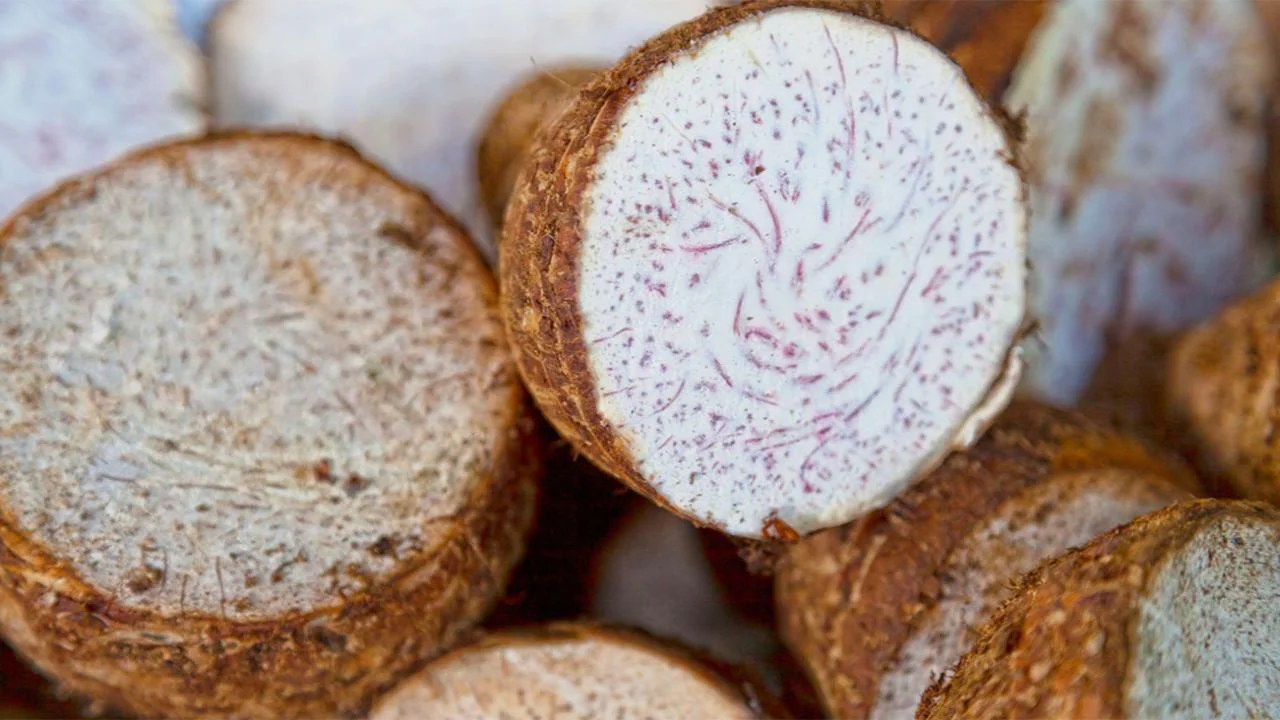
One such story points to a rural village in China where residents reportedly experience remarkably low instances of cancer. The spotlight quickly turns to their daily diet, particularly a humble root vegetable: taro. While it’s tempting to believe in a single “miracle food,” the truth is more nuanced and far more interesting. This article explores what makes taro and similar root vegetables valuable, what science actually says about diet and cancer prevention, and how simple, traditional eating habits might play a powerful role in long-term health. If you’re searching for natural ways to support wellness, the answer may indeed lie closer to your kitchen than you think.
The story behind Lipu village and its diet
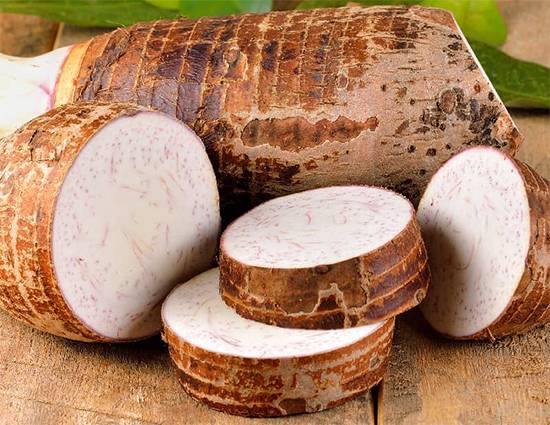
However, it’s important to understand that no single food can fully explain such health outcomes. The villagers also benefit from a physically active lifestyle, low levels of processed food consumption, minimal environmental pollution, and strong community ties. Together, these factors create a holistic environment that supports better health. Still, taro root remains an interesting focal point due to its nutritional profile and potential health benefits.
What makes taro root nutritionally powerful
Taro root is more than just a starchy vegetable. It is packed with essential nutrients that support overall health. It contains dietary fiber, complex carbohydrates, vitamin C, vitamin E, potassium, and magnesium. These nutrients play important roles in digestion, immune function, and heart health.
One of taro’s standout features is its high fiber content. Fiber helps regulate digestion, supports gut health, and may reduce the risk of certain chronic diseases. Additionally, taro contains antioxidants, which help protect cells from oxidative stress, a factor linked to cancer development. Unlike heavily processed foods, taro is typically consumed in its natural form, which preserves its nutritional integrity and avoids harmful additives.
The link between root vegetables and cancer prevention
Scientific research does not support the idea that any single food can prevent cancer entirely. However, there is strong evidence that diets rich in vegetables, including root vegetables, are associated with a lower risk of certain cancers.
Root vegetables like taro, sweet potatoes, carrots, and beets contain antioxidants and phytochemicals. These compounds help neutralize free radicals, reduce inflammation, and support the body’s natural defense systems.
Fiber, which is abundant in root vegetables, is particularly important. Studies suggest that high-fiber diets are linked to a reduced risk of colorectal cancer. Fiber also supports a healthy gut microbiome, which plays a role in immune function and inflammation control.
Why traditional diets often outperform modern eating habits
One of the biggest takeaways from villages like Lipu is not just what people eat, but how they eat. Traditional diets tend to focus on whole foods, seasonal ingredients, and simple cooking methods. Meals are often prepared at home, with minimal processing.
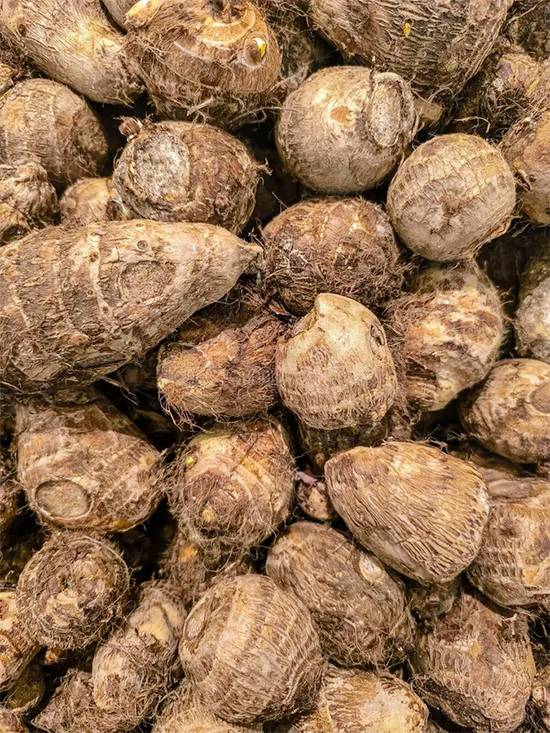
In contrast, modern diets frequently include ultra-processed foods high in sugar, unhealthy fats, and artificial additives. These foods are linked to increased risks of obesity, inflammation, and chronic diseases, including cancer.
The villagers’ consistent consumption of natural foods like taro, combined with balanced meals and active lifestyles, creates a sustainable model for health that modern societies can learn from.
How to incorporate taro and root vegetables into your diet
Adding more root vegetables to your diet is both simple and affordable. Taro can be boiled, steamed, roasted, or mashed, making it a versatile ingredient. It pairs well with both savory and mildly sweet dishes.
If taro is not readily available in your area, other root vegetables can offer similar benefits. Sweet potatoes, carrots, parsnips, and turnips are widely accessible and nutrient-rich.
Aim to include a variety of vegetables in your meals to maximize nutrient intake. A colorful plate often indicates a diverse range of vitamins, minerals, and antioxidants.
The bigger picture of cancer prevention and lifestyle
While diet plays a significant role in health, it is only one piece of the puzzle. Cancer prevention involves a combination of factors, including regular physical activity, avoiding tobacco, limiting alcohol consumption, managing stress, and maintaining a healthy weight.
Communities with low cancer rates often share these lifestyle characteristics. Their diets support their health, but so do their daily habits and environments. Rather than searching for a single “superfood,” it is more effective to adopt a balanced, long-term approach to wellness.
The story of a cancer-resistant village and its reliance on taro root is both fascinating and inspiring. While taro itself is a nutritious and beneficial food, the real lesson lies in the broader lifestyle of the community. A diet rich in whole, natural foods, combined with active living and low exposure to processed products, creates a strong foundation for health.
Incorporating root vegetables into your daily meals is a simple step toward better nutrition. While no food can guarantee disease prevention, making mindful dietary choices can significantly improve your overall well-being. Sometimes, the most powerful health solutions are not found in expensive supplements, but in the everyday foods we often overlook.






Yorumlar
Kalan Karakter: