
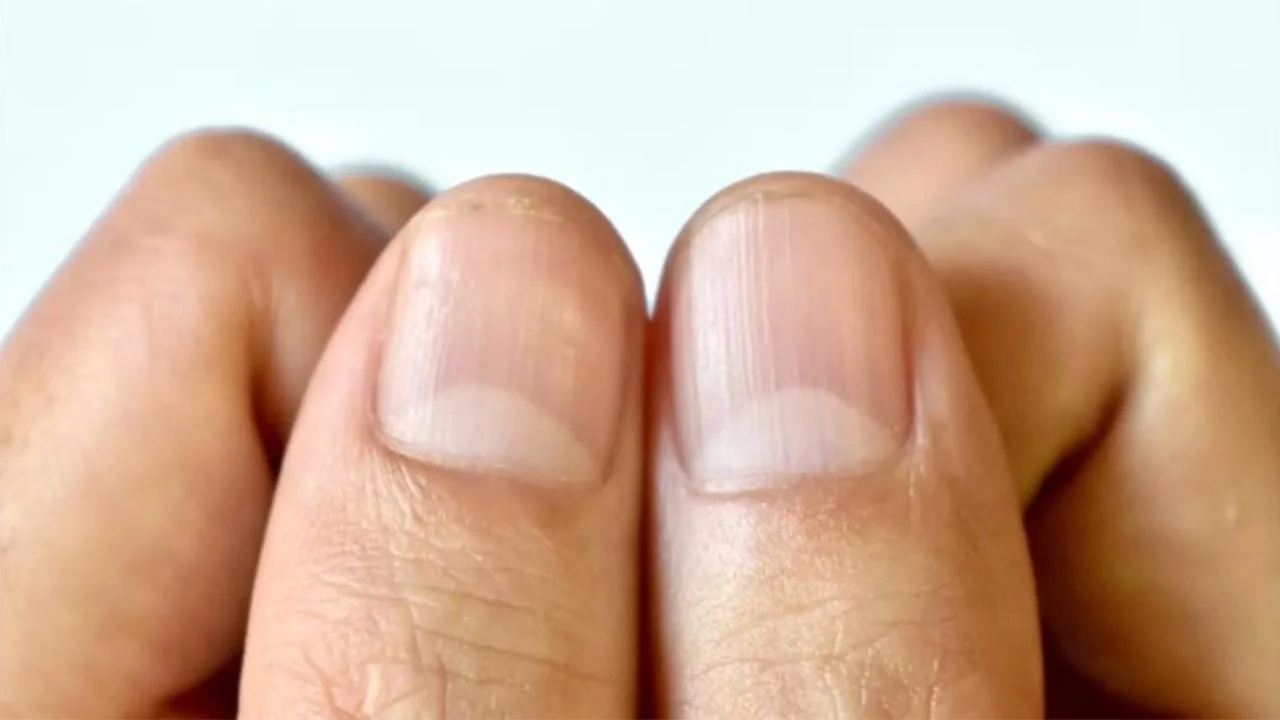
But what does that actually mean? For many people, the immediate conclusion is poor hygiene or carelessness. However, the reality is often far more complex. In many cases, those same hands may belong to someone who has spent the day fixing machines, planting crops, building homes, or working tirelessly outdoors.
Hands often tell a story about a person’s daily life. Clean, smooth hands may suggest office work or indoor environments, while rough or dirty nails may reflect physically demanding jobs. Neither automatically defines a person’s character or habits. Understanding the difference between neglect and honest labor requires context, observation, and empathy. In this article, we will explore the meaning behind dirty nails, the importance of hygiene, the role of manual labor, and why judging someone solely by appearance can be misleading.
Hygiene and the importance of clean hands
Personal hygiene plays an essential role in maintaining health and preventing the spread of illness. Fingernails can easily trap bacteria, dirt, and germs, which is why health professionals emphasize regular handwashing and proper nail care. Clean hands reduce the risk of infections and help protect both individuals and the people around them.
From an early age, most people are taught the importance of washing hands thoroughly with soap and water. Trimming nails regularly and cleaning underneath them are also considered basic hygiene habits. In many professional environments, especially in healthcare or food service, maintaining clean fingernails is required to prevent contamination.
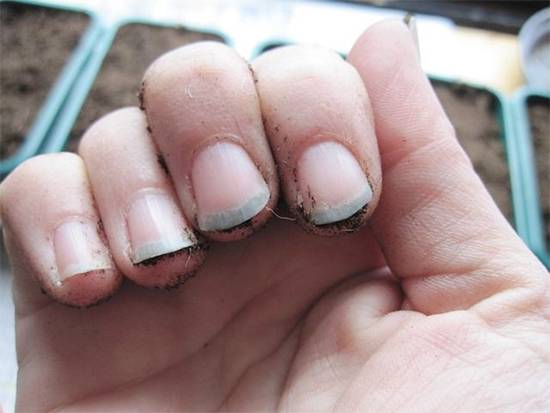
In situations where a person consistently has dirty nails despite access to hygiene resources, it may indicate poor personal care habits. Cleanliness is closely tied to health and social expectations, which is why people often associate clean hands with responsibility and respect for others.
However, hygiene standards must also be viewed realistically. Many jobs expose workers to materials that stain skin and nails temporarily. In those cases, visible dirt does not necessarily mean a person is unhygienic. It may simply mean they have been working.
The connection between dirty nails and manual labor
For millions of people around the world, dirty fingernails are not a sign of neglect but a natural result of their work. Many professions involve direct contact with soil, grease, dust, paint, or construction materials. Even with proper handwashing, some of these substances can remain under the nails for hours or until the end of the workday.
Consider professions such as mechanics, farmers, gardeners, construction workers, electricians, plumbers, and welders. These workers frequently handle tools, machinery, and raw materials. Dirt, oil, and dust are part of their daily environment.
A gardener who spends hours digging in the soil may finish the day with dark fingernails despite practicing good hygiene. A mechanic repairing an engine might have grease that takes several washes to remove completely. In these situations, dirty nails simply reflect the nature of the job.
Rather than symbolizing carelessness, these marks can represent productivity, skill, and effort. They show that someone has spent their time building, repairing, planting, or maintaining the physical systems that keep communities functioning.
Why context changes the meaning
The meaning of dirty nails depends heavily on context. Without understanding the circumstances, it is easy to make inaccurate assumptions about a person’s habits or character.
Imagine seeing someone with dirt under their nails at a formal dinner event. In that environment, people might assume poor hygiene or lack of preparation. However, the same hands seen on a construction site, farm, or workshop would likely be interpreted very differently.
Context also includes timing. A volunteer helping clean debris after a natural disaster may have dirty hands at the end of the day. A parent repairing a broken fence or gardening in their backyard might look the same. In these cases, the dirt is temporary and directly connected to useful work.
Understanding context helps people avoid unfair judgments. What appears messy at first glance may actually be evidence of responsibility, dedication, or service.
The social bias around appearance
Society often places strong emphasis on appearance, and this can create unfair stereotypes. Clean, polished hands are sometimes associated with professionalism and higher social status, while rough or dirty hands may be viewed as signs of lower status or lack of education.
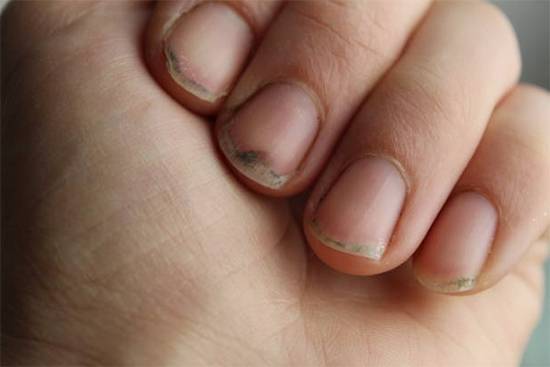
In reality, these assumptions overlook the value of physical labor. Many of the systems that make modern life comfortable exist because of workers who perform demanding tasks every day. Roads are built by construction crews. Food is grown and harvested by farmers. Homes are repaired by skilled tradespeople.
People with the cleanest hands may spend their days typing on keyboards, while those with dirt beneath their nails may spend their days creating, repairing, and maintaining essential infrastructure. Both types of work are important.
Recognizing this helps challenge the bias that visible dirt automatically means laziness or neglect. Often, it simply reflects the type of work someone performs.
When dirty nails may indicate neglect
Although dirty nails often reflect hard work, there are situations where they may signal neglect or poor hygiene. For example, consistently dirty nails combined with other signs of poor self-care may indicate that a person is not maintaining basic hygiene habits.
In environments where cleanliness is especially important, such as healthcare settings or food preparation areas, maintaining clean nails is necessary for safety. In these situations, failing to clean hands properly can increase the risk of spreading germs or contaminating surfaces.
This is why regular handwashing and nail care remain essential habits regardless of profession. Even workers in physically demanding jobs typically clean their hands thoroughly at the end of the day. The key difference lies in understanding whether the dirt is temporary and related to work or persistent due to neglect.
Looking beyond appearances
Hands can reveal many things about a person’s life, but they rarely tell the entire story. Judging someone solely based on visible details like dirty fingernails ignores the broader context of their daily responsibilities, work environment, and personal circumstances.
Instead of jumping to conclusions, it can be more meaningful to recognize the potential effort behind those marks. The same hands that appear rough or dirty might have just spent hours fixing equipment, planting crops, or helping others.
Respect for different types of work helps create a more balanced perspective. Both physical labor and intellectual work contribute to society, and neither should be dismissed based on appearance alone.
Dirty fingernails can carry very different meanings depending on the situation. In some cases, they may indicate poor hygiene that needs attention. In many other cases, they are simply the natural result of hard, honest work.
Understanding the difference requires context and thoughtful observation. A gardener, mechanic, farmer, or construction worker may finish the day with hands that show the evidence of effort and productivity. Those marks often disappear after washing, but the value of the work remains.
Cleanliness and hygiene are important for health and social interaction. At the same time, respect for people and their work is equally important. Before labeling someone based on what you see under their fingernails, it is worth considering the story behind those hands.
Sometimes what looks like dirt is simply the mark of dedication, responsibility, and a job well done. And in many cases, the most respectful response is to look beyond appearances and appreciate the effort that those hands represent.






Yorumlar
Kalan Karakter: