
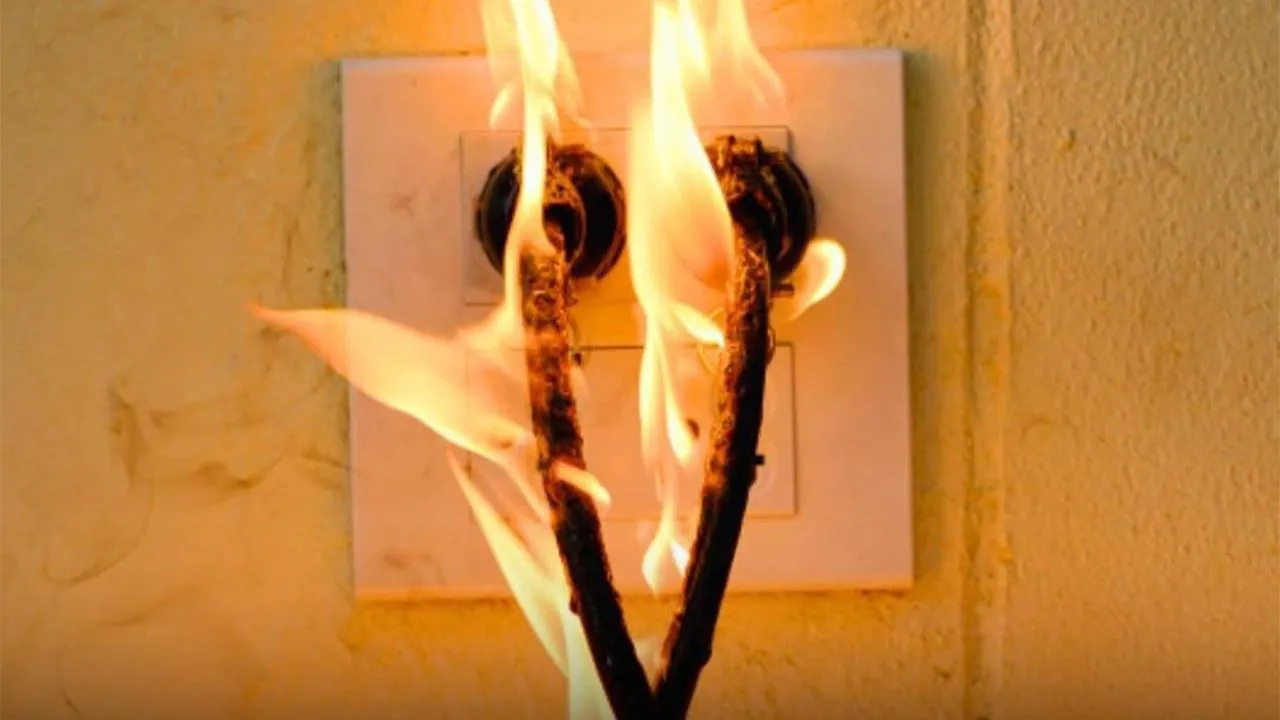
However, what most homeowners overlook is the hidden danger and cost of leaving devices plugged in. From fire hazards to “phantom energy” consumption, plugged-in appliances can quietly impact both your safety and your wallet. In fact, standby power alone can add a noticeable amount to your annual electricity bill. More importantly, certain household items remain potential fire risks even when not actively in use. Understanding which appliances require extra caution can make a meaningful difference in your daily routine. In this guide, we explore five common appliances you should unplug after every use, along with practical tips to make this habit simple and effective.
Why unplugging appliances matters for safety and energy savings
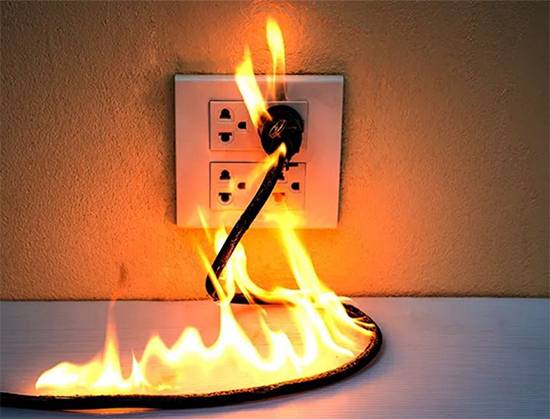
More importantly, electrical malfunctions can occur even when appliances are idle. Faulty wiring, overheating components, or unexpected power surges can all pose risks. By unplugging certain high-risk devices, you minimize the chance of electrical fires and protect your home environment. This simple habit can also provide peace of mind, especially when leaving the house or going to sleep.
Space heaters and their high fire risk
Space heaters are among the most common causes of household fires, particularly during colder months. While modern models often include safety features like automatic shutoff, they are not foolproof. If placed too close to flammable materials such as curtains or furniture, they can still ignite a fire.
Unplugging your space heater after each use is one of the most effective safety measures you can take. It ensures the device cannot accidentally turn on or malfunction while unattended. Additionally, always place heaters on stable, non-flammable surfaces and avoid using extension cords, which can overheat.
Clothes dryers and hidden dangers after use
Clothes dryers are essential appliances, but they also carry hidden risks. Lint buildup in vents and filters is highly flammable and a leading cause of dryer-related fires. Even after a cycle ends, residual heat or mechanical issues can create potential hazards.
Although unplugging a dryer may not significantly reduce energy consumption, it can help eliminate standby risks. Regular maintenance is equally important. Clean the lint filter after every load and check the exhaust vent periodically to ensure proper airflow. If you do not use your dryer frequently, unplugging it adds an extra layer of safety.
Desktop computers and standby power consumption
Desktop computers, monitors, and their accessories can consume a surprising amount of electricity even when not in use. This standby power draw contributes to higher energy bills and unnecessary waste.
Unplugging your computer setup or using a smart power strip can significantly reduce this phantom load. Smart strips allow you to turn off multiple devices at once, making the process more convenient. Additionally, unplugging electronics during storms can protect them from power surges, potentially saving you from costly repairs or replacements.
Hair styling tools and overheating hazards
Hair styling tools such as flat irons and curling wands reach extremely high temperatures, often exceeding 400 degrees Fahrenheit. These devices can remain dangerously hot even after being switched off, especially if left plugged in.
Unplugging them immediately after use is crucial to preventing accidental fires. Many incidents occur when hot tools come into contact with flammable items like towels or countertops. To improve safety, store these tools in heat-resistant pouches and keep them away from moisture and clutter.
Toasters and toaster ovens with crumb buildup risks
Toasters and toaster ovens are everyday kitchen appliances, but they can become fire hazards if not properly maintained. Crumbs that accumulate inside can overheat and smolder, potentially leading to a fire.
Unplugging these appliances after use reduces the risk of electrical faults or accidental activation. Regular cleaning is also essential. Empty the crumb tray frequently and avoid using the appliance near flammable materials. Staying attentive while cooking further enhances kitchen safety.
Simple ways to make unplugging a daily habit
Adopting the habit of unplugging appliances does not have to be inconvenient. Small changes can make a big difference. Using smart power strips allows you to disconnect multiple devices with a single switch. Labeling cords can also help you quickly identify which appliances should be unplugged.
Creating routines is another effective strategy. For example, unplug hair tools immediately after styling or disconnect space heaters before leaving a room. These small actions soon become second nature and contribute to a safer, more energy-efficient home.
Unplugging appliances is a simple yet powerful way to improve home safety and reduce unnecessary energy costs. While not every device needs to be unplugged, focusing on high-risk and high-consumption appliances can make a meaningful impact. Space heaters, clothes dryers, desktop computers, hair styling tools, and toasters all present unique risks that can be minimized with this habit.
By combining awareness with practical steps, you can protect your home, lower your electricity bills, and gain peace of mind. In the end, it is not about inconvenience but about making smarter choices that benefit both your household and your long-term well-being.






Yorumlar
Kalan Karakter: