
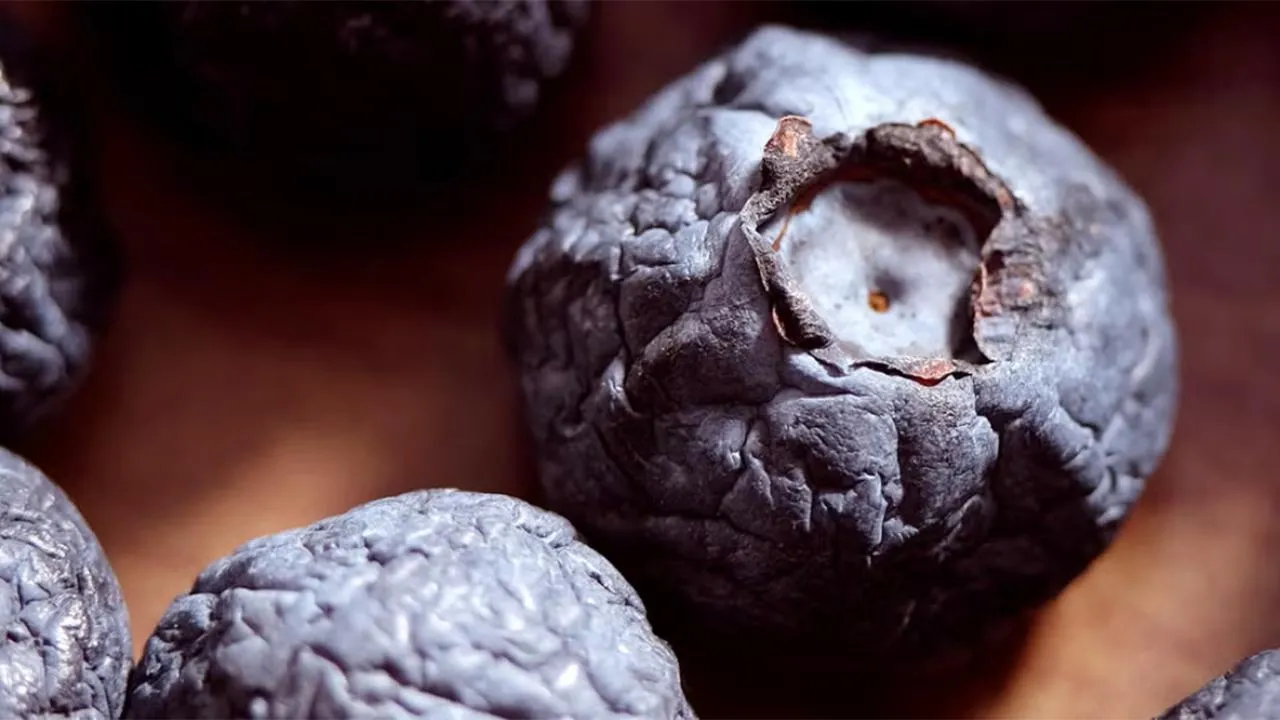
Many people immediately assume the fruit is spoiled or unsafe to eat. However, the reality is far less dramatic and much more common than you might think. These tiny larvae are typically from the spotted-wing drosophila, a type of fruit fly that lays eggs in soft-skinned fruits like blueberries and strawberries.
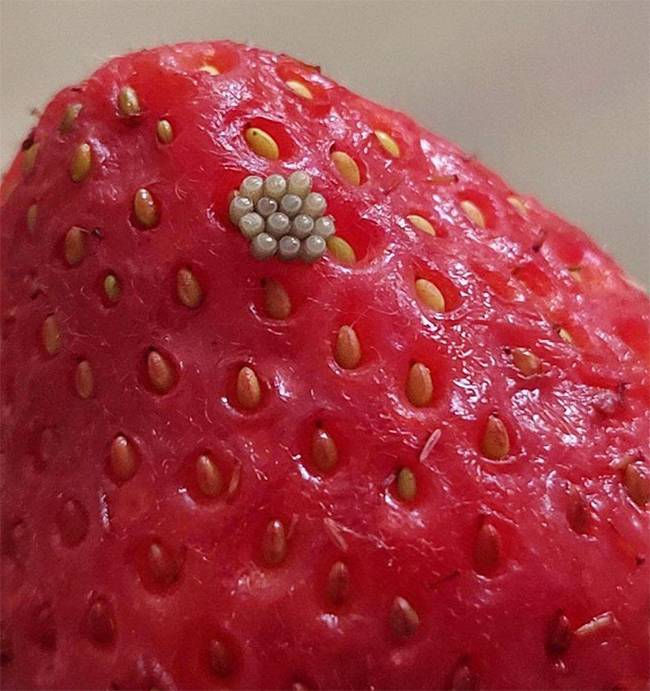
While the discovery may feel unpleasant, it does not automatically mean your fruit is unsafe. In fact, many people have consumed these larvae unknowingly without any health issues. Understanding what these organisms are, why they appear, and how to handle affected berries can help you make informed decisions without unnecessary waste. This guide explains everything you need to know in a clear and practical way.
What are the white worms in blueberries
The small white worms you see after soaking blueberries in salt water are most likely larvae of the spotted-wing drosophila. This fruit fly is unique because it lays its eggs inside ripening fruit rather than overripe or rotting produce.
Once the eggs hatch, the larvae begin feeding inside the fruit. They are usually very small and difficult to detect until they emerge when exposed to salt water. The salt solution irritates them, causing them to wriggle out of the berries, making them suddenly visible. This is why your blueberries may have looked perfectly normal before soaking but revealed larvae afterward.
Are blueberry larvae harmful to eat
Although the idea may be unpleasant, these larvae are not considered harmful to humans. They do not carry diseases that affect people, and your digestive system will break them down without issue.
From a food safety perspective, accidentally consuming them is not dangerous. However, personal comfort plays a big role. Many people prefer to remove them simply for peace of mind. If the berries are otherwise fresh, firm, and smell normal, they are generally safe to eat after proper cleaning.
When you should throw blueberries away
Not all blueberries should be saved. The condition of the fruit matters more than the presence of larvae alone. If your blueberries are firm, plump, and have a fresh smell, you can rinse them thoroughly and still use them. On the other hand, if the berries are mushy, leaking, or have a sour or fermented odor, it is best to discard them.
Larvae can accelerate fruit breakdown, and damaged berries may harbor bacteria or mold. In these cases, throwing them away is the safer option.
How to remove worms from blueberries effectively
A simple saltwater soak is one of the most effective ways to remove larvae from blueberries. Mix about one tablespoon of salt with two cups of water and soak the berries for 10 to 15 minutes.
During this time, any larvae present will emerge from the fruit. After soaking, rinse the blueberries thoroughly under clean running water to remove both salt and any remaining debris. This method is widely used because it is easy, affordable, and effective without damaging the fruit.
How to prevent larvae in fresh berries
While it may be impossible to eliminate the risk entirely, there are practical steps you can take to reduce the chances of finding larvae in your fruit.
Refrigerating blueberries immediately after purchase slows down egg hatching and larval development. Washing berries before eating rather than before storage can also help maintain freshness.
Buying from trusted sources and choosing firm, undamaged berries can further reduce the likelihood of infestation. Organic or homegrown berries may be more prone simply because they are less treated, but they are not inherently unsafe.
Common myths about worms in fruit
There are several misconceptions surrounding worms in blueberries and other fruits. One common myth is that their presence means the fruit is rotten or contaminated. In reality, larvae can exist even in fresh-looking fruit.
Another myth is that eating them can cause illness. While unpleasant, they are not known to transmit disease to humans. The biggest concern is usually psychological rather than medical. Understanding these facts can help you avoid unnecessary panic and reduce food waste.
The bottom line on blueberry safety
Discovering white worms in blueberries can be surprising, but it is not a reason to panic. These larvae are a natural occurrence in many fresh fruits and are generally harmless if consumed accidentally.
The key is to assess the quality of the berries. If they are fresh, firm, and smell normal, a proper saltwater soak and rinse can make them perfectly fine to eat. If they show signs of spoilage, it is better to discard them.
By knowing how to clean, store, and evaluate your berries, you can enjoy them with confidence while minimizing waste and maintaining food safety.






Yorumlar
Kalan Karakter: