
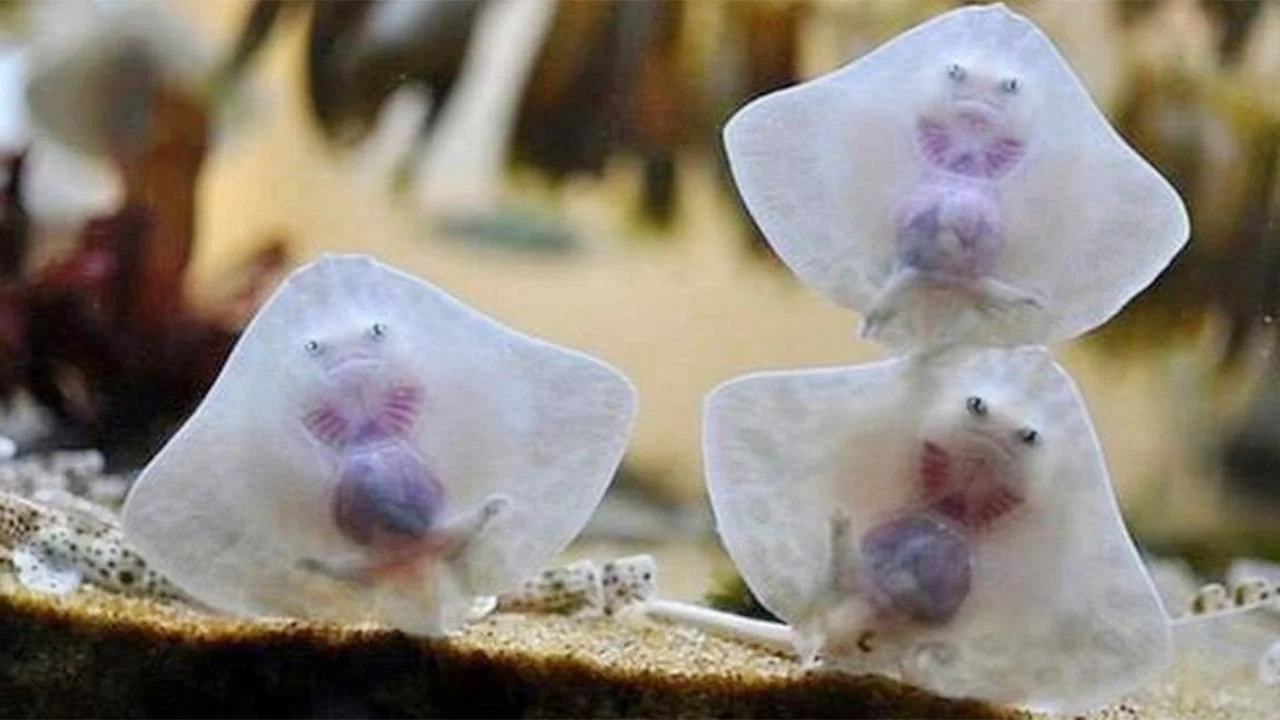
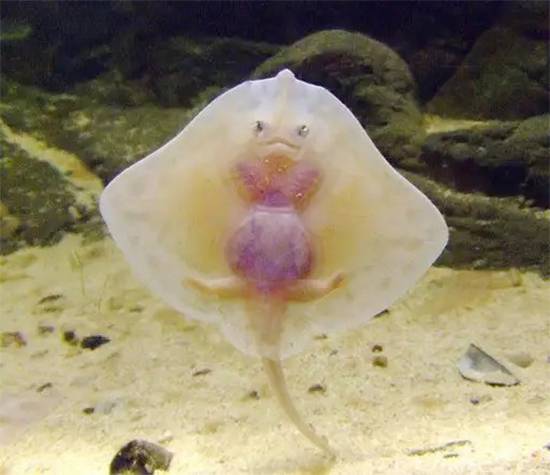
Often described as looking like tiny ravioli with eyes, these creatures have recently surged in popularity online, captivating audiences with their odd yet endearing appearance. But beyond the viral photos and amusing comparisons lies a deeply fascinating animal with complex biology and an important role in marine ecosystems. From their stealthy survival tactics to their surprising anatomy and misunderstood defensive abilities, baby stingrays are far more than just internet sensations. This article explores what makes them so unique, why they matter to the ocean, and whether they deserve their reputation as either adorable companions or dangerous marine dwellers.
Appearance of baby stingrays
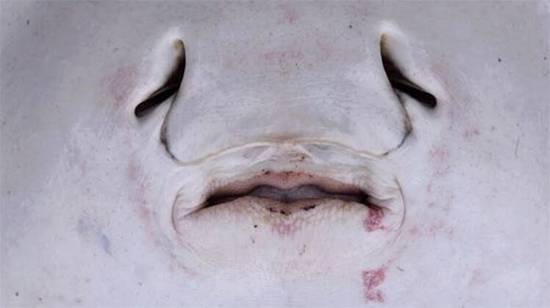
This distinctive body structure is not just for aesthetics. Their flattened form helps them stay close to the ocean floor, where they can hide from predators and ambush prey. Their coloring often matches the sandy seabed, providing excellent camouflage. This natural disguise is one of their most effective survival tools in the wild.
Habitat and behavior of baby stingrays
Baby stingrays are commonly found in shallow coastal waters, where the sandy or muddy bottom provides the perfect environment for hiding and feeding. They often bury themselves under a thin layer of sand, leaving only their eyes visible. This behavior helps them avoid predators and remain undetected while hunting.
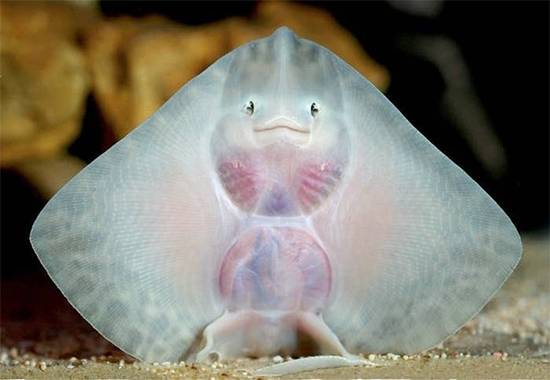
Despite their calm appearance, baby stingrays are highly active hunters. They use their pectoral fins to stir up sediment and uncover small prey like crustaceans and mollusks. Their movements are smooth and almost graceful, making them fascinating to observe in their natural habitat.
Anatomy and unique features
One of the most intriguing aspects of stingrays is their anatomy. As members of the cartilaginous fish family, they are closely related to sharks. This connection explains some of their shared features, including electroreception, which allows them to detect the electrical signals of nearby prey.
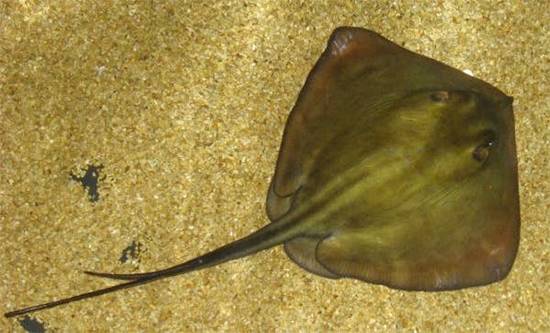
Male stingrays possess specialized organs called claspers, which are used during reproduction. While this may seem unusual, it is a common trait among cartilaginous fish. Additionally, their long tails are equipped with a barbed spine that can deliver venom, serving as a defense mechanism rather than a weapon for hunting.
Are baby stingrays dangerous to humans
Despite their harmless and even cute appearance, baby stingrays can pose a risk if disturbed. Their venomous barb is capable of causing serious injury, and in rare cases, can be fatal. However, it is important to understand that stingrays are not aggressive creatures.
Most incidents occur when a human accidentally steps on a stingray, prompting it to defend itself. Practicing simple precautions, such as shuffling your feet when walking in shallow waters, can help avoid unexpected encounters. Observing these animals from a respectful distance ensures safety for both humans and stingrays.
Ecological importance of baby stingrays
Baby stingrays play a crucial role in maintaining the balance of marine ecosystems. By feeding on bottom-dwelling organisms like mollusks and crustaceans, they help regulate populations and keep the ocean floor healthy.
Their presence also supports the broader food chain. As both predators and prey, they contribute to the stability of marine biodiversity. Protecting stingrays and their habitats is essential for preserving the delicate balance of ocean life.
Why baby stingrays go viral online
The internet has a special place for animals that combine cuteness with uniqueness, and baby stingrays fit that formula perfectly. Their resemblance to familiar objects like ravioli adds an element of humor, while their expressive faces spark curiosity and affection.
Social media platforms thrive on visually engaging and unusual content, making baby stingrays a recurring trend. Videos and images showcasing their gentle movements and quirky appearance often gain widespread attention, turning them into unexpected stars of the digital world.
Baby stingrays are a perfect example of nature’s creativity, blending beauty, function, and a touch of strangeness into one remarkable creature. While their ravioli-like appearance may draw people in, their biology and ecological significance offer much more to appreciate. They are neither purely adorable nor truly frightening, but rather a balanced mix of both. Understanding and respecting these animals allows us to enjoy their uniqueness while ensuring their survival. Whether you see them as cute or slightly alien, baby stingrays remain one of the ocean’s most captivating inhabitants.






Yorumlar
Kalan Karakter: