
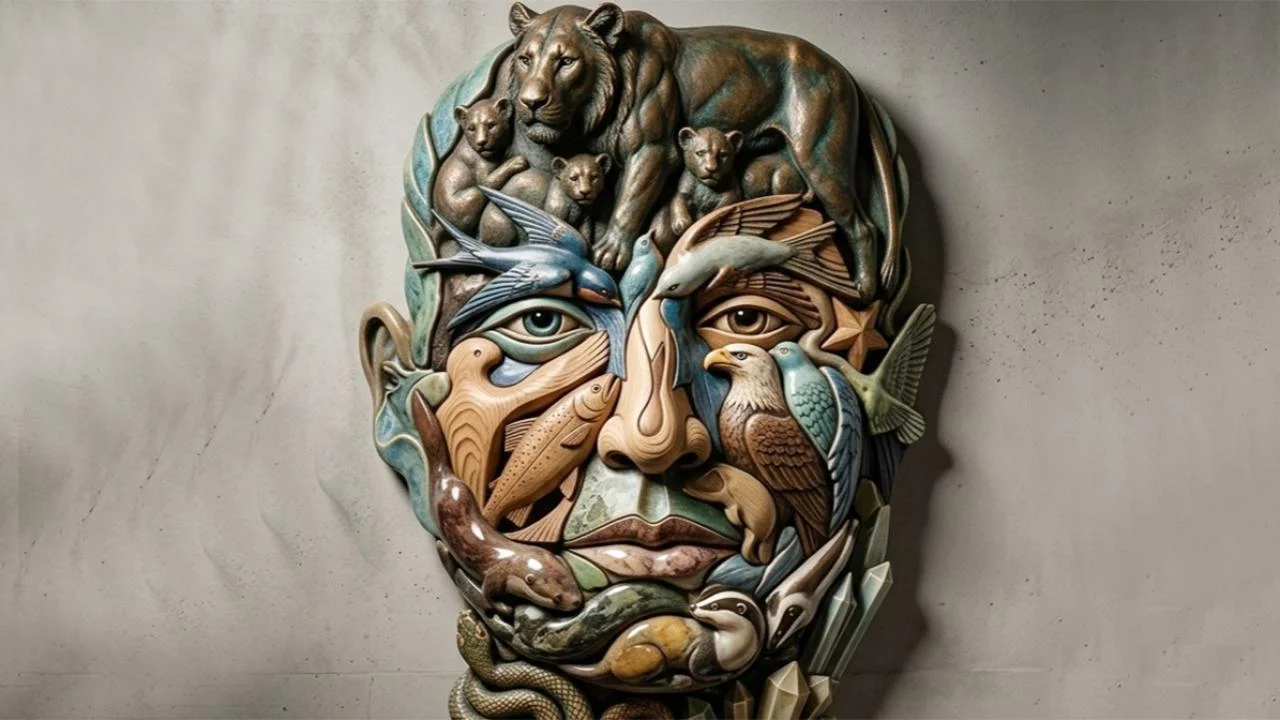
Viral optical illusion personality tests take advantage of that exact moment. These images, often filled with hidden animals or dual visuals, claim to reveal something meaningful about your personality based on what you see first. Whether it’s a lion, eagle, or butterfly, each interpretation promises insight into your strengths, weaknesses, and even your hidden flaws. While these tests are widely shared across social media, they are not rooted in clinical psychology. Instead, they offer a fun and engaging way to reflect on how your brain processes information. By exploring both the interpretations and the science behind perception, you can better understand why these tests feel so accurate and why they continue to capture attention online.
How optical illusion personality tests work
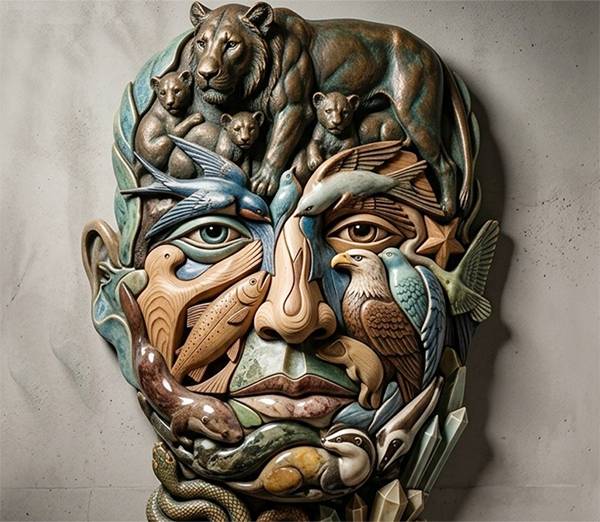
Because everyone’s brain is wired slightly differently, people may notice different elements first. These differences are then linked to personality traits in a way that feels personal and insightful. However, it is important to remember that these connections are not scientifically validated. They are interpretations designed to encourage reflection rather than provide diagnosis.
Why the first animal you see feels meaningful
The reason these tests feel accurate lies in something called the Barnum effect. This psychological phenomenon occurs when people believe vague or general statements apply specifically to them. Descriptions like “you can be controlling at times” or “you sometimes struggle to trust others” are broad enough to resonate with many individuals.
When combined with a personal choice, such as selecting the first animal you see, the result feels customized. This creates a powerful sense of validation, even if the interpretation is not based on empirical evidence. The emotional connection is real, even if the scientific basis is limited.
Common animal interpretations and their symbolism
Many viral personality tests use familiar animals because they already carry symbolic meaning. A lion often represents strength and leadership, while an eagle symbolizes vision and independence. A wolf is associated with loyalty, and a fox with cleverness and strategy.
These symbolic associations make the interpretations feel intuitive. When someone identifies with a particular animal, they are more likely to accept the related personality traits. This blending of cultural symbolism and self-perception is what makes these tests so engaging and shareable.
The role of perception in personality insights
Perception plays a major role in how we interpret the world around us. Factors such as mood, attention, and even recent experiences can influence what you notice first in an image. For example, someone feeling stressed might focus on sharper or more alert shapes, while someone relaxed may notice softer or more abstract forms.
This means that what you see in an optical illusion can change over time. Rather than revealing a fixed personality trait, it may reflect your current mental state. This dynamic nature adds another layer of interest to these tests, as they can produce different results depending on when you take them.
Can these tests reveal your biggest personality flaw
Despite their popularity, optical illusion personality tests cannot accurately diagnose personality flaws. True psychological assessment requires structured methods, validated tools, and professional interpretation. These viral quizzes lack the rigor needed to draw reliable conclusions.
However, they can still serve a useful purpose. By prompting you to think about traits like control, trust, or impulsiveness, they encourage self-awareness. If a description resonates with you, it may be worth exploring further through reflection or conversation, rather than accepting it as absolute truth.
Why these personality quizzes go viral
The success of these tests online is no accident. They combine visual curiosity with personal insight, two elements that naturally attract attention. People enjoy learning about themselves, especially when the process is quick, entertaining, and easy to share.
Social media platforms amplify this effect by encouraging interaction. Users often compare results with friends, sparking discussions and increasing engagement. The simplicity of the format makes it accessible to a wide audience, further contributing to its viral appeal.
How to use these insights for self-reflection
Instead of treating these tests as factual, it is more helpful to view them as conversation starters. If a particular interpretation stands out, consider whether it aligns with your real-life experiences. Reflect on situations where the described trait may appear and think about how it affects your behavior. Self-awareness is a valuable skill, and even playful tools can contribute to it when used thoughtfully. The key is to remain critical and avoid drawing firm conclusions based on a single, unverified source.
Final thoughts on optical illusion personality tests
Optical illusion personality tests offer a fascinating blend of psychology, perception, and entertainment. While they do not provide scientifically accurate assessments, they tap into universal human curiosity about identity and behavior.
The first animal you see may not define your personality or reveal your deepest flaw, but it can spark meaningful reflection. By approaching these tests with an open yet critical mindset, you can enjoy the experience while gaining small insights into how you think and perceive the world.






Yorumlar
Kalan Karakter: