
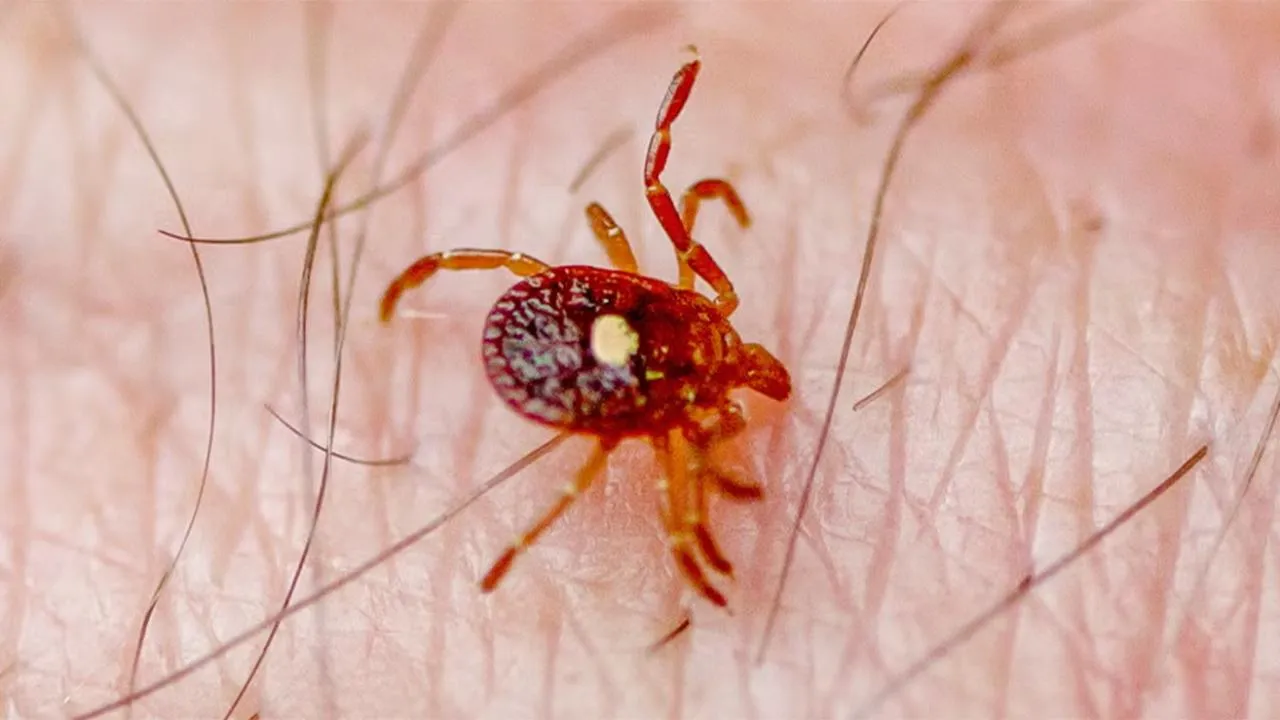
Known for its distinctive white marking and aggressive behavior, this species has gained attention for its potential to transmit illnesses like ehrlichiosis and alpha-gal syndrome. However, while the risks are real, the situation is often far less dangerous than it feels in the moment.
The key is knowing how to respond quickly and correctly. Most lone star tick bites do not result in disease, particularly when the tick is removed promptly. This guide will walk you through how to identify a lone star tick, remove it safely, monitor for symptoms, and reduce your chances of future bites. With the right information, you can handle the situation calmly and confidently.
How to identify a lone star tick
Correct identification is an important first step when dealing with any tick bite. Lone star ticks have some distinct visual features that set them apart from other species.
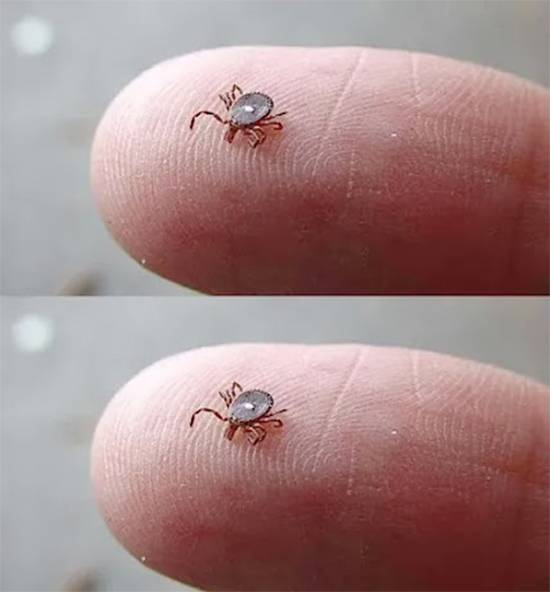
Adult females are the easiest to recognize due to the single white dot on their back. Adult males do not have this dot but instead display scattered white markings along the edges of their bodies. Younger ticks, such as nymphs and larvae, are much smaller and lack obvious markings, making them harder to identify.
These ticks are commonly found in the southeastern, eastern, and midwestern United States. They prefer wooded areas, tall grass, and brush. Unlike many other ticks, lone star ticks are more aggressive and may actively move toward a host.
How to remove a tick safely and correctly
Proper tick removal is the most important step in reducing the risk of infection. Using incorrect methods can increase the chances of disease transmission.
Use fine-tipped tweezers to grasp the tick as close to your skin as possible. Pull upward slowly and steadily without twisting or jerking. This helps ensure the entire tick is removed, including the mouthparts.
After removal, clean the bite area thoroughly with soap and water or rubbing alcohol. Wash your hands carefully as well. If a small part of the tick remains embedded, avoid digging into the skin. In most cases, your body will naturally push it out over time.
Avoid home remedies like burning the tick or applying substances such as petroleum jelly. These methods can stress the tick and increase the risk of harmful bacteria entering your body.
What symptoms to watch for after a bite
Most tick bites do not lead to illness, but it is important to stay alert for symptoms over the next one to three weeks. Early detection can make a significant difference in treatment outcomes.
Common symptoms of tick-borne illness include fever, fatigue, muscle aches, and headaches. In some cases, a rash may develop, especially with conditions like STARI. Pay attention to any unusual reactions, particularly if they appear days after the bite.
Alpha-gal syndrome is another condition linked to lone star ticks. It can cause allergic reactions several hours after eating red meat, including hives, swelling, or digestive issues. Seek medical attention if you experience high fever, difficulty breathing, confusion, or persistent vomiting. These symptoms require prompt evaluation.
Do you need antibiotics after a tick bite
Many people assume antibiotics are necessary after any tick bite, but this is not always the case. For lone star ticks, preventive antibiotics are not typically recommended unless symptoms develop.
Healthcare providers usually take a watchful waiting approach. If signs of infection appear, treatment can begin quickly and effectively. Taking antibiotics unnecessarily can lead to side effects and antibiotic resistance, so it is best to follow medical guidance.
How long a tick must be attached to cause harm
The risk of disease transmission depends partly on how long the tick has been attached. Some infections, like ehrlichiosis, may be transmitted within 24 hours, which is faster than other tick-borne diseases.
This is why prompt removal is so important. The sooner the tick is removed, the lower the risk of infection. Regular tick checks after spending time outdoors can help you catch and remove ticks early.
How to prevent lone star tick bites in the future
Prevention is the most effective way to avoid tick-related health concerns. Taking a few simple precautions can significantly reduce your risk.
Use insect repellents that contain DEET or picaridin on exposed skin. Treat clothing with permethrin for added protection. Wearing long sleeves and tucking pants into socks can also create a barrier against ticks.
After spending time outdoors, perform a full-body tick check, focusing on areas like the scalp, armpits, and behind the knees. Showering soon after coming indoors can help wash away unattached ticks. Pets can also carry ticks into your home, so ensure they are protected with veterinarian-approved treatments.
Common myths about lone star ticks
There are several misconceptions about lone star ticks that can lead to unnecessary fear. One common myth is that they transmit Lyme disease. In reality, Lyme disease is spread by black-legged ticks, not lone star ticks.
Another misconception is that every tick bite leads to illness. While ticks can carry diseases, most bites do not result in infection, especially when handled properly. Understanding these facts can help you respond more calmly and make better decisions.
Why staying calm makes a difference
Panic can lead to mistakes, especially when removing a tick or deciding what to do next. Staying calm allows you to follow the correct steps and reduce your risk effectively.
With proper removal, symptom awareness, and preventive measures, you can manage tick encounters without unnecessary stress. Being informed is your best defense.
The bottom line on lone star tick bites
Finding a lone star tick on your skin can be unsettling, but it is a manageable situation. Acting quickly to remove the tick, monitoring your health, and taking preventive steps can significantly lower your risk of complications.
Most importantly, remember that the majority of tick bites do not lead to serious illness. With the right knowledge and approach, you can continue enjoying outdoor activities while staying safe and protected.






Yorumlar
Kalan Karakter: