
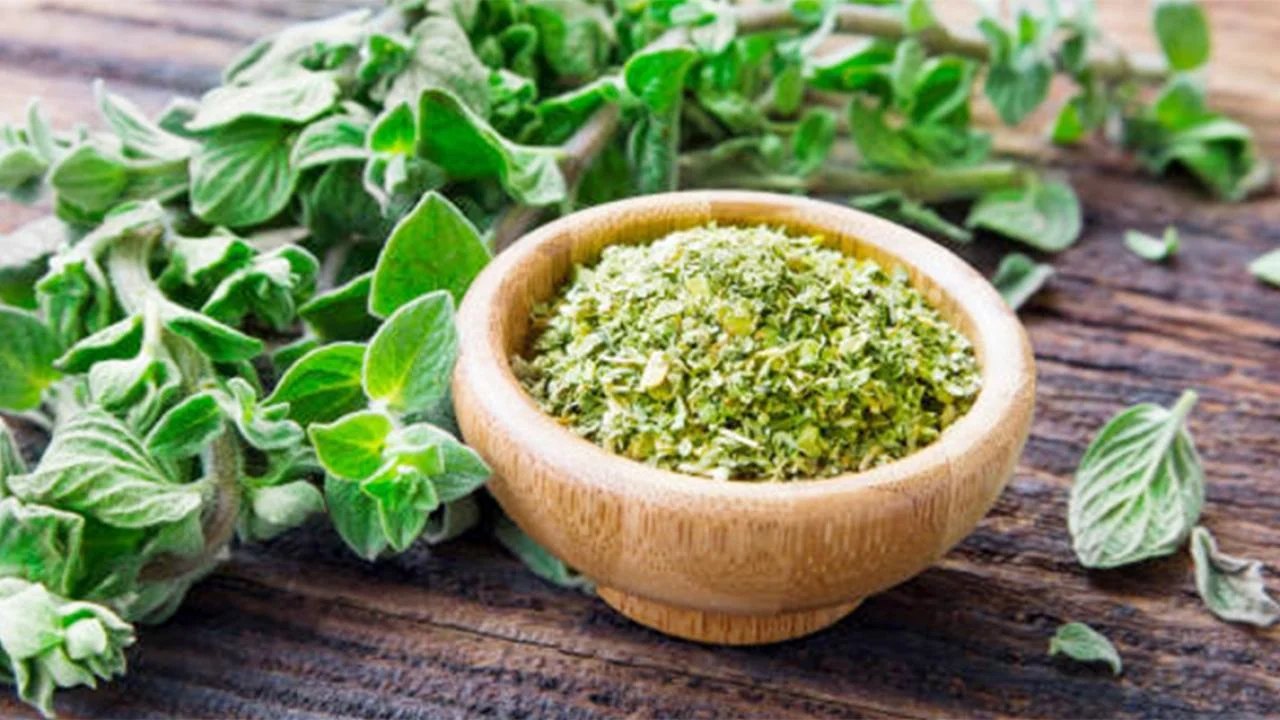
While there is no single food that can prevent illness or reverse aging, many natural ingredients contain compounds that may help support overall wellness. One such ingredient is oregano, a fragrant herb widely used in Mediterranean cooking.
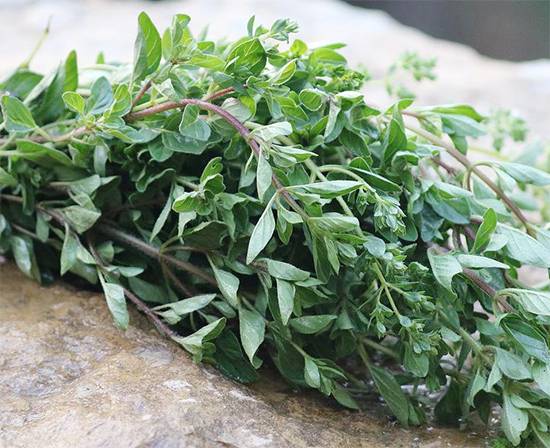
Often associated with pizza and pasta, oregano is much more than a flavor enhancer. Research suggests that this herb contains beneficial plant compounds that may support heart health, immune function, digestion, and healthy inflammation levels. Because seniors are more likely to experience issues related to immunity, circulation, and joint comfort, incorporating nutrient-rich herbs into everyday meals can be a simple and effective habit.
The good news is that oregano is easy to use, affordable, and widely available in both fresh and dried forms. Whether sprinkled over vegetables, added to soups, or brewed into herbal tea, oregano can easily become part of a healthy diet. In this article, we will explore five reasons seniors may benefit from adding oregano to their meals and how this small herb can contribute to long-term wellness.
Antioxidants in oregano that support healthy aging
One of the most valuable qualities of oregano is its high antioxidant content. Antioxidants are natural compounds that help protect the body from oxidative stress caused by free radicals. Over time, oxidative stress can damage cells and has been linked to aging and various chronic health conditions.
Oregano contains powerful antioxidants such as carvacrol, thymol, and rosmarinic acid. These plant compounds help neutralize free radicals and support cellular protection. As people age, the body’s natural defense systems become less efficient at managing oxidative damage. This is why antioxidant-rich foods become increasingly important in later years.
Adding herbs like oregano to meals is an easy way to increase antioxidant intake without making drastic dietary changes. Fresh oregano leaves, dried oregano seasoning, and even oregano tea can provide these beneficial compounds. When combined with other antioxidant-rich foods such as vegetables, fruits, nuts, and olive oil, oregano can help support overall health and healthy aging.
Heart health benefits of oregano for older adults
Heart health is a major concern for many adults over the age of sixty. Maintaining healthy cholesterol levels, supporting circulation, and managing inflammation are all important factors for cardiovascular wellness. While oregano should not replace medical treatment, some studies suggest that its natural compounds may contribute to heart-supportive nutrition.
Oregano contains plant-based nutrients that may help reduce inflammation in the body. Chronic inflammation is often associated with cardiovascular issues, and reducing it through diet may support long-term heart health. Additionally, certain compounds in oregano may play a role in supporting healthy cholesterol balance.
Using oregano as a seasoning instead of excessive salt can also be beneficial. Many seniors are advised to limit sodium intake, and herbs provide a flavorful alternative. By enhancing meals with oregano, garlic, and other herbs, individuals can enjoy tasty food while supporting a heart-conscious diet.
Immune-supporting properties found in oregano
As people age, the immune system naturally becomes less responsive. This change can make older adults more vulnerable to infections and seasonal illnesses. For this reason, many seniors look for natural ways to support immune function through nutrition.
Oregano has long been used in traditional herbal practices for its antimicrobial and immune-supportive properties. One of its key compounds, carvacrol, has been studied for its ability to help combat certain bacteria and support the body’s natural defense mechanisms.
While oregano alone cannot prevent illness, it may contribute to a diet that supports immune resilience. Many people enjoy drinking oregano tea during colder months as a warm and comforting herbal beverage. Combined with other immune-supporting foods such as garlic, ginger, citrus fruits, and leafy greens, oregano can be part of a well-rounded approach to maintaining health.
Digestive support and gut health advantages
Digestive issues become more common with age. Slower digestion, bloating, and occasional stomach discomfort can affect many seniors. Certain herbs have traditionally been used to support digestion, and oregano is one of them.
Oregano may help stimulate digestive enzymes, which assist the body in breaking down food more efficiently. Better enzyme activity can contribute to smoother digestion and improved nutrient absorption. In addition, oregano contains mild antimicrobial compounds that may help maintain a balanced gut environment.
Including oregano in everyday meals can gently support digestive health. It pairs well with roasted vegetables, soups, salads, tomato-based sauces, and whole-grain dishes. Because it enhances flavor naturally, oregano can make healthy meals more enjoyable while providing potential digestive benefits.
Anti-inflammatory compounds that support joint comfort
Low-grade chronic inflammation is often associated with joint stiffness, muscle discomfort, and reduced mobility in older adults. While medication may be necessary for certain conditions, diet also plays a role in managing inflammation levels in the body.
Oregano contains natural anti-inflammatory compounds that may help support a healthy inflammatory response. These compounds work alongside other plant nutrients to help the body maintain balance. When incorporated into a diet rich in vegetables, healthy fats, and whole foods, oregano may contribute to overall comfort and mobility.
Many Mediterranean-style diets include oregano along with other anti-inflammatory ingredients such as olive oil, garlic, turmeric, and leafy greens. This combination of nutrient-dense foods is widely recognized for supporting long-term health and reducing inflammation-related concerns.
Simple ways seniors can add oregano to daily meals
One of the best things about oregano is how easy it is to include in everyday cooking. It requires no special preparation and can be used in many common dishes. Even small amounts added regularly can contribute flavor and beneficial plant compounds.
Seniors can sprinkle dried oregano over eggs, avocado toast, or roasted vegetables for an instant flavor boost. Fresh oregano leaves can be added to salads, homemade salad dressings, or pasta dishes. Another popular option is brewing oregano tea by steeping a few leaves or dried oregano in hot water with lemon.
Oregano also pairs well with olive oil to create a simple dip for whole-grain bread. It can be mixed into soups, marinades, or tomato sauces for additional flavor and aroma. These small additions make it easy to enjoy oregano regularly without changing eating habits dramatically.
Oregano may seem like a simple kitchen herb, but it offers a variety of natural compounds that can support overall wellness. From antioxidant protection and immune support to digestive health and anti-inflammatory benefits, this Mediterranean herb provides more than just flavor.
For seniors who want to maintain a healthy lifestyle through balanced nutrition, oregano can be an easy and affordable addition to daily meals. However, it is important to remember that herbs should complement, not replace, medical care or prescribed treatments.
Older adults who take blood thinners, blood sugar medications, or other prescriptions should consult a healthcare provider before using concentrated oregano supplements or oils. When used as a culinary herb, though, oregano is generally considered safe and beneficial for most people.
Sometimes the simplest ingredients offer meaningful support for long-term health. By adding oregano to soups, vegetables, salads, and teas, seniors can enjoy both its rich flavor and its potential health-supporting properties as part of a balanced, nourishing diet.





Yorumlar
Kalan Karakter: