

The full Pink Moon will light up the night sky on April 1, aligning with April Fools’ Day and arriving just as spring begins to take hold across the Northern Hemisphere. Despite its name, this moon won’t glow pink, but it still carries deep seasonal and cultural significance tied to nature’s renewal. Skywatchers in Oregon and beyond can expect a bright, striking full moon that also plays a role in determining the timing of Easter. Alongside this lunar highlight, April offers even more to astronomy enthusiasts, including the annual Lyrid meteor shower. Whether you’re a casual observer or a dedicated stargazer, this guide explains everything you need to know about the Pink Moon in 2026, from when to see it to why it matters.
When to see the pink moon in April 2026
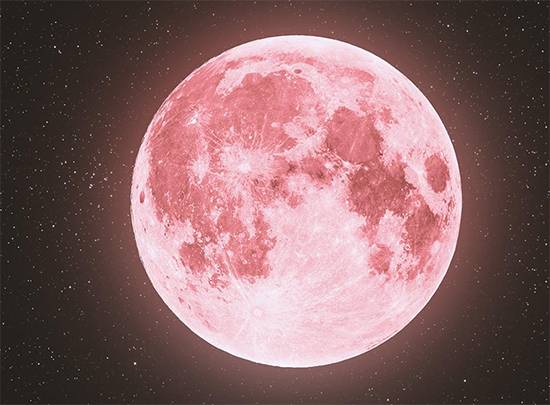
In Oregon, including cities like Salem and Eugene, the moon will rise at around 7:42 p.m. on March 31, just after sunset. This is often the best time to view a full moon because it appears larger and more golden near the horizon, creating a visually dramatic effect.
For the most accurate viewing times, it’s helpful to check a moonrise and moonset calculator based on your ZIP code. Clear skies and minimal light pollution will enhance your experience, making the moon appear more vivid and detailed.
Why it is called the pink moon
Despite its colorful name, the Pink Moon does not actually appear pink. The name comes from Native American and early colonial traditions that linked full moons to seasonal changes in nature.
April’s full moon is named after the “moss pink” wildflower, also known as creeping phlox. This plant blooms in early spring across parts of North America and is one of the first signs that winter has ended. Its soft pink petals inspired the name, symbolizing renewal and growth.
The Pink Moon is one of many full moons with nature-inspired names, reflecting agricultural cycles and environmental observations. These names have been preserved over generations and are still widely used today in astronomy and popular culture.
Why the pink moon matters in the calendar
The April full moon is also known as the Paschal Moon, which holds importance in determining the date of Easter. Easter Sunday is celebrated on the first Sunday after the first full moon following the spring equinox.
In 2026, the Pink Moon falls on April 1, making it the Paschal Moon for that year. This directly influences when Easter is observed, linking lunar cycles with religious traditions that have been followed for centuries.
This connection between astronomy and cultural observances highlights how closely human life has historically been tied to the rhythms of the natural world.
Best ways to watch the pink moon
Viewing the Pink Moon does not require any special equipment, making it one of the most accessible astronomical events. However, a few simple tips can significantly improve your experience.
Choose a location with a clear view of the eastern horizon for moonrise. Parks, open fields, or elevated areas away from city lights are ideal. Bringing binoculars or a small telescope can reveal more details, such as craters and surface patterns.
Weather conditions also play a crucial role. Clear skies will offer the best visibility, while clouds can obscure the moon entirely. Checking the local forecast ahead of time can help you plan the perfect viewing moment.
Other astronomical events in April 2026
April isn’t just about the Pink Moon. The month also features the Lyrid meteor shower, one of the oldest known meteor showers in recorded history.
The Lyrids will be active from April 15 to April 29, with a peak expected on the night of April 22. During peak activity, viewers may see around 10 to 20 meteors per hour under ideal conditions.
These meteors are known for their fast, bright streaks and occasional fireballs. The best time to watch is after midnight, when the sky is darkest and the radiant point in the constellation Lyra is higher in the sky. Combining the Pink Moon with the Lyrids makes April 2026 an exciting month for anyone interested in stargazing.
The April 2026 Pink Moon offers more than just a beautiful night sky. It represents the transition into spring, carries historical and cultural meaning, and connects modern observers with traditions rooted in nature.
With its convenient timing and visibility, this full moon is an excellent opportunity to step outside, look up, and appreciate the changing season. Paired with the upcoming Lyrid meteor shower, April promises memorable moments for skywatchers of all levels.
Mark your calendar for April 1, keep an eye on the skies, and enjoy one of the most symbolic full moons of the year.






Yorumlar
Kalan Karakter: