
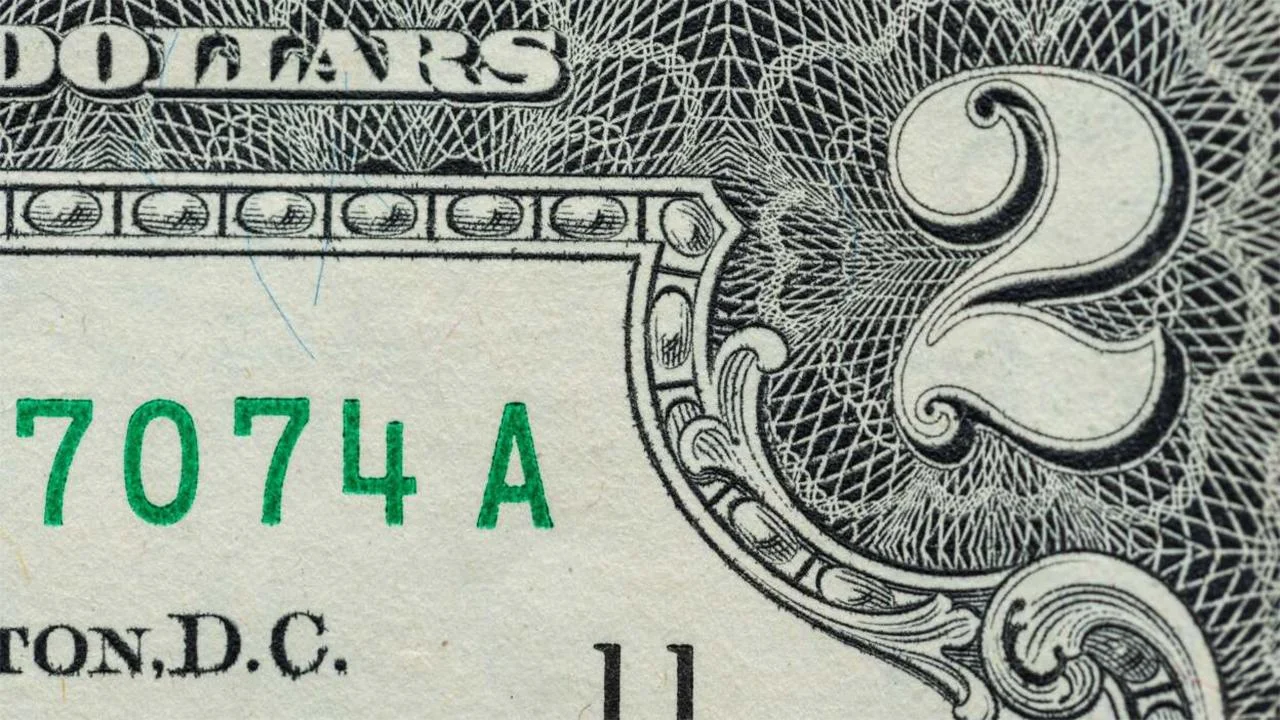
Many people assume the note is no longer printed or that it’s too rare to spend. Others treat it as a novelty item, tucking it away in drawers or gifting it for good luck. Yet the truth is far more intriguing. Not only are $2 bills still in circulation, but certain versions could be worth far more than their face value—sometimes reaching thousands of dollars among collectors.
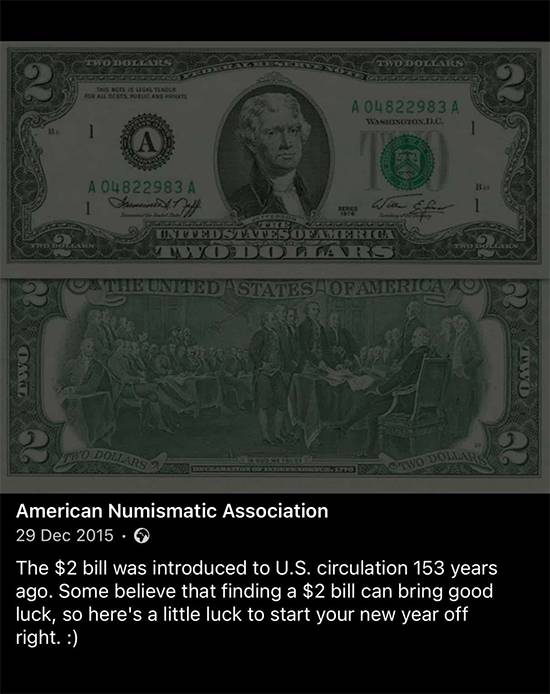
In recent years, interest in rare currency has surged, driven by online marketplaces, collector forums, and growing public curiosity about hidden treasures in everyday wallets. The $2 bill, once dismissed as impractical or even unlucky, is now gaining recognition as a fascinating piece of U.S. monetary history. Understanding what makes some of these notes valuable could mean the difference between spending two dollars—and holding onto a small fortune.
History of the $2 bill
The story of the $2 bill dates back to 1862, when the United States first issued it as Legal Tender Notes during the Civil War era. The original design featured Alexander Hamilton, but this changed in 1869 when Thomas Jefferson became the face of the denomination—a distinction he still holds today.
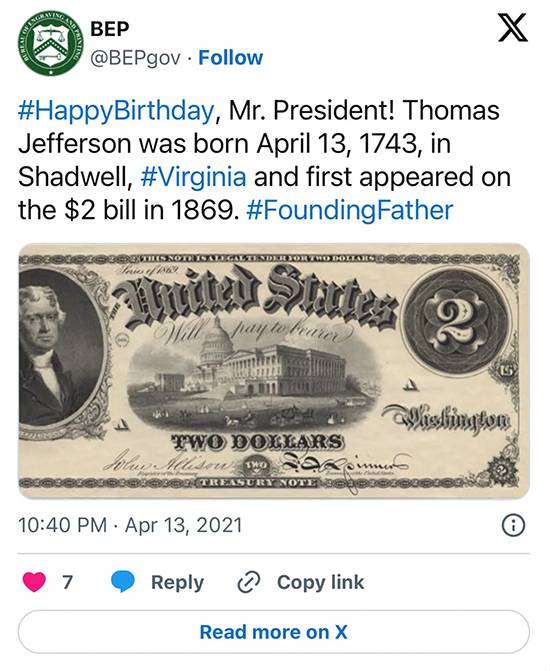
Over time, the reverse design also evolved. Early notes displayed Monticello, Jefferson’s Virginia estate. In 1976, to commemorate the U.S. Bicentennial, the back was redesigned to showcase John Trumbull’s famous painting of the signing of the Declaration of Independence. This version remains in use on modern $2 bills.
Despite its historical significance, the denomination never achieved widespread popularity. Lower production numbers and limited public demand contributed to its reputation as an uncommon curiosity rather than an everyday bill.
Circulation and modern usage
Contrary to popular belief, the $2 bill is not discontinued. The Federal Reserve reports that more than a billion $2 notes circulate in the United States today. While this is far fewer than $1 or $20 bills, it still represents a substantial presence in the money supply.
The Bureau of Engraving and Printing continues to produce $2 bills periodically, usually when Federal Reserve inventories need replenishing. However, because public demand is relatively low, new print runs are less frequent.
Many businesses accept $2 bills without issue, though cashiers unfamiliar with them sometimes pause to verify authenticity. This hesitation has helped perpetuate the myth that the denomination is rare or obsolete.
Superstitions and cultural myths
Part of the $2 bill’s mystique stems from long-standing superstitions. In the late 19th and early 20th centuries, gamblers reportedly believed carrying a $2 note brought bad luck. Some even tore off the corners to “break the curse,” unintentionally damaging the bills and reducing their future collectible value.
These beliefs were documented in historical newspapers, reinforcing the bill’s unlucky reputation. Ironically, such treatment made surviving unaltered examples rarer—and more valuable to collectors today.
In modern culture, the $2 bill has shifted from a symbol of misfortune to one of novelty. It’s often given as a unique gift, used in tipping traditions, or collected as a conversation piece.
What makes a $2 bill valuable
Not every $2 bill is worth more than face value, but several factors can dramatically increase its price among collectors. Age is one of the most important elements. Older notes—especially those from the 19th century—are far scarcer than modern issues.
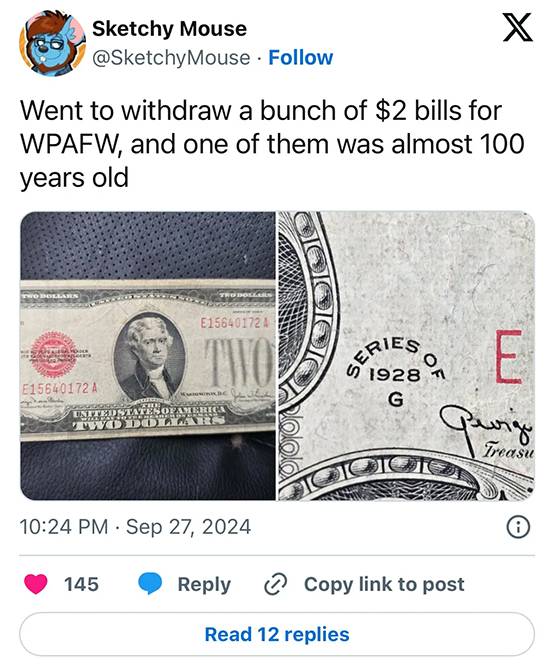
Seal color also matters. Early $2 bills featured red, blue, or brown Treasury seals, each associated with different series and printings. These colored seals are highly sought after compared to modern green seals.
Condition plays a critical role. Uncirculated notes with crisp paper, sharp corners, and no creases command the highest prices. Even minor wear can significantly reduce value. Rarity of the series and print run further influences desirability. Some years had limited production, making surviving notes harder to find.
High-value $2 bill examples
Certain historical ranges are particularly prized in the collector market.
Notes issued between 1862 and 1896 can be extremely valuable. Uncirculated examples with colored seals may reach up to $5,000, while circulated versions can still bring in over $1,000 depending on preservation.
Bills from 1917 to 1928 are also collectible. These typically sell for $50 to $1,000, with higher values tied to condition and rarity.
Bicentennial 1976 $2 bills are common, but uncirculated first-day issues or special serial runs may hold modest premiums.
The power of fancy serial numbers
One of the most exciting value drivers is the serial number. Collectors actively seek “fancy serial numbers,” which include:
Repeating digits (e.g., 77777777)
Low numbers (00000025)
Palindrome sequences (12344321)
Ladders (12345678)
Rare serial configurations can push a bill’s value into the thousands, even if the note itself is relatively modern. Unique or visually striking number patterns are especially desirable in online auctions.
How to check if your $2 bill is rare
If you suspect you have a valuable $2 bill, start with a visual inspection.
Look at the series year printed on the front. Older dates generally signal higher potential value.
Check the seal color and note condition. Crisp, uncirculated bills are worth more than worn examples.
Examine the serial number carefully for unusual patterns.
For confirmation, compare your note to recent auction sales or consult a professional currency appraiser. Third-party grading services can authenticate and assign condition ratings, which helps establish market value.
Why collectors love the $2 bill
Collectors are drawn to $2 bills for several reasons. Their lower circulation creates a sense of rarity without making entry prohibitively expensive. Beginners can start with modern notes, while advanced collectors pursue 19th-century issues or rare serials.
The denomination also offers rich historical connections—from Civil War finance to Bicentennial celebrations—making it both a monetary and cultural artifact. As interest in paper money collecting grows, the $2 bill continues gaining recognition as an accessible yet potentially lucrative collectible.
The $2 bill may seem like an oddity in everyday transactions, but its story runs deep through American history, culture, and numismatics. While millions remain in circulation, select editions possess remarkable collector value—sometimes reaching thousands of dollars.
By examining factors like age, seal color, condition, and serial numbers, anyone can determine whether their $2 note is ordinary currency or a hidden treasure. So the next time you receive one in change, think twice before spending it—it might be worth far more than two dollars.





Yorumlar
Kalan Karakter: