
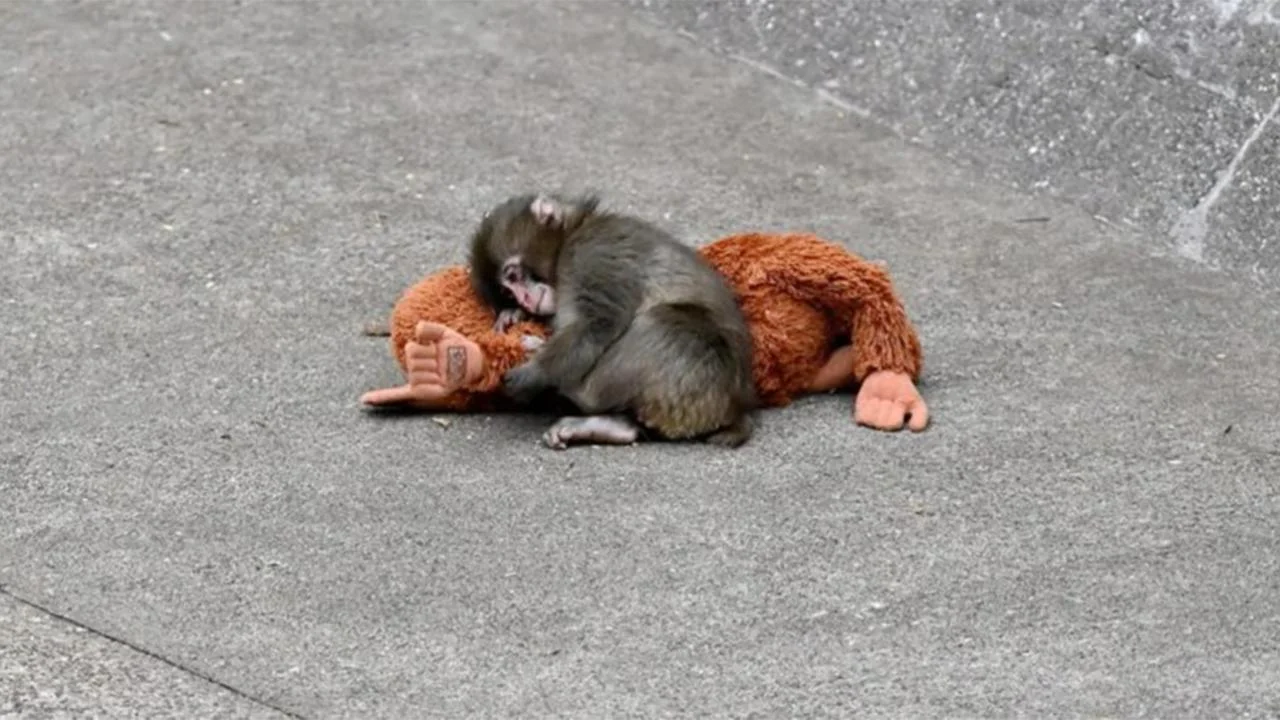
After viral videos showed him clinging to his plush companion and appearing to be pushed around by older monkeys, fans began raising concerns about his safety and overall well-being. Now, Ichikawa City Zoo has responded with a comprehensive update addressing not only Punch’s integration into the troop but also wider concerns about the health of the Japanese macaques and the zoo’s environment.
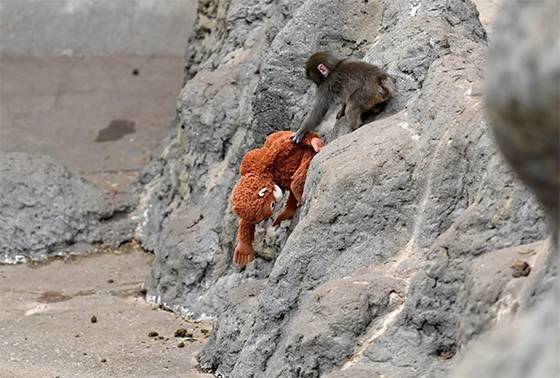
The update comes amid growing public interest in zoo animal welfare, particularly when it involves young and vulnerable animals. While some online viewers interpreted the monkeys’ behavior as bullying, zookeepers insist that Punch is not in danger and is going through a natural social adjustment process. In addition, the zoo has clarified concerns about hair loss among several macaques, reassuring visitors that veterinary assessments show no serious illness. Here’s everything you need to know about Punch’s current condition and the zoo’s response.
Viral rise of Punch the baby monkey
Punch became an internet sensation after videos showed the tiny macaque carrying around a stuffed orangutan toy for comfort. Born in July last year, Punch was rejected by his biological mother shortly after birth. As a result, zookeepers stepped in to hand-raise him, providing round-the-clock care to ensure his survival.
Hand-rearing baby primates is a delicate and resource-intensive process. It often requires bottle-feeding, close monitoring, and gradual socialization. In Punch’s case, his stuffed toy appears to serve as a substitute comfort object, helping him cope emotionally as he transitions into life within a larger monkey troop.
His heartwarming story quickly spread across platforms like X and TikTok, where viewers expressed deep emotional attachment. However, the same visibility that made Punch famous also led to intense scrutiny of his living conditions.
Concerns over troop integration and alleged bullying
Since January 19, Punch has been living with the main Japanese macaque troop at Ichikawa City Zoo. Social media clips showing him being pushed or scolded by older monkeys sparked concern among viewers, many of whom feared he was being bullied.
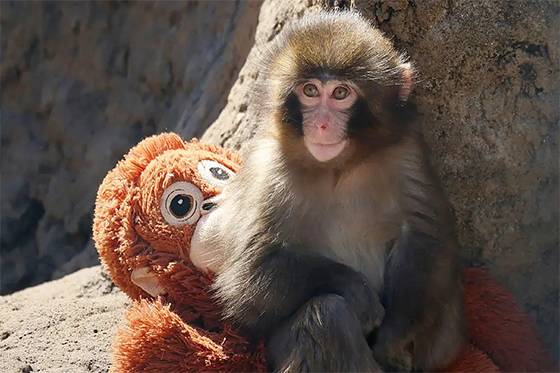
Zoo officials have addressed these concerns directly. According to their statement, although Punch has been scolded multiple times, no individual monkey has displayed serious aggression toward him. In primate social structures, scolding and physical correction are common methods of establishing hierarchy and teaching boundaries.
Experts in primate behavior explain that integration into a troop is a critical developmental stage for young macaques. Social correction helps young monkeys learn appropriate behaviors and find their place within the group. While the interactions may appear harsh to human observers, they are often normal parts of troop dynamics.
The zoo emphasized that closely monitoring Punch’s integration is their top priority. Staff members are carefully observing his interactions to ensure he remains safe while gaining necessary social experience.
Hair loss concerns and veterinary assessment
In addition to worries about Punch’s social treatment, visitors have expressed alarm over visible hair loss among some Japanese macaques in the enclosure. Images circulating online show patches of thinning fur, leading to speculation about possible illness or poor living conditions.
Ichikawa City Zoo addressed these concerns in a public statement, explaining that a few macaques exhibit alopecia, or hair loss. However, veterinarians have confirmed that the animals’ food intake and body weight are appropriate, and no underlying disease has been identified.
The zoo believes the primary cause of the hair loss is excessive grooming behavior within the troop. Overgrooming can occur in primates due to social bonding habits or environmental stress factors. To address this, three staff members have reportedly been working together since June 2025 to test new strategies aimed at improving group dynamics and reducing the behavior.
Monitoring animal health conditions and adjusting enrichment strategies are standard practices in modern zoo management. The zoo reassured visitors that animal welfare remains their top priority.
Environmental enrichment and monkey mountain conditions
Another focal point of public debate has been the environment of the monkey mountain enclosure. Critics online questioned whether the habitat provides sufficient enrichment and shelter for the macaques.
In response, the zoo clarified that four indoor rooms are permanently open behind the main exhibit area. These spaces are not visible to visitors and offer shelter and privacy. Punch frequently uses these hidden areas when he needs to retreat from the group.
Additionally, the enclosure contains numerous trees and climbing structures designed to stimulate natural behaviors. According to the zoo, these elements have become popular play tools, particularly for younger monkeys like Punch.
Zoo officials cautioned against making drastic changes to the environment at this sensitive stage. A radical redesign of the habitat could disrupt the troop’s social balance and potentially increase stress, which may negatively affect Punch’s integration process.
Balancing public scrutiny with animal welfare priorities
Punch’s story highlights a broader shift in how the public engages with zoo animal welfare issues. Social media has amplified awareness, allowing people worldwide to monitor and comment on the treatment of captive animals in real time.
While increased transparency can encourage higher standards in veterinary care and habitat enrichment, it can also lead to misunderstandings about normal animal behavior. Zoo professionals must balance public expectations with established knowledge of primate social systems.
Ichikawa City Zoo has asked supporters to rely on verified updates rather than viral clips taken out of context. They reaffirmed their commitment to improving the monkeys’ living conditions while ensuring Punch safely becomes a full member of the troop.
As global discussions around wildlife conservation, ethical animal management, and zoo standards continue to grow, stories like Punch’s serve as powerful reminders of the emotional connection people feel toward animals. For now, zoo officials maintain that Punch is healthy, closely monitored, and steadily adjusting to his new social world.
Supporters eager to follow Punch’s journey are encouraged to keep an eye on official zoo announcements for accurate and timely information about his progress and the welfare of the Japanese macaques.






Yorumlar
Kalan Karakter: