

Many people try exfoliating scrubs, brightening creams, or home remedies with little success, which can be frustrating and discouraging. The good news is that age spots are not permanent. Skin experts agree that the right nutrients can help your skin renew itself. Among all skincare vitamins, one stands out for its ability to fade dark spots, improve skin tone, and support healthy aging. Understanding how this vitamin works and how to use it correctly can help you restore a brighter, more even complexion naturally.
The real reason age spots appear
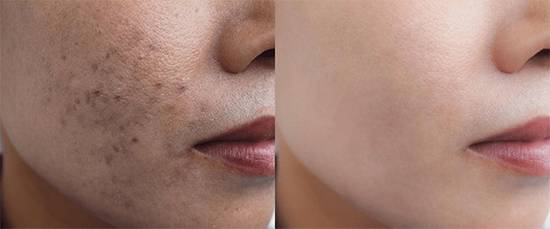
As the skin ages, its natural cell turnover slows down, meaning pigmented cells are shed more slowly. This combination of sun damage and reduced renewal causes age spots to linger and become more visible. Genetics, hormonal changes, and lifestyle factors such as smoking or pollution exposure can also contribute to uneven skin tone.
The best vitamin for removing age spots
Vitamin C is widely considered the best vitamin for removing age spots naturally. Dermatologists often refer to it as a brightening vitamin because it helps reduce excess melanin production in the skin. By interfering with the pigment formation process, Vitamin C can gradually fade existing dark spots and help prevent new ones from forming. It is also a powerful antioxidant, which means it protects the skin from environmental damage that accelerates aging. Regular use can result in clearer, smoother, and more radiant skin over time.
How Vitamin C improves skin appearance
Vitamin C does more than lighten dark spots. It plays a key role in collagen production, which is essential for firm and youthful-looking skin. As collagen levels decline with age, wrinkles and sagging become more noticeable. Vitamin C supports the enzymes responsible for collagen synthesis, helping improve skin elasticity and texture. It also helps reduce redness, supports wound healing, and strengthens the skin barrier. These combined benefits make Vitamin C one of the most effective anti-aging skincare ingredients available.
Why Vitamin C products sometimes fail
Many people try Vitamin C skincare products and feel disappointed with the results. This usually happens because not all Vitamin C formulas are equally effective. The most researched and potent form is L-ascorbic acid, but it is also unstable and can lose effectiveness when exposed to air, heat, or light. Low concentrations or poorly packaged products may not deliver noticeable benefits. Consistency is also essential. Vitamin C works gradually, and visible improvements typically appear after several weeks of regular use.
Nutrients that enhance Vitamin C results
Vitamin C works even better when paired with complementary nutrients. Vitamin E helps protect the skin from oxidative stress and enhances antioxidant activity. Ferulic acid stabilizes Vitamin C and improves its effectiveness. Niacinamide supports moisture retention and skin barrier health, while zinc aids skin repair and healing. Together, these nutrients create a powerful combination that supports brighter, healthier-looking skin and reduces the appearance of age spots more effectively.
How to use Vitamin C safely and effectively
To get the best results, apply Vitamin C to clean skin once or twice daily. Most experts recommend a concentration between 10 and 20 percent for visible improvement. Follow with a moisturizer to lock in hydration and always use sunscreen during the day. Sun protection is essential because UV exposure can reverse progress and cause new age spots. In addition to topical use, eating Vitamin C-rich foods such as oranges, kiwi, bell peppers, and broccoli supports skin health from within.
Nighttime routines for better absorption
Skin repair is most active during sleep, making nighttime an ideal time to apply Vitamin C. Applying it in the evening allows the skin to absorb nutrients without interference from sunlight or pollution. Gently warming the product between your hands before application can improve absorption. Using a simple, consistent routine is more effective than applying multiple products irregularly.
The importance of lifestyle and stress management
Stress can negatively affect skin health by increasing cortisol levels, which may interfere with collagen production and worsen pigmentation. Incorporating relaxation techniques into your skincare routine can support better results. Adequate sleep, hydration, and a balanced diet all contribute to healthier skin and improved tone. Skincare works best when combined with overall wellness.
Supporting skin health from the inside
An inside-out approach enhances the effects of topical treatments. Vitamin C-rich foods help support collagen production, immune health, and skin renewal. Fruits and vegetables such as strawberries, papaya, citrus fruits, and leafy greens provide essential antioxidants that protect the skin from premature aging. This holistic approach helps maintain long-term results.
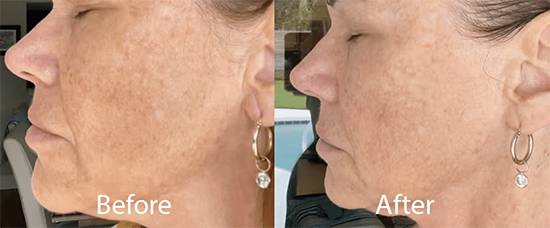
Age spots are a common part of aging, but they do not have to define your appearance. Vitamin C offers a natural and effective way to fade dark spots, brighten skin tone, and support healthy aging. With consistent use, proper sun protection, and supportive lifestyle habits, your skin can regain a more youthful and radiant look. This information is for educational purposes only and is not a substitute for professional medical advice. Always consult a qualified healthcare provider for personalized skincare recommendations.





Yorumlar
Kalan Karakter: