
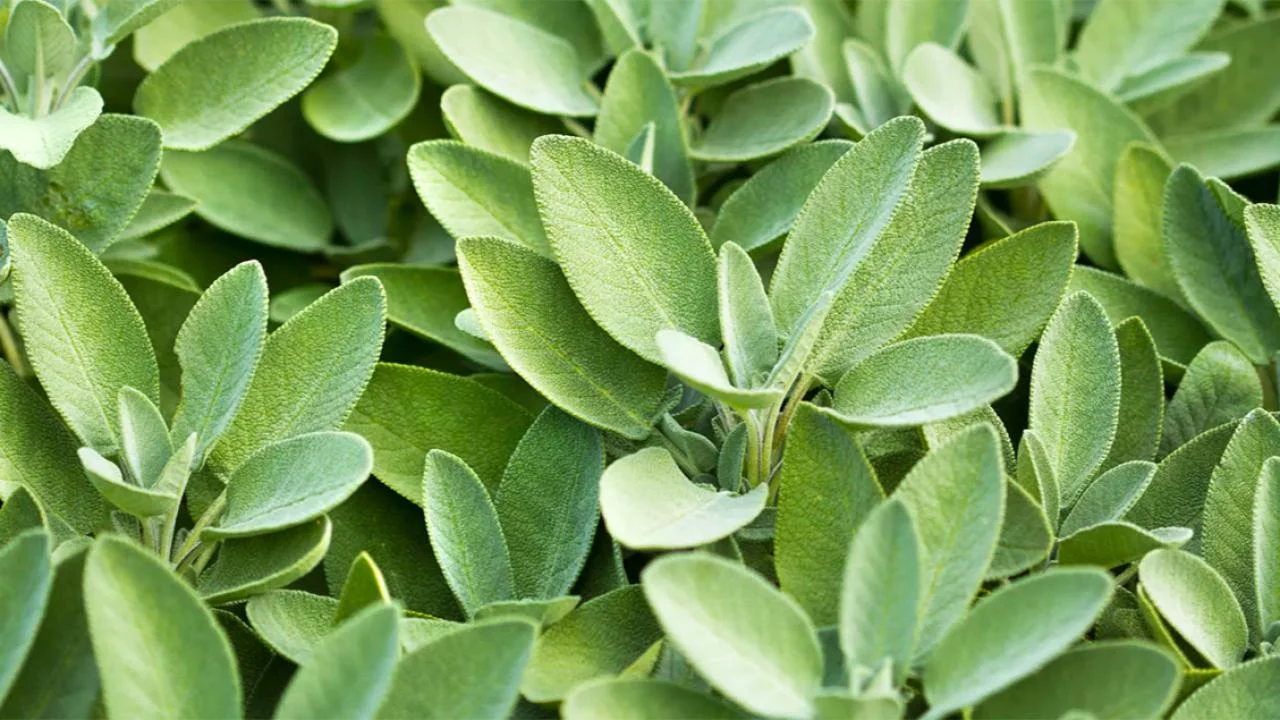
Our grandparents relied on it not only to flavor food, but also to support digestion, freshen living spaces, and protect their gardens. Today, as more people search for natural remedies, sustainable gardening, and traditional herbs, sage is experiencing a well-deserved revival.
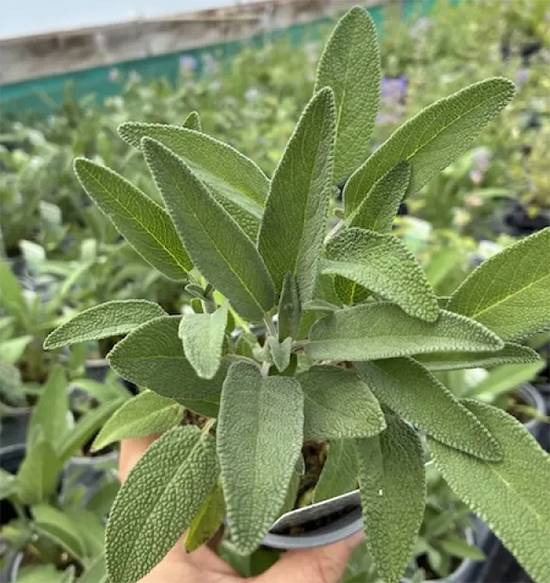
This aromatic herb stands out because it is practical, resilient, and deeply rooted in tradition. Sage grows easily, stores well, and offers benefits that extend far beyond the kitchen. Whether you are interested in cooking with herbs, exploring natural wellness practices, or creating a healthier garden environment, sage delivers value in simple yet meaningful ways. Understanding how to use sage properly allows you to reconnect with time-tested knowledge while enhancing modern daily routines.
Culinary uses of sage in everyday cooking
Sage is best known as a culinary herb, prized for its bold, earthy flavor and slightly peppery aroma. Fresh sage leaves can be chopped and added to roasted vegetables, poultry, pork, and lamb, where their strong taste balances rich and savory dishes. Dried sage is equally useful and often preferred in slow-cooked meals such as soups, stews, and sauces because its flavor becomes deeper over time.
One of the most traditional uses of sage is in stuffing and bread-based recipes, where it adds warmth and complexity. Sage also pairs well with butter and olive oil. Gently heating sage leaves in butter creates a fragrant sauce that works beautifully with pasta, gnocchi, and squash dishes. Sage-infused oils are another practical option, offering a long-lasting way to preserve the herb while enhancing salads and grilled foods.
Herbal tea made from sage leaves has been enjoyed for centuries. The tea has a strong, comforting flavor and is often consumed after meals. Using sage in the kitchen not only improves taste but also connects cooking to traditional herbal wisdom.
Health and wellness traditions associated with sage
Sage has a long history in traditional wellness practices. While it is not a replacement for medical treatment, it has been valued as a supportive herb used in moderation. One of its most common traditional uses is for digestive support. Sage tea is often consumed to help reduce bloating and discomfort after heavy meals.
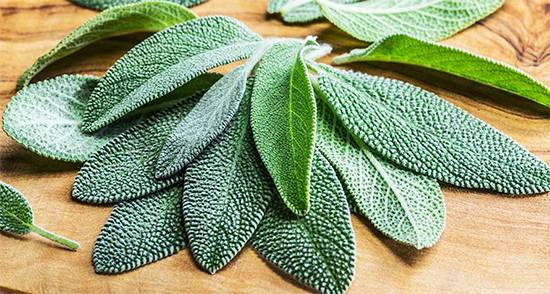
The aromatic compounds in sage are also associated with relaxation. The scent alone can feel grounding, which is why sage has been used in teas and gentle aromatherapy. In traditional households, sage leaves were sometimes simmered in water to release their fragrance throughout the home.
Sage contains natural antibacterial and anti-inflammatory compounds, which explains its historical use in mouth rinses and home remedies. Gargling cooled sage tea has been a traditional practice for soothing the throat. These wellness uses highlight how sage supports balance and daily comfort rather than acting as a quick fix.
Garden benefits of growing sage at home
Sage is not only useful indoors but also highly valuable in the garden. This hardy perennial thrives in well-drained soil and sunny locations, making it an excellent choice for beginner gardeners. Its silvery-green leaves and vibrant purple or blue flowers add texture and color to garden beds and containers.
One major benefit of sage plants is their ability to attract pollinators. Bees and butterflies are drawn to sage blossoms, helping improve pollination throughout the garden. This makes sage an excellent companion plant for vegetables and fruit-bearing plants.
Sage is also known for its natural insect-repelling properties. Its strong scent can help deter flies, mosquitoes, and certain garden pests. Planting sage near patios, doorways, or outdoor seating areas can make outdoor spaces more comfortable while reducing the need for chemical repellents.
Household and traditional uses passed down through generations
Beyond cooking and gardening, sage has played a role in maintaining the home. In many cultures, dried sage was used to freshen indoor air. Bundles of sage leaves were hung in kitchens or storage areas to discourage insects and odors.
Sage was also valued for its preserving qualities. Before refrigeration, herbs like sage were used to help keep foods fresher for longer periods. Its strong aroma made it useful in pantries and cupboards.
These household uses reflect a time when plants served multiple purposes. Sage was not treated as a single-use herb but as an essential part of daily life, valued for its reliability and versatility.
Why sage remains relevant in modern life
In today’s world, people are increasingly drawn to natural living, herbal remedies, and sustainable gardening. Sage fits perfectly into these trends. It is easy to grow, affordable, and adaptable to many uses. Whether you live in a house with a garden or an apartment with a sunny windowsill, sage can thrive with minimal care.
Using sage encourages mindful living. It reminds us to slow down, prepare food thoughtfully, and appreciate simple solutions. From seasoning meals to supporting wellness routines and enhancing outdoor spaces, sage continues to prove its worth.
Sage teaches an important lesson: usefulness does not need to be complicated. This humble herb has served generations with consistency and grace. When respected and used wisely, sage offers far more than flavor. It offers a connection to tradition, nature, and a simpler way of living that still holds value today.





Yorumlar
Kalan Karakter: