

Yet, despite their bad reputation, spiders play a vital role inside our houses. They are not invaders plotting against us, nor are they signs of a dirty home. In reality, spiders are quiet allies that help control insect populations, protect indoor ecosystems, and coexist peacefully with humans. Understanding why spiders live indoors and what they actually do can change the way you see them. Before you kill the next spider you encounter, it’s worth learning why letting it live may be the smarter, healthier, and more environmentally friendly choice.
Why spiders live in your home

Basements, garages, corners of ceilings, and rarely disturbed areas are ideal habitats for web-building spiders. These spaces allow them to hunt without being noticed. Their presence does not mean your home is infested or unclean. It simply means your house, like almost all others, is part of a larger ecosystem where small creatures coexist.
How spiders help control household pests
One of the most important reasons you should never kill a spider in your home is pest control. Spiders are natural predators that feed on a wide range of insects. They catch flies, mosquitoes, cockroaches, gnats, and other nuisance pests that humans actively try to eliminate.
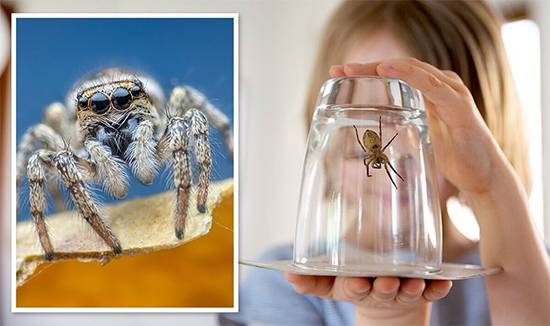
Mosquitoes, in particular, are not just annoying but can carry diseases. By preying on them, spiders reduce the number of insects that might otherwise bite you or spread illness. Some spiders even hunt other spiders, helping keep populations balanced. Removing spiders can unintentionally lead to an increase in insects, which may result in more bites, more buzzing, and a greater need for chemical insect control.
The truth about spider bites and venom
Fear of spider bites is one of the main reasons people kill spiders on sight. While it is true that most spiders are venomous, this fact is often misunderstood. Spider venom is designed to subdue tiny insect prey, not humans. In the vast majority of species, the venom is too weak to harm people, and many spiders cannot even pierce human skin.
Spider bites are extremely rare, and when they do occur, they are usually the result of a spider being trapped or threatened. Medically significant spiders, such as widow spiders or recluse spiders, exist in limited regions and are not aggressive. Even their bites are uncommon and rarely life-threatening. Compared to everyday risks, spiders pose very little danger to humans.
Spiders as part of the indoor ecosystem
Your home is not a sealed box separate from nature. It is part of a living system where insects, spiders, and humans interact. Spiders contribute to balance by keeping insect populations under control. When spiders are removed, that balance can shift, allowing pests to multiply more easily.

Killing spiders may seem insignificant, but repeated actions can disrupt this natural regulation. Spiders are efficient, chemical-free pest managers that work quietly and continuously. By allowing them to remain, you reduce the need for sprays, traps, and other pest control methods that can be harmful to the environment and human health.
Why spiders avoid humans
Despite common fears, spiders are not interested in people. They do not seek out humans to bite or attack. In fact, spiders generally prefer to stay hidden and avoid contact altogether. Humans are far more dangerous to spiders than spiders are to humans.
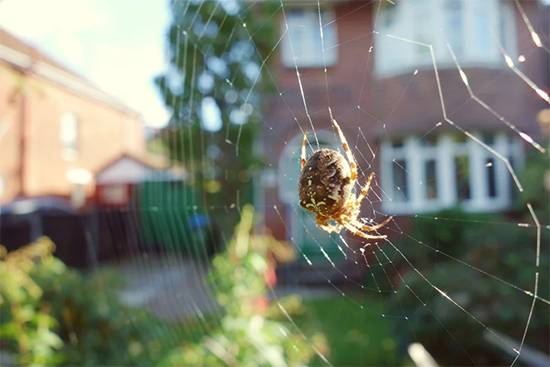
Most spiders you see indoors are simply passing through or accidentally wandering into view. If left alone, they will usually retreat to a corner or disappear entirely. Understanding this behavior can help reduce fear and encourage a more tolerant approach to sharing space.
What to do instead of killing a spider
If you truly cannot tolerate a spider in your living space, killing it is not the only option. A simple and humane solution is to capture the spider and release it outside. Using a glass and a piece of paper allows you to safely move the spider without direct contact.
Releasing spiders outdoors gives them a chance to survive while keeping your home comfortable for you. This approach respects the role spiders play in nature and avoids unnecessary harm. Over time, practicing this method can also help reduce fear and increase confidence around spiders.
Learning to coexist with spiders
Accepting spiders as part of your home does not mean you have to like them. It simply means recognizing their value and choosing coexistence over fear. Spiders have lived alongside humans for thousands of years, quietly performing their role in ecosystems large and small.
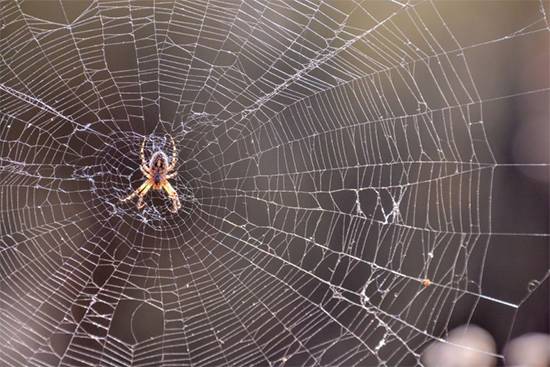
Even if you never see them, spiders will still be present in most homes. Instead of fighting this reality, embracing a live-and-let-live mindset can lead to fewer pests, less chemical use, and a greater appreciation for the natural world. The next time you spot a spider indoors, remember that it is likely helping you far more than harming you.





Yorumlar
Kalan Karakter: