
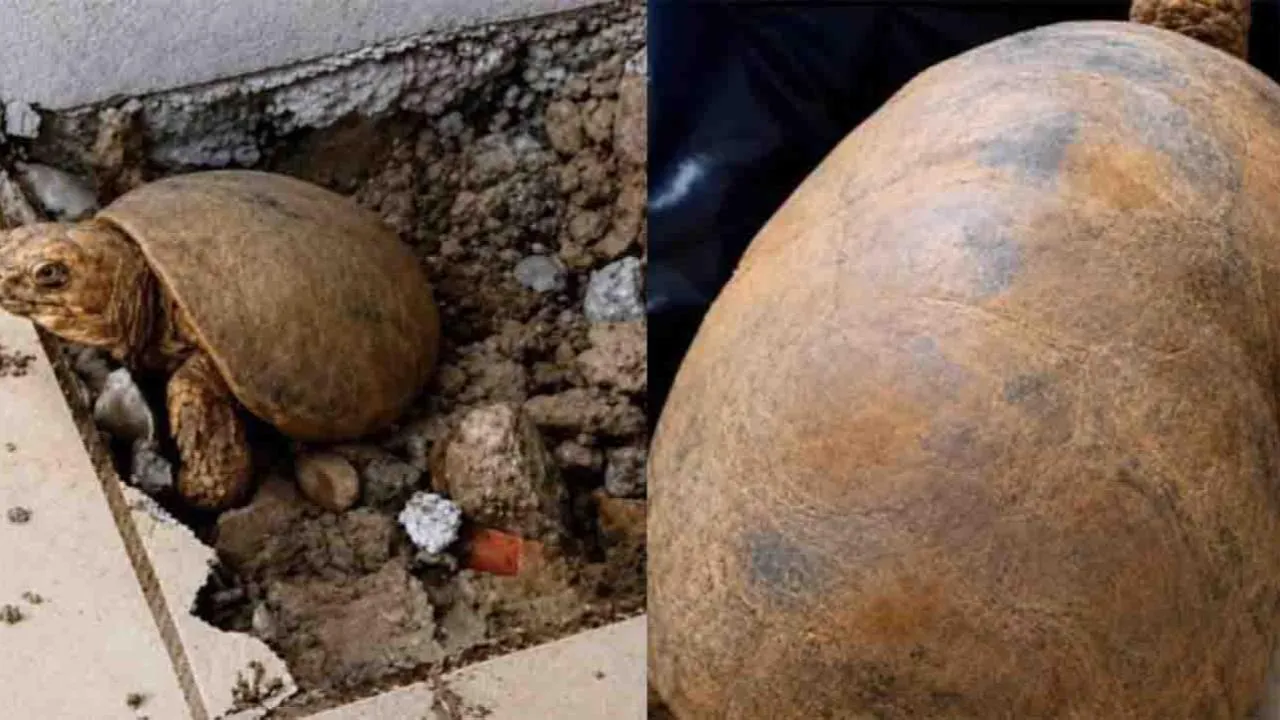
What began as a routine home renovation quickly turned into a remarkable wildlife rescue operation that surprised homeowners, veterinarians, and conservation experts alike. The discovery raised countless questions about how the tortoise managed to survive for such a long period with limited access to food, water, and sunlight.
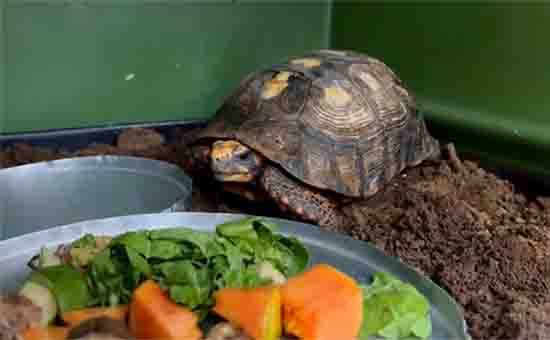
After being rescued, Donatello underwent months of specialized rehabilitation designed to restore his health and prepare him for life in a natural environment. His successful recovery and eventual release into the wild have become an inspiring example of animal resilience and the effectiveness of wildlife rehabilitation programs. Beyond the emotional appeal of this story, it also highlights the critical role that conservation organizations play in protecting vulnerable species and maintaining biodiversity around the world.
The surprising discovery beneath a family home
The remarkable rescue took place in February 2025 in Itacajá, a town located in Brazil’s Tocantins state. The homeowners initially believed they were dealing with a water leak beneath the floor of their house. To investigate the issue, they hired contractors to remove sections of flooring and inspect the area underneath.
Instead of finding damaged pipes or signs of water infiltration, workers uncovered a living red-footed tortoise hidden within a small cavity beneath the structure. The unexpected discovery immediately drew attention because the animal appeared to have been trapped there for many years.
Family members later suggested that the tortoise may have become confined during major renovation work conducted approximately a decade earlier. If true, Donatello had spent nearly ten years beneath the house with little exposure to the outside world.
How Donatello managed to survive for so long
One of the biggest mysteries surrounding this case is how the tortoise survived such an extended period in confinement. Wildlife experts believe that the species' unique biological characteristics played a crucial role.
Red-footed tortoises possess a naturally slow metabolism, allowing them to conserve energy far more effectively than many other animals. During periods of environmental stress, reptiles can significantly reduce their metabolic activity, helping them survive when resources become scarce.
Although the exact conditions beneath the house remain unclear, specialists speculate that Donatello may have had occasional access to moisture and small amounts of organic material. Combined with his ability to use energy efficiently, these limited resources may have been enough to sustain him over the years.
The case demonstrates the extraordinary adaptability of tortoises and highlights why reptiles are often considered some of nature’s most resilient survivors.
The rehabilitation process that restored his health
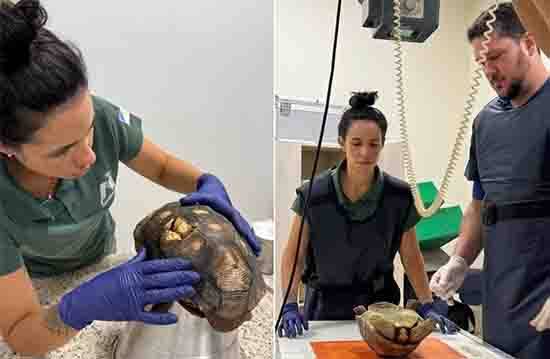
Following the rescue, Donatello was transferred to a wildlife rehabilitation center operated by the Nature Institute of Tocantins, known as Naturatins. Veterinarians conducted a comprehensive examination to assess his condition and determine the best course of treatment.
Despite the unusual circumstances, experts were surprised to find that the tortoise’s overall health was better than expected. However, years spent beneath the floor had led to several issues that required attention.
Veterinary teams treated shell deformities and gradually exposed Donatello to natural sunlight. Controlled exposure was necessary because the tortoise had likely spent years without direct access to natural environmental conditions.
In addition to medical care, specialists introduced a balanced diet designed to improve his nutrition and strengthen his immune system. Over time, his physical condition improved significantly, demonstrating the effectiveness of professional wildlife rehabilitation techniques.
Why socialization was important before release
Successful wildlife rehabilitation involves more than treating physical injuries. Animals must also demonstrate behaviors necessary for survival in their natural habitats.
For Donatello, this included interacting with other tortoises. Specialists carefully observed his behavior to determine whether he could adapt to a social environment after years of isolation.
Monitoring these interactions helped conservationists evaluate his readiness for release. The tortoise gradually displayed normal behaviors associated with healthy members of his species, providing confidence that he could thrive in the wild.
This stage of rehabilitation is particularly important because animals that lose natural instincts during captivity may struggle to survive after release. Donatello’s positive progress suggested that he retained the essential behaviors needed for life in a natural ecosystem.
The successful return to the wild
After more than six months of rehabilitation, Donatello reached a major milestone. Conservation officials determined that he had regained sufficient strength, adapted to outdoor conditions, and exhibited healthy behavior patterns.
As a result, he was released into a suitable natural habitat alongside other tortoises. The release marked the end of an extraordinary journey that began beneath the floor of a residential home and concluded with a return to freedom.
For wildlife experts, the successful release represented a significant conservation achievement. It demonstrated how timely intervention, professional veterinary care, and dedicated rehabilitation efforts can give rescued animals a second chance at life.
The event also served as an inspiring reminder that even animals found in seemingly hopeless situations can recover when provided with proper care and support.
The importance of wildlife rescue and conservation
Donatello’s story highlights the broader importance of wildlife rescue organizations and conservation programs worldwide. Every year, countless animals face threats ranging from habitat destruction and environmental changes to accidental entrapment and human-related hazards.
Wildlife rehabilitation centers provide critical services that include medical treatment, recovery support, behavioral assessment, and reintroduction programs. These efforts contribute directly to species preservation and ecosystem health.
Reptiles, including tortoises, often receive less public attention than mammals and birds, yet they play essential ecological roles. They contribute to seed dispersal, vegetation management, and the overall balance of natural habitats.
Continued investment in biodiversity conservation, environmental education, and wildlife protection initiatives helps ensure that vulnerable species receive the support necessary for long-term survival. Stories like Donatello’s not only inspire animal lovers but also raise awareness about the value of preserving the natural world.
The discovery of Donatello beneath a house floor in Brazil stands as one of the most remarkable wildlife survival stories in recent years. After potentially spending nearly a decade trapped in darkness, the resilient red-footed tortoise defied expectations by surviving, recovering, and ultimately returning to the wild. His journey underscores the incredible adaptability of reptiles and the vital role of wildlife rehabilitation programs in saving animals facing extraordinary challenges. As conservation efforts continue around the globe, Donatello’s story serves as a powerful reminder that resilience, expert care, and environmental stewardship can create remarkable outcomes for wildlife.






Yorumlar
Kalan Karakter: