
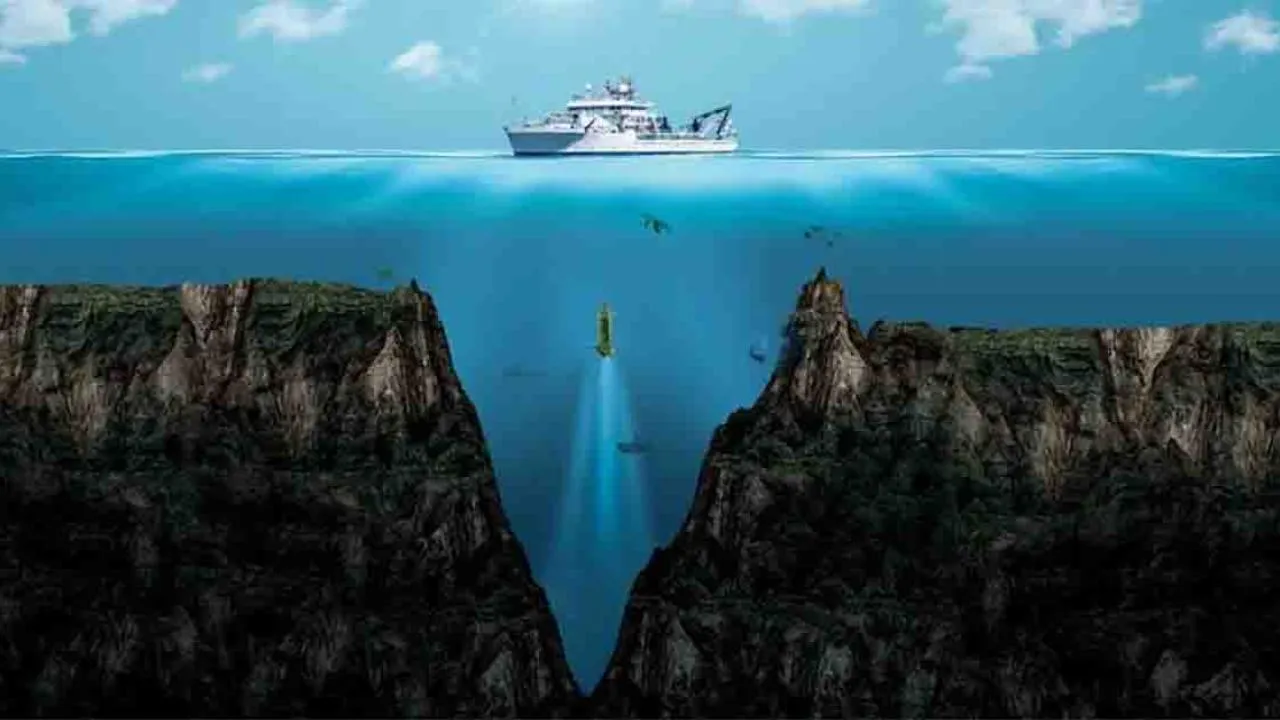
For decades, scientists viewed this remote underwater abyss as one of the last untouched places on the planet, far removed from the effects of human activity. However, a disturbing discovery changed that perception forever. Researchers found a plastic bag nearly 35,000 feet below the ocean’s surface, resting in one of the most isolated environments on Earth. This shocking find demonstrates that plastic pollution has spread far beyond coastlines, cities, and waterways, reaching even the deepest corners of the planet.
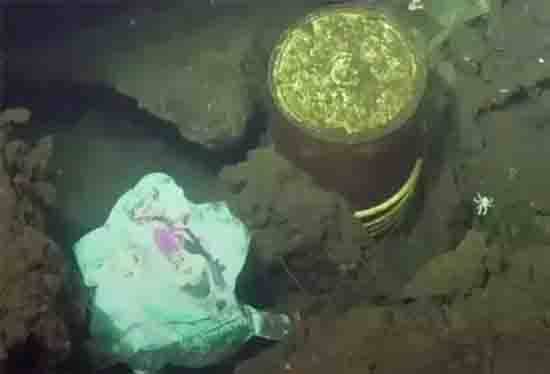
The discovery is more than just an environmental curiosity. It is a powerful symbol of humanity’s growing impact on natural ecosystems. As scientists continue exploring the ocean depths, evidence of plastic waste, microplastics, and chemical contaminants is appearing in places once believed to be pristine. The presence of a plastic bag in the Mariana Trench highlights the urgent need for global action against plastic pollution. Understanding how this debris arrived there and what it means for marine life can help raise awareness and inspire meaningful environmental change.
The discovery that stunned researchers
The discovery of plastic waste in the Mariana Trench shocked scientists and environmental advocates worldwide. The trench reaches depths of nearly 36,000 feet, making it the deepest oceanic trench on Earth. Because of its extreme depth, crushing pressure, and remote location, many assumed it would remain largely untouched by human pollution.
Researchers studying deep-sea debris identified a plastic bag among the waste collected from the trench. This finding became one of the most striking examples of how widespread ocean pollution has become. Instead of being confined to populated coastlines or busy shipping routes, plastic debris has infiltrated even the most inaccessible marine environments.
The discovery challenged previous assumptions about the limits of human influence on the natural world. It revealed that no ecosystem, regardless of distance or depth, is completely protected from pollution generated by human activities.
Marine life in the deepest parts of the ocean
Contrary to popular belief, the Mariana Trench is not an empty underwater wasteland. Scientists have documented a surprising variety of marine organisms living in these extreme conditions. Deep-sea coral, jellyfish, shrimp-like crustaceans, sea cucumbers, and unique species of fish have adapted to survive in the darkness and intense pressure of the trench.
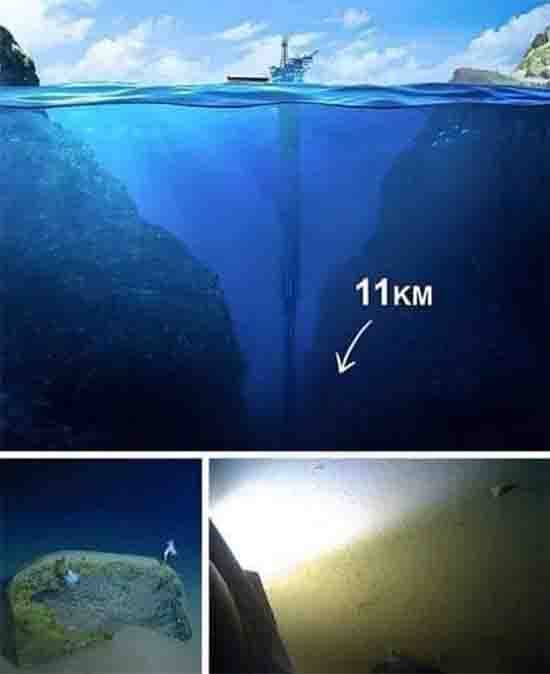
Unfortunately, plastic pollution poses a direct threat to these fragile ecosystems. Studies examining deep-sea debris have shown that marine animals frequently interact with plastic waste. Some become entangled in discarded materials, while others mistakenly consume plastic particles, believing them to be food.
These interactions can cause severe injuries, digestive blockages, starvation, and even death. As plastic continues to accumulate in deep-sea habitats, the long-term survival of many species may be placed at risk. The discovery of plastic in the Mariana Trench highlights how pollution can affect wildlife far beyond the areas where the waste originally entered the environment.
How plastic reaches the Mariana Trench
Many people wonder how a plastic bag could travel thousands of miles and sink nearly seven miles below the ocean's surface. The answer lies in the interconnected nature of Earth's waterways and oceans.
A significant portion of ocean plastic pollution originates on land. Improperly discarded plastic waste enters rivers, streams, and drainage systems before eventually reaching the sea. Research suggests that several major rivers flowing through densely populated regions contribute substantial amounts of plastic debris to the world's oceans.
Shipping activities also play a role. Waste discarded from transport vessels and maritime operations contributes directly to marine pollution. Additionally, abandoned fishing gear, including nets and ropes, represents a major source of ocean plastic.
Over time, ocean currents distribute plastic debris across vast distances. Some materials eventually become waterlogged and sink to the ocean floor. Through this gradual process, plastic waste can reach even the deepest parts of the ocean, including the Mariana Trench.
Why single-use plastics are a major concern
The plastic bag discovered in the trench belongs to a category known as single-use plastics. These products are designed for brief use but can persist in the environment for hundreds of years. Plastic bags, food packaging, bottles, and disposable containers are among the most common examples.
Research into deep-sea pollution has revealed that a large percentage of plastic debris found in remote ocean environments consists of single-use items. Their widespread use and improper disposal make them one of the biggest contributors to the global plastic pollution crisis.
The convenience of single-use plastics often masks their environmental cost. Once discarded, these items can travel great distances, contaminate ecosystems, and threaten wildlife. The presence of such products in the Mariana Trench demonstrates the lasting impact of everyday consumer choices.
Microplastics and chemical contamination
One of the most serious consequences of plastic pollution is the formation of microplastics. Unlike organic materials, plastic does not fully decompose. Instead, it gradually breaks down into increasingly smaller fragments through exposure to sunlight, waves, and physical abrasion.
These tiny particles can remain suspended in ocean waters for extended periods before settling on the seabed. Microplastics have now been detected throughout the marine environment, from coastal waters to deep-sea trenches.
As plastics degrade, they can release harmful chemical compounds into the surrounding environment. In addition, microplastics often absorb pollutants already present in seawater, creating a concentrated source of contamination. Marine organisms may ingest these particles, allowing pollutants to move through the food chain.
Scientists remain concerned about the long-term ecological effects of microplastic pollution, particularly in sensitive deep-sea ecosystems where recovery from environmental damage can take decades or even centuries.
Global efforts to reduce plastic pollution
Growing awareness of ocean pollution has led governments, businesses, and environmental organizations to implement measures aimed at reducing plastic waste. Many countries have introduced restrictions on single-use plastic bags and promoted reusable alternatives.
Recycling initiatives, improved waste management systems, and public education campaigns have also become important tools in addressing the problem. Companies are increasingly exploring sustainable packaging solutions designed to minimize environmental impact.
Individuals can contribute by reducing their reliance on disposable plastics, properly disposing of waste, supporting recycling programs, and choosing reusable products whenever possible. While these actions may seem small, collective efforts can significantly reduce the amount of plastic entering the environment.
The discovery of a plastic bag at nearly 35,000 feet deep in the Mariana Trench stands as one of the most powerful reminders of humanity’s environmental footprint. What was once considered an untouched wilderness has become evidence of a global pollution crisis that extends from city streets to the deepest ocean depths.
This alarming find underscores the urgent need to address plastic pollution through responsible consumption, better waste management, and stronger environmental policies. Protecting marine ecosystems requires cooperation from individuals, industries, and governments around the world. The plastic bag resting at the bottom of the Mariana Trench is more than a piece of litter—it is a warning that the consequences of human actions can reach farther than anyone once imagined.







Yorumlar
Kalan Karakter: