
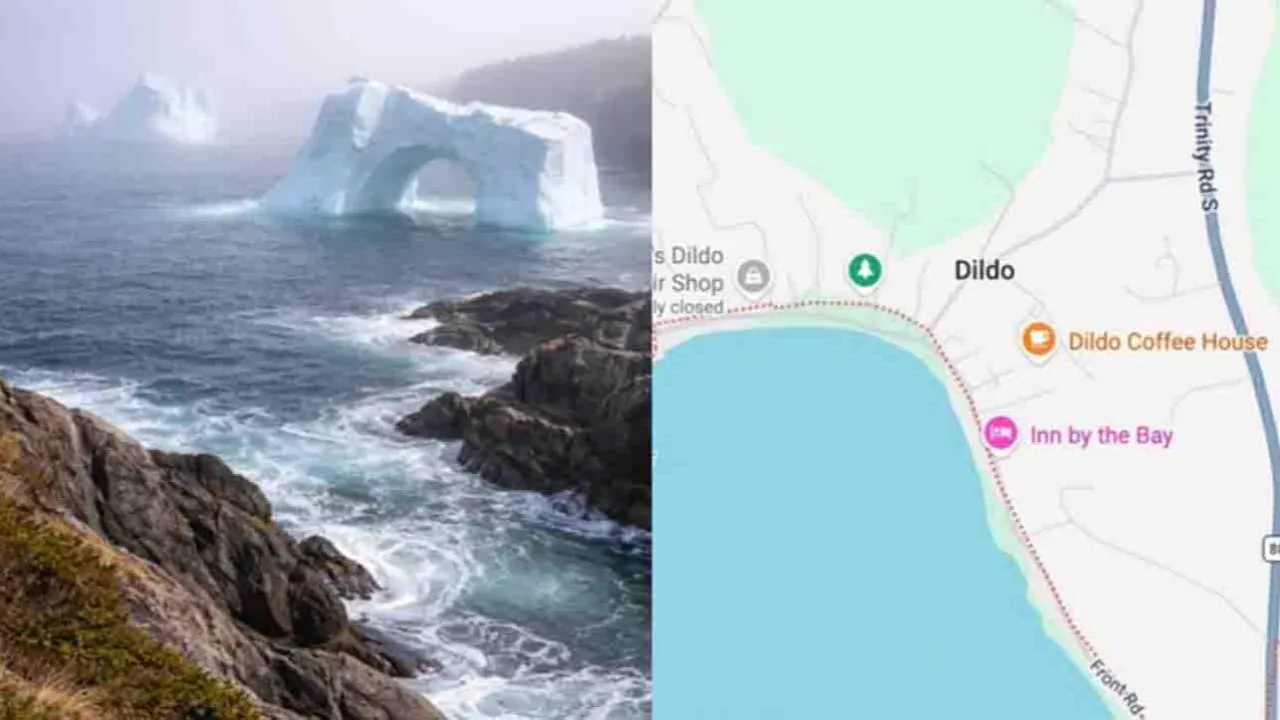
While many of these icy giants are admired for their size and beauty, one particular iceberg captured global attention for a completely unexpected reason. A remarkable photograph taken by Canadian drone photographer Ken Pretty transformed an ordinary iceberg sighting into an online phenomenon that millions of people could not stop talking about.
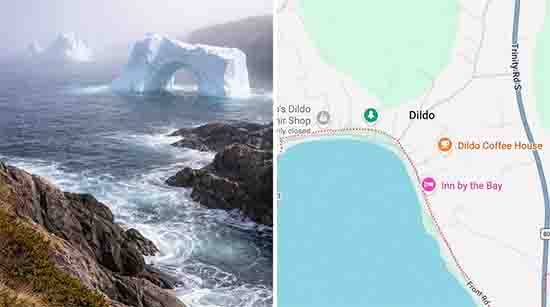
Its strangely amusing shape sparked endless jokes and quickly turned the frozen formation into a viral sensation. Nicknamed the “Dickie Berg,” the iceberg demonstrated that nature can be both breathtaking and surprisingly humorous. Beyond the laughter, however, the story shines a spotlight on Newfoundland’s famous iceberg season and the fascinating journey these frozen giants take every year. From internet fame to the science behind iceberg formation, this unusual natural wonder proves that the world still holds plenty of surprises.
The iceberg that became an internet sensation
During the 2023 iceberg season, photographer Ken Pretty captured an extraordinary image near Harbour Grace, Newfoundland. Using a drone, he photographed an iceberg whose unusual shape immediately caught his attention. The formation's appearance sparked widespread amusement and quickly spread across social media platforms.

What made the story even more entertaining for many people was that Pretty lives in Dildo, Newfoundland, a community whose name often attracts curiosity and jokes. Recognizing the humorous potential of the image, he affectionately called the iceberg the “Dickie Berg,” a nickname that helped fuel its popularity online.
Within a short period, the photograph was shared thousands of times, turning a local natural attraction into a global talking point.
Why social media users could not stop laughing
The internet responded exactly as many would expect. People flooded social media with witty comments and playful observations about the iceberg's shape. Some joked that the weather must not have been very cold, while others created puns and humorous captions that helped the image spread even further.
The combination of a naturally formed iceberg, the nickname given by the photographer, and the amusing location name associated with his hometown made the story irresistible to online audiences. Memes, reposts, and discussions appeared across numerous platforms, proving that unexpected moments from nature can captivate millions.
This unusual iceberg joined the long list of strange natural formations that have become internet legends because of their resemblance to familiar objects.
Newfoundland remains one of the best places for iceberg watching
Although the viral iceberg generated laughter around the world, it also reminded people why Newfoundland is one of the top destinations for iceberg enthusiasts. Every spring, hundreds of icebergs travel south from Greenland along what is commonly known as Iceberg Alley.
Ocean currents and favorable winds carry these enormous pieces of ancient ice toward the eastern coast of Canada. Many of them pass remarkably close to shore, giving residents and tourists incredible opportunities to observe and photograph these frozen wonders.
The annual iceberg season attracts visitors from around the world, contributing to local tourism and showcasing the natural beauty of Newfoundland. Some icebergs are massive and majestic, while others display unusual shapes created by years of exposure to waves, wind, and changing temperatures.
How icebergs develop unique shapes
Icebergs are constantly changing. After breaking away from glaciers, they begin a long journey through the ocean. Throughout this process, wind, sunlight, currents, and waves gradually reshape the ice.
Erosion affects different parts of an iceberg at varying rates, creating arches, pillars, caves, and sometimes formations that resemble everyday objects. This natural sculpting process means that no two icebergs are identical.
The famous “Dickie Berg” was simply another example of how unpredictable nature can be. What appeared amusing to people around the world was actually the result of countless environmental factors working together over time.
Scientists and photographers alike are fascinated by these changing formations because they provide insight into ocean conditions and the life cycle of glaciers.
The famous iceberg will not last forever
Like all icebergs, the internet-famous formation is only temporary. Warmer temperatures, ocean waves, and sunlight continuously wear away at the ice. Eventually, the structure that brought laughter to millions will melt and disappear into the sea.
This temporary nature is part of what makes iceberg watching so special. Each season brings new shapes, new stories, and entirely new opportunities to witness extraordinary creations that may never appear again.
Photographs and memories are often all that remain after these frozen sculptures complete their journey.
Nature continues to surprise the world
The story of Newfoundland's famous iceberg is a reminder that nature possesses an incredible ability to astonish people in unexpected ways. While glaciers, mountains, and oceans inspire awe through their power and beauty, they can also produce moments of lighthearted humor.
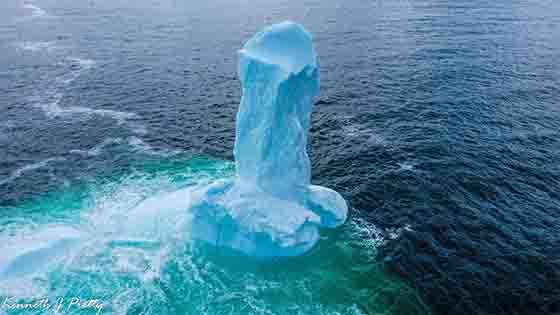
Ken Pretty's unforgettable photograph transformed a fleeting natural phenomenon into a worldwide sensation, proving that sometimes the most memorable wonders are the ones no one could possibly predict. As icebergs continue their annual migration through Iceberg Alley, there is little doubt that nature still has many surprises waiting beyond the horizon.







Yorumlar
Kalan Karakter: