
Rich in healthy fats, vitamins, minerals, antioxidants, and plant compounds, many nuts have been linked to better memory, improved cognitive performance, and reduced risk of age-related mental decline. Because of these benefits, nutrition experts frequently recommend adding nuts to a balanced daily diet.

However, not every nut product offers the same health advantages. The way nuts are processed, stored, flavored, or prepared can dramatically change their effects on the body and brain. Some varieties may contain excessive salt, damaged oils, harmful toxins, or dangerously high levels of certain minerals when consumed improperly. While moderate portions of high-quality nuts may help support long-term brain function, unhealthy versions can quietly contribute to inflammation, blood vessel damage, and cognitive stress over time.
Understanding which nuts support brain health and which forms should be limited can help people make smarter food choices. From walnuts and almonds to peanuts and Brazil nuts, each option comes with its own benefits and potential concerns.
Nuts and their connection to brain health
Researchers have spent years studying the relationship between nuts and cognitive function. Many studies suggest that people who regularly consume moderate amounts of nuts may experience slower cognitive decline as they age.
Nuts contain nutrients that are important for healthy brain function, including omega-3 fatty acids, vitamin E, magnesium, antioxidants, and healthy unsaturated fats. These compounds may help improve blood circulation, reduce inflammation, and protect brain cells from oxidative stress.
Healthy blood flow is especially important for the brain because brain tissue depends on a steady supply of oxygen and nutrients. Poor circulation and chronic inflammation are both associated with dementia and memory loss. This is one reason nuts are often included in brain-friendly eating plans such as the Mediterranean diet. However, the benefits depend heavily on choosing the right types of nuts and avoiding heavily processed varieties.
Peanuts and the hidden risk of aflatoxins
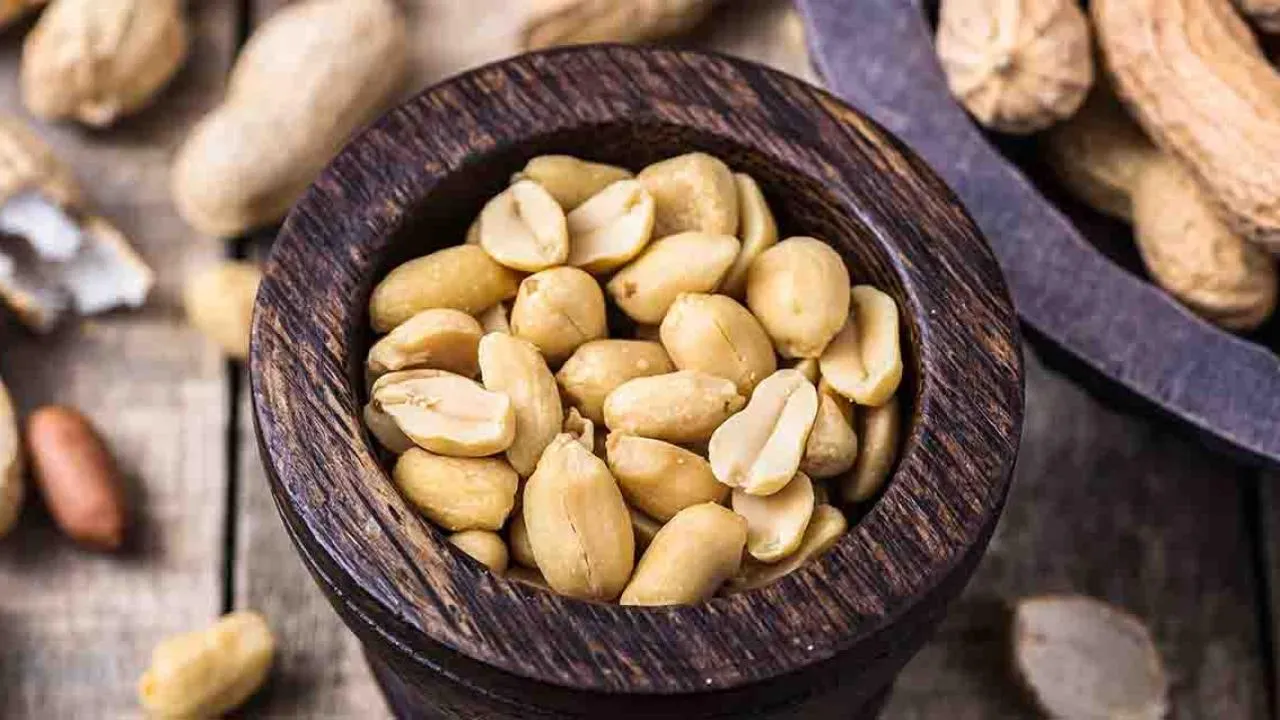
Peanuts are popular because they are affordable, filling, and high in protein. Although commonly grouped with nuts, peanuts are technically legumes. When fresh and properly stored, peanuts can be part of a healthy diet. The problem arises when peanuts are exposed to moisture and poor storage conditions.
Under certain conditions, peanuts can develop aflatoxins, toxic compounds produced by mold. Long-term exposure to aflatoxins has been linked to serious health concerns, including liver damage and potential neurological effects.
Research suggests that these toxins may contribute to inflammation and cellular stress within the body. Poor-quality peanuts or improperly stored peanut products may therefore pose health risks over time.
To reduce exposure, experts recommend purchasing peanuts and peanut butter from trusted manufacturers that follow food safety testing. Peanuts that smell musty, bitter, or stale should never be consumed.
Pistachios and the problem with excess salt
Pistachios are naturally rich in healthy fats, fiber, and antioxidants. In moderate amounts, they may support heart and brain health. The concern comes from heavily salted and flavored pistachio products.
Many packaged pistachios contain large amounts of sodium. Excessive salt intake can raise blood pressure, and chronic high blood pressure may damage delicate blood vessels in the brain. Over time, this may increase the risk of stroke and vascular dementia.
Highly processed pistachio snacks may also contain artificial flavorings and preservatives that reduce their nutritional quality. Eating large quantities while distracted by television or screens can make portion control difficult. Choosing plain or lightly salted pistachios is a much healthier option. Small servings can provide nutritional benefits without contributing to excessive sodium intake.
Fried nut mixes and damaged oils
Nut mixes sold in convenience stores or bars are often deep-fried and coated with oils, salt, sugar, and flavor enhancers. While nuts themselves contain beneficial fats, repeatedly heated oils can create oxidized compounds that may increase inflammation in the body.
Oxidative stress and chronic inflammation are both strongly linked to cognitive decline and neurodegenerative diseases. Fried nut products may therefore counteract some of the natural health benefits nuts normally provide.
Cashews are one example of a healthy nut that can become less beneficial when heavily processed. Plain cashews can support wellness, but fried and flavored versions may expose the body to unhealthy fats and excessive calories. Experts recommend choosing raw or dry-roasted nuts whenever possible to preserve their nutritional value.
Brazil nuts and the selenium overload risk
Brazil nuts are famous for their extremely high selenium content. Selenium is an important mineral that supports antioxidant defenses and immune function. In small amounts, it may help protect cells from damage.
However, consuming too many Brazil nuts regularly can lead to excessive selenium intake. Unlike many nutrients, selenium has a narrow safe range between beneficial and harmful levels.
Too much selenium may contribute to symptoms such as brittle nails, hair loss, digestive discomfort, fatigue, and nerve-related issues. In severe cases, selenium toxicity can affect the heart and kidneys. Most adults only need one or two Brazil nuts occasionally to meet their selenium needs. Eating large amounts daily is not recommended.
Walnuts and their brain-protective nutrients
Walnuts are considered one of the best nuts for brain health. They are especially rich in alpha-linolenic acid, a plant-based omega-3 fatty acid associated with reduced inflammation and healthier blood vessels.
Walnuts also contain antioxidants and plant compounds that may help protect brain cells from oxidative stress. Several studies have linked walnut consumption with better cognitive performance and slower mental decline in older adults.
Because walnuts contain delicate healthy fats, they should be stored properly to prevent rancidity. Keeping them in airtight containers in cool environments helps preserve freshness. Adding a small handful of walnuts to oatmeal, salads, or yogurt can be an easy way to support long-term brain health naturally.
Almonds and hazelnuts for cognitive support
Almonds and hazelnuts are excellent sources of vitamin E, a nutrient associated with protecting brain cells from oxidative damage. Some research suggests that higher vitamin E intake may help support memory and cognitive performance during aging.
These nuts also provide healthy fats, fiber, and minerals that contribute to stable energy levels and improved cardiovascular health. Since heart health and brain health are closely connected, these benefits may indirectly support cognitive function.Unsalted almonds and hazelnuts make convenient snacks that can fit easily into balanced eating habits.
How to build a brain-friendly nut habit
Research consistently suggests that moderation is the key to getting the benefits of nuts without unwanted risks. Most studies point toward about one small handful of nuts per day as a healthy amount for most adults.
Focusing on plain, unsalted, and minimally processed nuts is important. Walnuts, almonds, hazelnuts, pecans, and lightly salted pistachios are among the best options for supporting brain health. Proper storage also matters. Nuts should be kept away from heat and moisture to reduce the risk of mold, rancidity, and nutrient loss.
Combined with regular exercise, healthy sleep, stress management, and a balanced diet rich in whole foods, nuts can become a valuable part of a long-term strategy for protecting memory and cognitive function as people age.







Yorumlar
Kalan Karakter: