
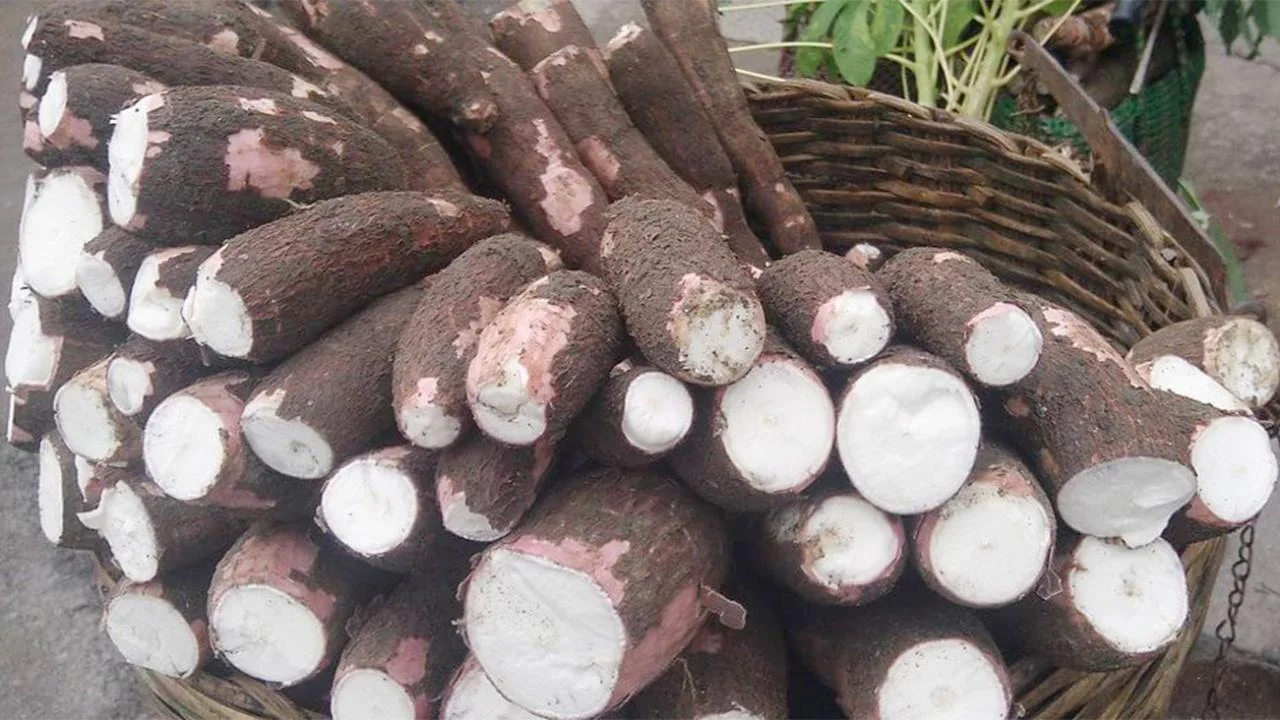
From Brazilian street snacks to Nigerian family meals, this versatile root is a cultural and nutritional pillar. Yet few people outside cassava-growing regions realize that the plant has a hidden side: when handled incorrectly, it can release cyanide. This natural toxin has been responsible for outbreaks of poisoning, episodes of paralysis, and the development of a neurological condition known as konzo. Despite this alarming potential, cassava remains perfectly safe when processed traditionally. The key is understanding why the root contains toxins in the first place and how simple, long-established methods can eliminate the risk completely. This article explores the science, the dangers, and the safe preparation methods that allow cassava to remain a trusted food worldwide.
Why cassava contains natural toxins
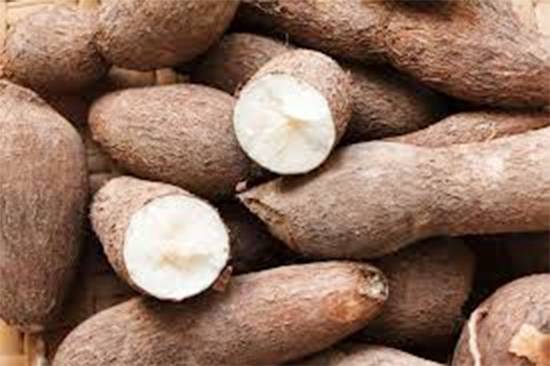
This is why eating raw cassava is unsafe. Traditionally, cultures that rely on cassava developed methods like soaking, fermenting, and prolonged cooking to neutralize these toxins. These techniques break down the compounds responsible for cyanide formation, making the root completely safe when handled properly. Understanding this biological process is essential because it explains why cassava must never be eaten raw and why certain preparation steps are non-negotiable.
Why cassava poisonings still occur
Despite cassava's long history as a safe and reliable food, outbreaks of poisoning continue to occur in regions facing economic or environmental hardship. These situations often involve limited access to clean water, shorter soaking times due to hunger, or harvesting the root before it fully matures. In times of drought, conflict, or famine, communities may depend almost entirely on cassava for calories and feel pressured to skip traditional detoxification steps. Diets extremely low in protein can also worsen the effects of cyanide exposure since protein helps the body neutralize small amounts of cyanide naturally. These interconnected factors highlight that cassava poisonings are not caused by the food itself but by the circumstances that force people to rush preparation or rely heavily on a single staple.
How konzo develops in vulnerable communities
Konzo is a neurological disease linked to frequent consumption of insufficiently processed cassava combined with protein-poor diets. The condition appears suddenly, usually affecting children and women, and causes stiffness, weakness, and difficulty walking. In severe cases, the damage can be lifelong. Konzo tends to emerge in regions experiencing drought or displacement, where households depend on cassava as an emergency food source and have little access to alternative nutrients. The underlying mechanism involves cyanide damaging nerve pathways, especially those responsible for motor control. Although the disease can be devastating, it is entirely preventable through proper cassava processing and adequate nutrition. The connection between konzo and poverty underscores the importance of food security and education about safe preparation methods.
Traditional methods that make cassava safe
Cassava becomes completely safe to eat when it is processed using time-tested traditional techniques. The first and most important step is peeling, since a significant portion of the toxins are found in or just beneath the skin. A thorough peel removes this outer layer. Next, the root should be soaked or fermented for 24 to 48 hours in clean water. In places like Northern Brazil, this technique is used to create farinha d’água, a popular cassava flour.
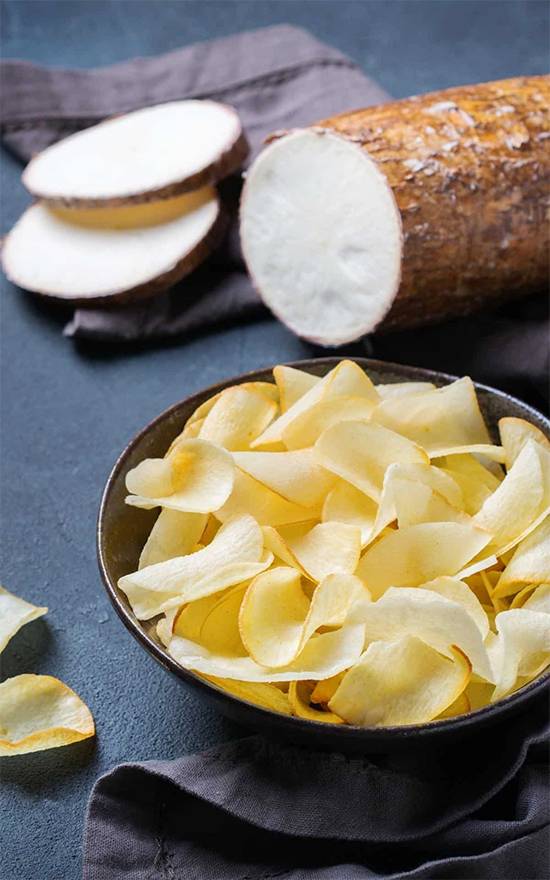
Fermentation breaks down cyanogenic compounds naturally. Boiling is another essential step. Cooking cassava for at least 20 minutes ensures harmful substances are neutralized. Finally, pairing cassava with protein-rich foods such as fish, beans, eggs, or meat allows the body to process any remaining traces of natural toxins safely. These simple but essential practices turn cassava from a potentially dangerous raw ingredient into a nourishing and dependable food source.
When cassava becomes a real threat
Cassava only becomes dangerous when proper preparation cannot be followed. This typically happens during extreme conditions such as famine, severe poverty, prolonged drought, or displacement due to conflict. In these situations, families might harvest roots prematurely, skip fermentation, or shorten soaking times to stretch food supplies. Without access to clean water or fuel for cooking, detoxification becomes even more difficult. However, in communities where traditional cassava knowledge has been passed down and maintained, poisoning cases remain incredibly rare. The dangers arise not from cassava itself but from the erosion of food preparation traditions and a lack of resources during emergencies.
The nutritional and cultural value of cassava
When prepared correctly, cassava transforms from a risky raw root into a nutritious, versatile, and culturally significant food. It provides complex carbohydrates, is naturally gluten-free, and is easy to digest, making it suitable for a wide range of diets. Cassava flour is used in breads, cakes, and porridges, while the cooked root features in stews, stir-fries, and savory snacks. For many families, cassava is not just food but heritage, connecting generations through culinary traditions. Its resilience as a crop allows it to grow in challenging climates, making it a critical source of food security in many countries.
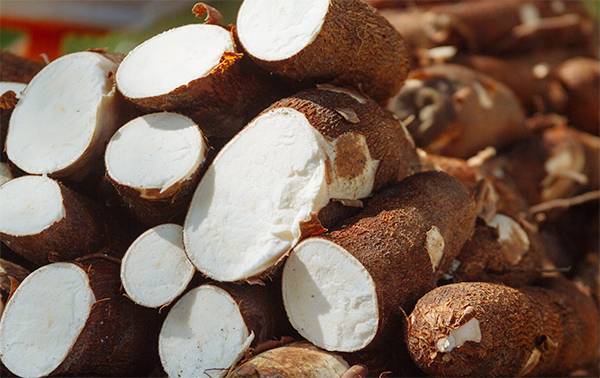
Cassava’s reputation as a potentially dangerous food stems not from the plant itself but from the loss of preparation knowledge and the hardships that lead people to cut corners. With proper peeling, soaking, fermenting, and boiling, cassava becomes a completely safe, delicious, and essential part of global cuisine. Tradition and science work together to ensure that this humble root continues to nourish millions without risk.





Yorumlar
Kalan Karakter: